By Lindsay Powers | Nutritional Therapist & Health Writer, Naturally Healthy News
Published: August 2026 | Last reviewed: August 2026
Our fibremaxxing guide touched on why fibre keeps you full, but it’s one line in a much bigger article, and the mechanism behind it deserves more than a line. Fibre isn’t just filling your stomach up. It’s changing your digestion speed, your gut hormones and, potentially, your gut bacteria, all in ways that add up to feeling satisfied for longer after you eat.
This piece is the deep dive: the actual biology behind fibre and fullness, which types of fibre do the heavy lifting, and how it stacks up against protein, the other big player in the appetite game.
Quick Summary
- The fullness effect comes mainly from viscous, gel-forming fibre, not fibre in general
- Soluble fibre directly changes appetite hormones like GLP-1 and PYY, not just digestion speed
- Fermentable fibre feeds gut bacteria that produce short-chain fatty acids, a fullness pathway still being studied
- Insoluble fibre (wheat bran, vegetable skins) has much weaker evidence for fullness than soluble, viscous types
- Fibre and protein work through different mechanisms, more effective for fullness combined than either alone
- Glucomannan can genuinely reduce hunger ratings in trials, but that hasn’t reliably translated into significant weight loss
The Short Version: It’s the Gel, Not the Grams
Not all fibre affects appetite the same way, and the difference isn’t really about how much you eat. It’s about what a specific type of fibre does once it hits water. Soluble, viscous fibre, the kind found in oats, psyllium husk, beans and konjac root, absorbs water and forms a thick gel in your gut. That gel is doing most of the work behind fibre’s reputation for keeping you full, and it’s worth understanding exactly how.
How Does Viscous Fibre Slow Digestion?
A systematic review of randomised controlled trials found that dietary fibre reduces subjective appetite and energy intake, with the effect concentrated in viscous fibre types rather than fibre generally [1]. The mechanism is mechanical as much as biochemical. The gel that viscous fibre forms thickens the contents of your stomach and small intestine, which slows gastric emptying, the rate at which food moves out of your stomach. A second systematic review reached a similar conclusion, that fibre’s effect on satiety and food intake is real but depends heavily on fibre type, dose and viscosity, not fibre content alone [2]. In practical terms, food stays in your stomach longer and stretch receptors keep signalling to your brain for longer. The release of glucose into your bloodstream slows down too, which helps avoid the energy dip that can trigger hunger an hour or two after eating.
Fibre’s Direct Effect on Your Appetite Hormones
Beyond the mechanical slowdown, fibre appears to directly influence the hormones that tell your brain you’re full, including GLP-1 and PYY, two hormones released in your gut after eating that signal fullness to your brain. A randomised trial found that soluble fibre taken with a meal reduced hunger ratings and increased levels of satiety-related hormones compared with a control meal [3]. Separately, a trial using a viscous fibre blend found it improved subjective appetite ratings, meaning people genuinely reported feeling fuller, in overweight and obese women when taken with a meal [4]. This is a real, measurable hormonal effect, not just food physically sitting in your stomach for longer.
The Gut Bacteria Angle: Fermentation and Short-Chain Fatty Acids
Fibre that isn’t broken down in your small intestine reaches your colon, where gut bacteria ferment it into short-chain fatty acids (SCFAs), compounds like butyrate, propionate and acetate. A review of the evidence found SCFAs appear to play a genuine role in appetite regulation, potentially stimulating the same GLP-1 and PYY pathways involved in fullness [5]. Colonic fermentation is a well-established source of these compounds [6]. This pathway is still being studied, and the exact size of its contribution to day-to-day fullness isn’t settled. But it’s a plausible, additional route through which fibre, particularly the fermentable kind, may support satiety beyond the gel effect alone.
Not All Fibre Works the Same Way
This is the nuance worth remembering: insoluble fibre, the kind in wheat bran and vegetable skins, is genuinely valuable for digestive regularity, but it has much weaker evidence behind it for this specific fullness effect. If your goal is appetite control rather than general fibre intake, viscosity is what to look for. Our fibremaxxing guide covers the full breakdown of fibre types and how to increase your intake without overdoing it too quickly, worth reading alongside this if you haven’t already.
The Best Fibre Sources for Fullness
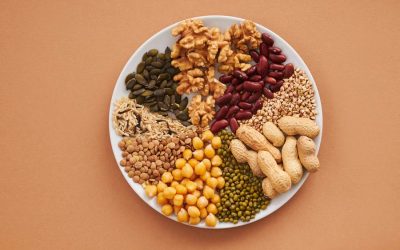
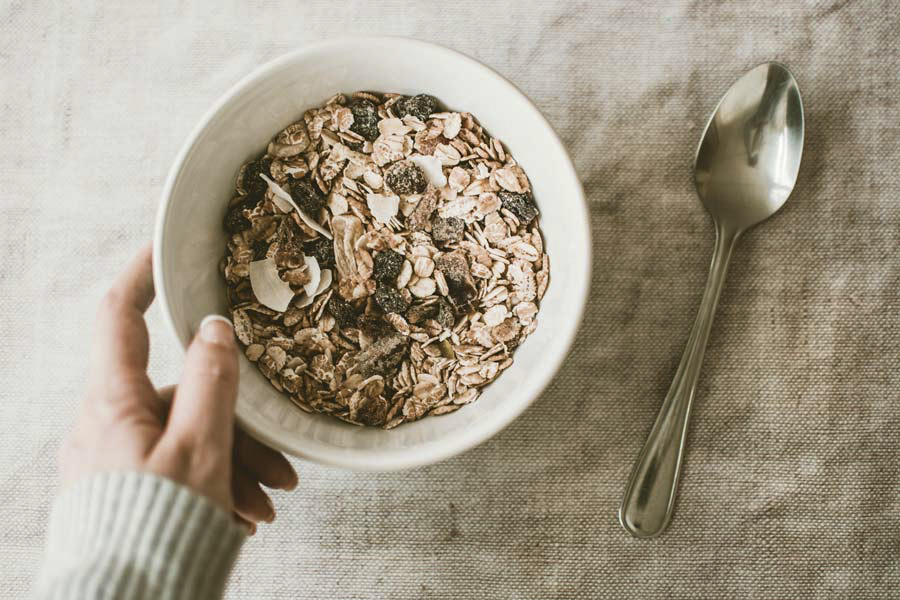
Oats, psyllium husk, beans, lentils and konjac (the root used to make glucomannan and shirataki noodles) are among the best-studied sources of viscous, gel-forming fibre. Shirataki or konjac noodles are now widely sold in UK supermarkets and health food shops, not just specialist or online retailers, so they’re an easy one to actually pick up. A bowl of porridge, a bean-based meal, or a psyllium husk drink taken before eating are all practical, food-first ways to bring this mechanism into a normal day, rather than relying on any single supplement.
What About Fibre Supplements Like Glucomannan?
Glucomannan is one of the most viscous fibres available and has genuine trial evidence behind the appetite-ratings effect described above [4]. But a systematic review and meta-analysis of glucomannan supplementation for weight management found no statistically significant weight loss compared with placebo, despite the appetite effect [7]. Those two findings aren’t contradictory, they’re answering different questions. Glucomannan can genuinely make you feel fuller in the short term, but feeling fuller hasn’t reliably translated into people eating enough less, consistently enough, to show up as significant weight loss in trials. Treat a fullness effect and a weight-loss effect as two separate claims, because the evidence does.
Fibre and Protein: Why They Work Better Together
Fibre and protein reach a similar destination, feeling fuller for longer, through different routes. It works mainly through gel formation, slowed digestion and gut hormone signalling. Protein works through its own hormonal effects and a higher thermic cost to digest, it takes your body more energy to break protein down than fat or carbohydrate, which itself uses up some of the calories you’ve eaten. Our protein and fullness article covers that mechanism in full, and notes the same thing from the other direction: protein and fibre work synergistically. A meal that combines both, oats with nut butter, or beans with a protein source, tends to outperform either eaten alone.
Who Should Be Careful With High Fibre Intake?
- If you increase your fibre intake quickly, since sudden increases commonly cause bloating, gas and cramping
- If you have IBS or another diagnosed digestive condition, since high-viscosity fibre can worsen symptoms for some people and needs individual tailoring
- If you take medication, since fibre supplements can slow or reduce the absorption of some drugs taken around the same time
- If you don’t increase your water intake alongside fibre, since viscous fibre needs fluid to form its gel properly, and too little water can have the opposite effect and cause constipation
Increase fibre gradually, spread it across meals, and drink enough water. If in doubt, check with your GP or a registered dietitian, especially if you have an existing digestive condition.
Frequently Asked Questions
Why do I feel hungry again so soon after some meals?
A meal that’s low in fibre and protein digests quickly, so blood sugar rises and falls faster and satiety hormones don’t get much of a chance to signal fullness before hunger returns. Our hunger causes article covers the wider picture, including sleep and stress, but the fibre and protein content of the meal itself is one of the biggest levers you have.
Does fibre work as well as protein for keeping you full?
They work through different mechanisms and both have real evidence behind them, so it isn’t really a competition. Fibre’s strength is the physical gel effect and hormone signalling described above, while protein’s strength is its own hormonal effect and how much energy your body spends digesting it. The best-supported approach is combining both in a meal rather than relying on either alone.
How much fibre do I actually need for this effect?
The UK target is 30g of fibre a day, and most people currently fall well short of that. For the fullness effect specifically, aim to get a meaningful share of that from soluble, viscous sources, oats, psyllium, beans, lentils and konjac, rather than fibre in general. Spread your intake across meals rather than front-loading it into one.
Can too much fibre backfire?
Yes. Increasing fibre too quickly is one of the most common reasons people give up on it, since bloating, gas and cramping can make eating uncomfortable rather than satisfying. Build up gradually over a couple of weeks and make sure your water intake goes up alongside it.
Final Thoughts
Fibre keeping you full isn’t a vague wellness claim. It’s a specific, mechanistic effect with real trial evidence behind it: a physical gel that slows digestion, a genuine change in your appetite hormones, and a plausible extra contribution from your gut bacteria. The type of fibre matters more than the amount, viscous and soluble sources are doing almost all the work here, and pairing them with protein is where the evidence points for the best result. That’s a much more useful takeaway than “eat more fibre”, and it’s the piece our fibremaxxing guide didn’t have room to cover.
References
[1] PubMed 21676152: Effects of Dietary Fibre on Subjective Appetite, Energy Intake and Body Weight: A Systematic Review of Randomized Controlled Trials (Wanders et al., Obesity Reviews, 2011). https://pubmed.ncbi.nlm.nih.gov/21676152/
[2] PubMed 23885994: The Effect of Fiber on Satiety and Food Intake: A Systematic Review (Clark & Slavin, Journal of the American College of Nutrition, 2013). https://pubmed.ncbi.nlm.nih.gov/23885994/
[3] PubMed 25823991: Soluble Dietary Fiber (Fibersol-2) Decreased Hunger and Increased Satiety Hormones in Humans When Ingested With a Meal (Ye et al., Nutrition, 2015). https://pubmed.ncbi.nlm.nih.gov/25823991/
[4] PubMed 23154443: Effect of PGX, a Novel Functional Fibre Supplement, on Subjective Ratings of Appetite in Overweight and Obese Women Consumed with a Meal (Kacinik et al., Nutrition & Diabetes, 2011). https://pubmed.ncbi.nlm.nih.gov/23154443/
[5] PubMed 25971927: The Role of Short Chain Fatty Acids in Appetite Regulation and Energy Homeostasis (Byrne et al., International Journal of Obesity, 2015). https://pubmed.ncbi.nlm.nih.gov/25971927/
[6] PubMed 16633129: Colonic Health: Fermentation and Short Chain Fatty Acids (Wong et al., Journal of Clinical Gastroenterology, 2006). https://pubmed.ncbi.nlm.nih.gov/16633129/
[7] PubMed 24533610: The Efficacy of Glucomannan Supplementation in Overweight and Obesity: A Systematic Review and Meta-Analysis (Onakpoya et al., Journal of the American College of Nutrition, 2014). https://pubmed.ncbi.nlm.nih.gov/24533610/
Disclaimer: The information in this article is intended for general informational purposes only and does not constitute medical advice. It is not a substitute for professional medical advice, diagnosis, or treatment. Always seek the advice of your GP or a qualified healthcare provider with any questions you may have regarding a medical condition. Never disregard professional medical advice or delay seeking it because of something you have read here.