
Last week, we talked about why the immune system does not technically work in a way that can be “boosted,” and why balance and regulation are more accurate descriptions of healthy immune function. I also heard from a reader who shared a different perspective. As someone who is immunocompromised, they said they genuinely feel a boost when their intake of immune-supporting nutrients improves.
That experience is completely valid and highlights how language matters. Many people use the word ‘boost’ to describe feeling much better quickly. From a lived experience point of view, that makes sense.
However, biologically, what is usually happening is not overstimulation, but support. Restoring nutrients such as vitamins D & C, zinc or omega-3 helps immune cells function more effectively when they may have been previously under supported. Moving closer to balance can feel like a boost, especially from a lower baseline.
This is why there is never a one-size-fits-all approach. Immune needs vary, but the principle remains the same. The immune system works best when the internal terrain supports it properly.
And one of the biggest factors quietly undermining that terrain in winter is ultra-processed food. This week, we take a closer look at why this happens and what you can do about it.
Why Winter Changes How We Eat
The first reason is biological. As temperatures drop, appetite hormones shift. Ghrelin rises (your hunger hormone), cravings intensify and the brain becomes more responsive to calorie-dense foods. UPFs exploit this change. Their mix of sugar, processed fats and flavour enhancers makes them far more rewarding than natural foods, encouraging overeating just when the body is working harder to stay balanced.
The second reason is immune regulation. UPFs are not infectious, but they create an internal environment that makes immune balance harder to maintain. Emulsifiers can disrupt the gut lining. Industrial oils promote oxidative stress and inflammation. High sugar intake can suppress immune cell activity for hours after a meal.
The third reason is behavioural. Winter brings shorter days, disrupted routines and lower motivation. UPFs step neatly into that gap. They are convenient, comforting and require little or no preparation. Over time, they become the default choice.
The result is a perfect winter trap. Cravings rise, energy dips and resilience falls, often without people realising why.
When the Diet Is Less Than Perfect
When the diet becomes less than perfect, a few targeted nutrients can offer helpful support. Omega-3 is especially valuable because it helps counterbalance the inflammatory effects of processed foods and supports overall metabolic health. If you would like to know why krill oil is my go-to source of Omega-3, you can read more here: Krill Oil vs Fish Oil. The Ultimate Omega 3 Comparison
Alongside Omega-3, a good quality multivitamin can help cover nutritional gaps when meals are less consistent. Digestive enzymes and probiotics can also be helpful when food becomes heavier or more irregular, supporting gut balance at a time when it is often under strain.
Simple Festive Snacks That Help
A few small swaps can make festive eating feel lighter without taking away the enjoyment.
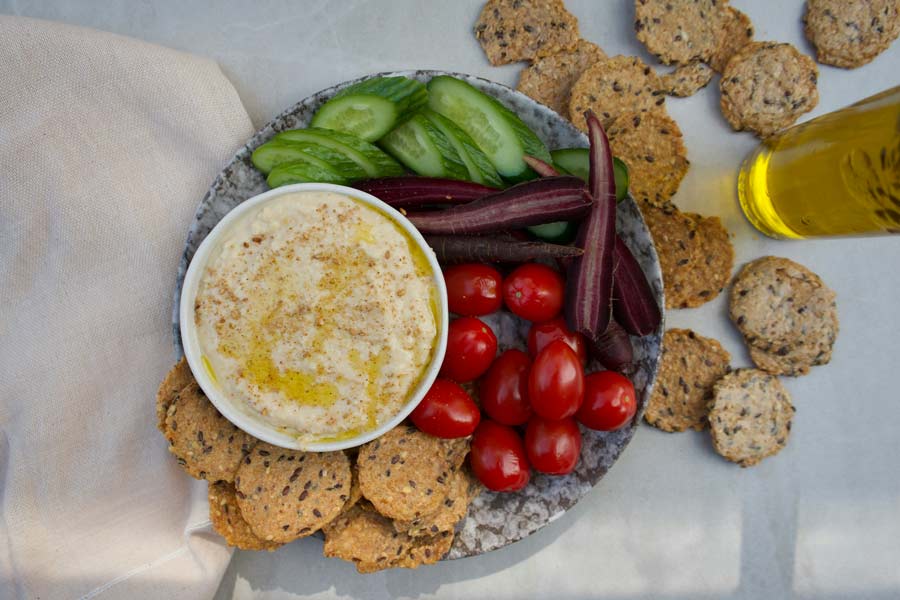
- Vegetable crudités with hummus or guacamole add fibre and colour.
- Homemade spiced nuts offer warmth and healthy fats without additives.
- Dark chocolate with fruit satisfies sweetness without excess sugar.
These options are easy to share and help counterbalance richer foods.
Ultra-processed foods are designed to override natural signals and winter can amplify their effects. However, when you understand what is happening beneath the surface, it is easier to make choices that support your energy and resilience.
If you’d like more ideas for healthy festive eating while staying balanced this season, you can read more here: Navigating Holiday Parties – 5 Healthy Tips for Festive Eating