
By Lindsay Powers | Nutritional Therapist & Health Writer, Naturally Healthy News
Published: October 2024 | Last reviewed: August 2026
When it comes to choosing an omega-3 supplement, krill oil and fish oil are the two most commonly compared options. Both provide the essential omega-3 fatty acids EPA and DHA, but they differ in molecular structure, absorption, and what else comes packaged alongside the omega-3s themselves.
This comparison looks at the evidence behind bioavailability, antioxidant content, sustainability, and where the research is more limited than marketing claims sometimes suggest.
Quick Summary
- Fish oil binds omega-3s to triglycerides; krill oil binds them to phospholipids, the same structure found in cell membranes
- Some bioavailability studies suggest krill oil can match fish oil’s effects at a lower EPA and DHA dose
- Krill oil naturally contains astaxanthin, an antioxidant not found in standard fish oil
- Krill is generally considered a more sustainable source than some fish oil species, with lower contaminant risk
- Neither option is universally ‘better’; the right choice depends on dose, budget and individual priorities
Structural Differences: Phospholipids vs. Triglycerides
One of the fundamental differences between krill oil and fish oil lies in the structure of their omega-3 fatty acids. In fish oil, omega-3s are stored in triglycerides, whereas in krill oil, they are bound to phospholipids. This structural variation affects how the body absorbs and uses these omega-3s.
Fish oil’s triglyceride-bound omega-3s go through a digestive process before absorption, which is often the cause of the well-known “fish burps.” Krill oil’s phospholipid-bound omega-3s are, according to some research, absorbed somewhat differently by the body’s cells. A 2011 study comparing krill oil to fish oil found participants taking a lower dose of krill oil (543mg combined EPA and DHA) achieved metabolic effects, including plasma omega-3 levels, broadly similar to those taking a higher dose of fish oil (864mg). [1]
Bioavailability: Why Absorption Matters
Bioavailability is a key factor in comparing krill oil and fish oil. Because of its phospholipid structure, some research suggests krill oil may be absorbed somewhat differently into cells than fish oil, which is processed via a different digestive route.
A small (45-participant), male-only trial funded by a krill oil manufacturer found that 12 weeks of krill oil supplementation was associated with changes in markers of cognitive function in elderly men, using near-infrared spectroscopy and EEG measurements, an effect not seen with a triglyceride-based comparison oil in the same study. Given the small sample size and funding source, this is an interesting early finding rather than settled evidence. [2]
Krill oil is also naturally rich in choline, a nutrient that supports brain function and cellular health, aiding neurotransmitter production and helping maintain cell membrane structure.
Astaxanthin: Krill Oil’s Antioxidant Advantage
A notable advantage krill oil has over fish oil is its natural astaxanthin content, a carotenoid antioxidant that also gives krill oil its distinctive red colour. Astaxanthin helps protect the omega-3s within krill oil from oxidation, reducing the need for added preservatives such as vitamin E, which is more commonly required in fish oil.
Astaxanthin has its own separate body of research. A 2018 review in Nutrients summarised evidence from a range of studies suggesting astaxanthin supplementation may support skin hydration, elasticity and the appearance of fine lines, though this reflects a synthesis of other trials rather than new data collected by the review’s own authors. [3]
Sustainability: Why Krill Oil Is Often Considered More Eco-Friendly
Krill harvesting is regulated and monitored to limit disruption to the marine ecosystem. Krill is one of the most abundant species on the planet by biomass, which is generally considered to make it a more sustainable omega-3 source than some fish populations used for fish oil, such as anchovies and sardines, which face greater overfishing pressure.
Because krill sit near the bottom of the marine food chain, they also tend to accumulate fewer toxins such as mercury and PCBs than larger predatory fish, which is a genuine advantage of krill oil as a cleaner omega-3 source.
Concentration of Omega-3s: Quantity vs. Quality
Fish oil often contains a higher concentration of EPA and DHA per serving than krill oil. On its own, this doesn’t necessarily mean fish oil is more effective; if krill oil’s absorption profile does differ meaningfully from fish oil’s, as some of the research above suggests, the body may make comparatively efficient use of a lower total omega-3 content.
Some research has also looked at krill oil’s effects on blood lipids compared with fish oil at different doses, though findings on markers like LDL cholesterol and triglycerides have been mixed across studies and shouldn’t be read as krill oil being conclusively superior on this specific measure.
Conclusion: Krill Oil or Fish Oil?
Both krill oil and fish oil offer a genuine source of EPA and DHA, and both have research supporting their use. Krill oil’s phospholipid structure, natural astaxanthin content, and generally favourable sustainability profile make it an appealing option, particularly for anyone wanting a lower total omega-3 dose or the added antioxidant content. Fish oil remains a well-established, typically less expensive way to get a higher concentration of omega-3s per capsule.
For anyone optimising their omega-3 intake, protecting heart, brain and joint health, and factoring in sustainable sourcing, krill oil is a reasonable, evidence-informed choice, though not one with dramatically stronger proof of superiority than the marketing around it sometimes implies.
Frequently Asked Questions
Is krill oil really better absorbed than fish oil?
Some bioavailability studies suggest krill oil’s phospholipid-bound omega-3s may be used somewhat differently by the body, allowing comparable effects at a lower dose in certain trials. This isn’t settled across all research, and the picture varies by which specific outcome is being measured.
Does krill oil have any advantages fish oil doesn’t?
Krill oil naturally contains astaxanthin, an antioxidant not found in fish oil, along with choline. These are genuine compositional differences, though the added benefit they provide beyond the omega-3 content itself is still an active area of research.
Is krill oil more sustainable than fish oil?
Generally, yes. Krill is highly abundant and its harvesting is regulated, and krill sit lower on the marine food chain, meaning less contaminant accumulation. This makes krill oil a reasonable choice for anyone prioritising sustainability, though sourcing practices vary by brand for both krill and fish oil.
Can I take krill oil and fish oil together?
There’s no established reason not to, though most people choose one as their main omega-3 source rather than combining both. If considering either alongside prescription medication, check with a GP or pharmacist first.
References
Disclaimer: The information in this article is intended for general informational purposes only and does not constitute medical advice. It is not a substitute for professional medical advice, diagnosis, or treatment. Always seek the advice of your GP or a qualified healthcare provider with any questions you may have regarding a medical condition. Never disregard professional medical advice or delay seeking it because of something you have read here.
Our Recommendations
Naturally Healthy News is part of the Good Health Naturally family of brands.
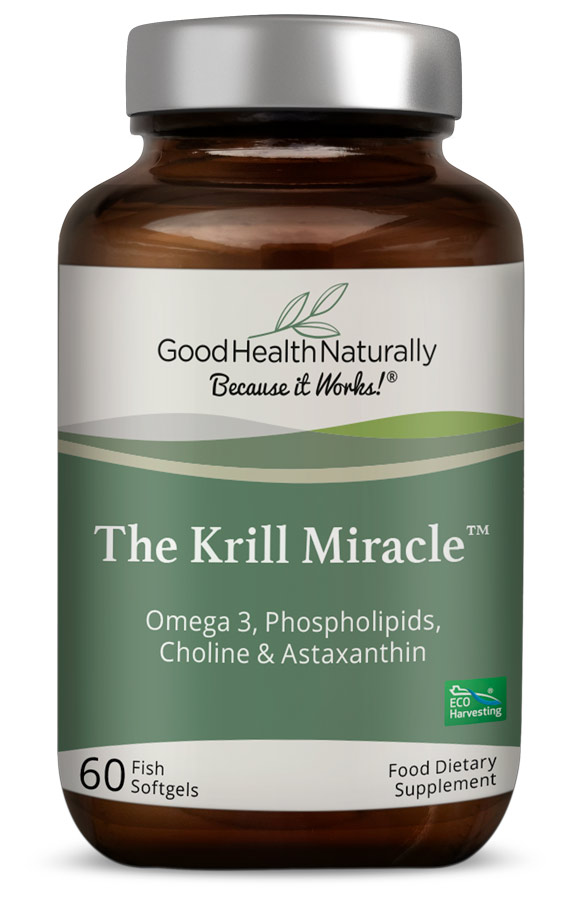
The Krill Miracle is a phospholipid-bound krill oil supplement, the form of omega-3 discussed throughout this article, available from Good Health Naturally.