By Lindsay Powers | Nutritional Therapist & Health Writer, Naturally Healthy News
Published: September 2025 | Last reviewed: August 2026
Weight loss is widely celebrated for its health benefits, but a frequently overlooked challenge is muscle loss. Rapid reductions in body weight, whether through diet or medications such as GLP-1 receptor agonists like semaglutide (Ozempic, Wegovy) or tirzepatide (Mounjaro, Zepbound), often come with a decline in lean muscle tissue. Losing muscle can slow metabolism, decrease physical strength, and compromise long-term health, particularly in older adults or those on aggressive weight-loss programmes.
A growing body of research is looking at whether krill oil can help preserve lean tissue during weight loss. The evidence so far comes from two distinct areas of research, one using an alternate-day fasting model, the other looking at supplementation in older adults, neither of which has directly tested krill oil alongside GLP-1 medication specifically. The connection to GLP-1 use is a reasonable, well-explained hypothesis rather than something tested directly, and this article is clear about which is which.
Quick Summary
- A meaningful share of weight lost on GLP-1 medications and calorie restriction can come from lean muscle, not just fat
- An 8-week randomised trial using alternate-day fasting found krill oil reduced the loss of muscle mass and grip strength compared with placebo
- A separate 6-month trial in older adults found krill oil supplementation alone improved muscle strength and thickness
- Neither trial tested krill oil specifically alongside GLP-1 medication; that connection is a reasoned hypothesis, not direct evidence
- Krill oil works best alongside adequate protein and resistance training, not as a standalone fix
The Importance of Muscle Preservation
Muscle plays a vital role beyond aesthetics; it is central to metabolic health, mobility, and overall vitality. Lean muscle tissue contributes to basal metabolic rate, supports insulin sensitivity, and is essential for maintaining independence as we age. When muscle is lost during weight reduction, individuals may experience slower metabolism, reduced strength, and increased risk of frailty and sarcopenia, the age-related decline in muscle mass.
Preserving muscle during weight loss is therefore important, not only for maintaining physical function but also for long-term health outcomes.
This is particularly relevant for older adults and anyone undergoing calorie-restricted diets or using GLP-1 medications that accelerate fat loss, as the risk of lean tissue loss is higher in these populations.
GLP-1 Medications and Muscle Loss
GLP-1 receptor agonists, such as semaglutide (Ozempic, Wegovy) or tirzepatide (Mounjaro, Zepbound), have become a widely used tool for weight management due to their ability to reduce appetite, slow gastric emptying, and improve blood sugar regulation. These drugs have demonstrated substantial fat-loss results in clinical trials.
However, body composition substudies of the major trials indicate that a notable portion of the weight lost, in some analyses up to around 40%, can be lean mass rather than fat. A 2024 review synthesising this data across the STEP 1 (semaglutide) and SURMOUNT-1 (tirzepatide) trials found lean mass losses in this range, though the proportion varies by drug, dose and population studied. [1]
Maintaining lean tissue is important for long-term metabolic health, physical performance, and overall wellbeing, which is why nutritional strategies to help protect muscle are increasingly relevant for people using these medications or pursuing calorie-restricted diets.
What the Krill Oil Research Actually Shows
Two separate pieces of research are relevant here, and it’s worth being clear about what each one did and didn’t test.
An 8-Week Alternate-Day Fasting Trial (2025)
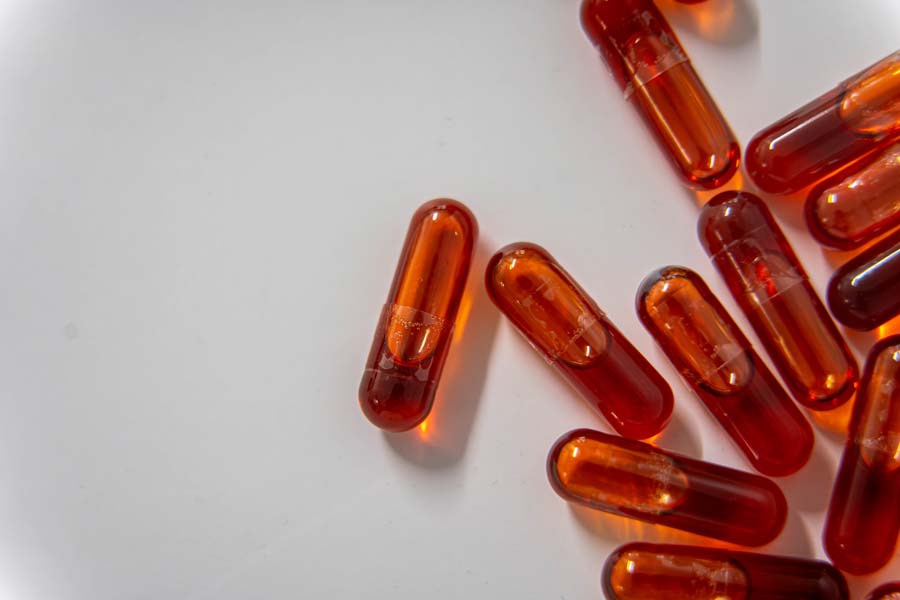
A randomised, placebo-controlled trial from the University of Glasgow enrolled adults with overweight or obesity (41 completers, average age 39, average BMI 31) in an 8-week alternate-day fasting programme. Participants took either krill oil capsules (providing a combined 764mg EPA and DHA plus choline and astaxanthin daily) or a vegetable oil placebo throughout the fasting period. Compared with placebo, the krill oil group showed a smaller decline in fat-free mass and better-preserved handgrip strength. [2]
This study did not include participants taking GLP-1 medication. The researchers designed the fasting protocol specifically to model the kind of rapid, significant weight loss seen with both aggressive dieting and GLP-1 drugs, but the trial itself only tested fasting, not medication.
A 6-Month Trial in Older Adults
Separately, a six-month randomised controlled trial in healthy adults aged 65 and over found that daily krill oil supplementation, without any calorie restriction or fasting protocol, improved knee extensor strength, grip strength and muscle thickness compared with a control group. [3]
This is the same trial explored in more detail in our article on krill oil and sarcopenia. It shows krill oil can support muscle independent of weight loss, but it wasn’t testing weight-loss-related muscle preservation specifically.
Taken together, these two trials support the idea that krill oil may help protect muscle during periods of rapid weight loss and support muscle function generally in older age. Neither trial tested krill oil specifically in people taking GLP-1 medication, so that particular combination remains a reasonable, mechanistically-grounded hypothesis rather than a directly proven benefit.
Why Krill Oil Is Unique
Krill oil differs from traditional fish oil in several meaningful ways. Its omega-3 fatty acids are bound to phospholipids, which may improve absorption into muscle and brain tissue compared to the triglyceride form found in standard fish oil.
Choline, another key nutrient in krill oil, supports fat metabolism and is a building block for the neurotransmitter acetylcholine, which plays a role in muscle contraction.
Krill oil also naturally contains astaxanthin, an antioxidant that helps reduce oxidative stress, a factor that can contribute to muscle degradation.
These qualities are why krill oil is of particular interest for maintaining muscle mass during weight loss, including in populations at higher risk, such as older adults or those undergoing calorie restriction.
You can read more on the differences between krill oil and fish oil in our article, Krill Oil vs. Fish Oil: The Ultimate Omega-3 Comparison.
How Krill Oil May Support Muscle: Mechanisms
Several interconnected mechanisms are proposed to explain krill oil’s effect on muscle:
- Anabolic signalling: omega-3 fatty acids have been shown to help ageing muscle respond more effectively to protein and insulin, supporting the processes involved in muscle repair. [4]
- Inflammation reduction: omega-3s are widely studied for their role in lowering inflammatory markers that can contribute to muscle breakdown
- Mitochondrial function: supporting efficient energy production in muscle cells, relevant to both performance and metabolism
- Oxidative stress protection: astaxanthin’s antioxidant activity may help protect muscle tissue during periods of rapid fat loss
These mechanisms are plausible and consistent with the clinical findings above, though the precise pathways involved in humans, particularly during weight loss specifically, are still an active area of research.
Practical Guidance for Krill Oil Supplementation
Dosage and Timing
Clinical trials in this area have used doses in the range of 1 to 4 grams of krill oil daily, depending on the formulation, with combined EPA and DHA content varying accordingly. Taking it with meals may support absorption. Studies suggest measurable effects may take several weeks to appear, with more significant improvements often reported after around six months of consistent use.
Combining with Protein and Exercise
Krill oil is likely to be most effective when combined with adequate protein intake and regular resistance training. The alternate-day fasting trial did show benefits without a structured exercise programme, but combining krill oil with movement and protein remains the better-supported overall strategy for preserving muscle.
Who May Benefit Most
Based on the available research, krill oil supplementation may be particularly relevant for older adults, people following calorie-restricted diets, and potentially those using GLP-1 medications, though this last group specifically hasn’t been studied directly. Anyone taking prescription medication, including GLP-1 drugs, should speak with their healthcare provider before adding any new supplement.
Integrating Krill Oil into a Holistic Strategy
Krill oil is best considered one part of a broader muscle-preservation strategy, not a standalone solution.
- Dietary considerations: a protein-rich diet including lean meats, fish, legumes and plant-based proteins provides the building blocks for muscle maintenance
- Resistance training: exercises that work muscles against a force, such as lifting weights, resistance bands or bodyweight exercises, two to three times a week, support lean tissue maintenance
- Micronutrients and recovery: adequate vitamin D, magnesium and B vitamins support energy production and muscle repair, alongside quality sleep for recovery and hormonal balance
Frequently Asked Questions
Is krill oil more effective than fish oil for preventing muscle loss?
Direct head-to-head trials on muscle preservation specifically are limited. Krill oil’s phospholipid-bound omega-3s and antioxidant content are absorbed efficiently and krill oil has clinical trial support for muscle preservation during weight loss, but this doesn’t mean it has been proven superior to fish oil in a direct comparison for this specific outcome.
Can I take krill oil with GLP-1 weight-loss medications?
There’s no known safety conflict between krill oil and GLP-1 medications, and the rationale for using it alongside them is reasonable. However, this specific combination hasn’t been directly tested in a clinical trial, so it’s worth discussing with your GP or pharmacist, particularly given you’re likely already being monitored while on GLP-1 treatment.
How quickly does krill oil help preserve muscle?
The alternate-day fasting trial saw measurable differences within 8 weeks, while the older-adult supplementation trial reported its main improvements after six months. Timelines likely depend on the type and pace of weight loss involved.
Does krill oil increase energy while protecting muscles?
Krill oil’s proposed effects on mitochondrial function and muscle metabolism could plausibly support energy levels, though this hasn’t been measured as a direct outcome in the muscle-preservation trials discussed here.
Conclusion: Krill Oil and Muscle Loss
Muscle loss is a recognised risk during weight loss, particularly when calorie intake is reduced significantly or when appetite-suppressing medications are used. An 8-week alternate-day fasting trial and a separate 6-month trial in older adults both suggest krill oil may help support muscle mass, strength and function, though neither has tested it specifically alongside GLP-1 medication.
Approaches that combine adequate protein intake, resistance training and overall nutrient quality remain central to maintaining muscle during any period of weight change. Within that broader context, krill oil is a reasonably well-evidenced, if not yet fully proven, addition worth discussing with a healthcare provider.
This topic also sits within a wider conversation about healthy ageing. For a broader perspective on how krill oil is being explored in relation to muscle, brain function and long-term mobility, see our article on krill oil and healthy ageing.
References
Disclaimer: The information in this article is intended for general informational purposes only and does not constitute medical advice. It is not a substitute for professional medical advice, diagnosis, or treatment. Always seek the advice of your GP or a qualified healthcare provider with any questions you may have regarding a medical condition. Never disregard professional medical advice or delay seeking it because of something you have read here.
Our Recommendations
Naturally Healthy News is part of the Good Health Naturally family of brands.
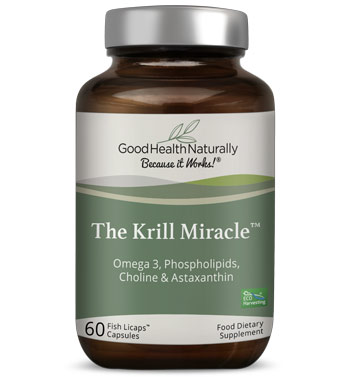
The Krill Miracle is a phospholipid-bound krill oil supplement, the same form of omega-3 discussed throughout this article, available from Good Health Naturally.