
It’s National Eye Health Week here in the UK, and I’ve been doing a lot of reading this week about the eyes, as it’s a topic we like to cover quite frequently at Naturally Healthy News. I’m also no stranger to that tired, dry feeling in the eyes after a heavy day of screen use. So I’ve pulled a couple of threads together this week on the subject, and linked to a more in-depth article on eye health for those who want to go further.
One piece of research worth revisiting is the Age-Related Eye Disease Study, a large, well-controlled trial that’s become foundational in this field. It found that a specific combination of nutrients reduced the risk of progression to advanced macular degeneration by roughly a quarter in people who already had early signs. It’s not new, but it’s worth revisiting because the results still hold up today.
Interestingly, the AREDS formula that arose from the study changed over time. The original version included beta-carotene until researchers discovered it may raise lung cancer risk in smokers and former smokers. It was replaced with lutein and zeaxanthin instead, two plant pigments your body concentrates specifically in the macula, the part of the retina responsible for detailed central vision, and the updated version worked at least as well, without that risk.
However, none of this is only relevant once something’s already gone wrong, either. Modern life asks a lot of our eyes long before any of that. Hours of fixed, close-up screen focus can alter blinking patterns and tear film stability, which is a big part of why dry eyes, irritation and that heavy, tired feeling by late afternoon are now such common complaints, whatever your age.
A simple habit worth building in, if you don’t already: every 20 minutes or so, look at something roughly 20 feet away for at least 20 seconds. Regularly shifting focus like this gives your eyes a proper break from sustained close-up strain, rather than holding the same fixed position for hours at a stretch.
It’s also worth remembering that eye health isn’t only about screens or supplements. Time spent outdoors, proper sleep and good circulation all play an important role too. The eye is a small structure with a very high energy demand, and it depends on the same basics as everything else in the body to function well.
We explore eye health in more detail in our article: Eye Health & Vision Support: Nutrients, Ageing and Lifestyle
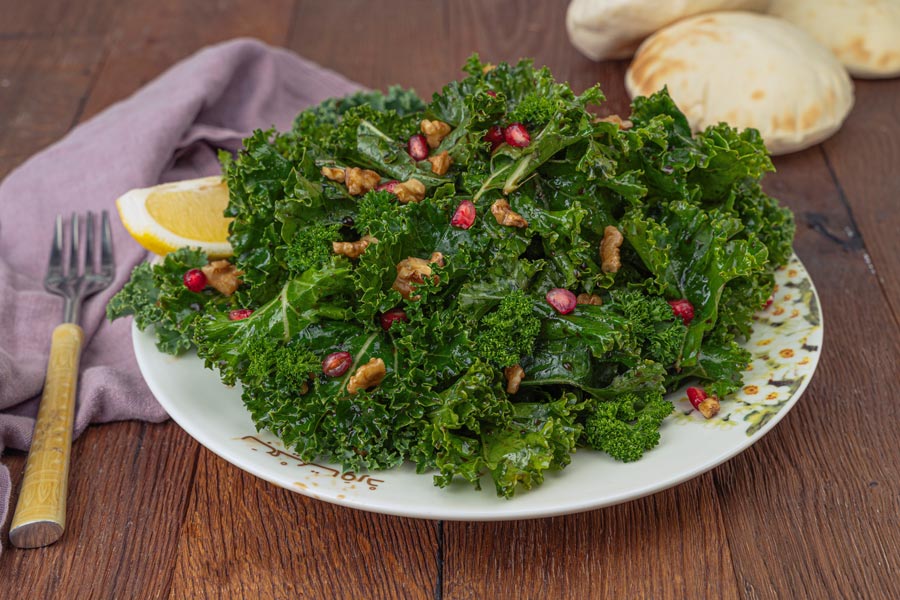
If you’re looking for a practical way to get more lutein and zeaxanthin into your day, leafy greens like spinach and kale are good dietary sources, and I try to eat greens most days myself. MaxiFocus® is one I use too. It’s a liquid oral formula that combines lutein and zeaxanthin with other nutrients studied for visual function, including vitamin A in its retinol form rather than beta-carotene, so it sidesteps the smoker-specific risk mentioned earlier, and Good Health Naturally has offered it for a long time.
With National Eye Health Week here, it felt like the right moment to revisit all of this properly. I hope some of these tips genuinely help, whether that’s the 20-20-20 habit, a look at what you’re eating, or just paying your eyes a bit more attention than usual this week.
As always, if something here resonated or there is a topic you would like me to dig into, just hit reply. I read every message.