
By Lindsay Powers | Nutritional Therapist & Health Writer, Naturally Healthy News
Published: July 2026 | Last reviewed: July 2026
Fenugreek (Trigonella foenum-graecum) is a seed from the legume family that has flavoured food and treated ailments across the Mediterranean, Middle East and South Asia for thousands of years. What was once purely traditional medicine now has a substantial body of clinical trial evidence behind it, spanning blood sugar control, cholesterol, testosterone, breast milk production and appetite regulation. This deep dive brings together what the research actually shows across each of these areas, and where the evidence is stronger or weaker than popular claims suggest.
Fenugreek’s best-studied use sits within the wider picture of metabolic health, alongside compounds such as bergamot. For the full lifestyle picture, see our guides to blood sugar balance and bergamot extract, linked throughout this article.
Quick Summary
- Meta-analyses consistently show fenugreek lowers fasting blood glucose, post-meal glucose and HbA1c
- It also improves total cholesterol, triglycerides and HDL, though effects on LDL are less consistent
- Standardised extracts have shown benefits for testosterone and libido in men, with effects generally modest
- Fenugreek is one of the better-studied herbal galactagogues for increasing breast milk supply
- Its soluble fibre (galactomannan) supports satiety, gut health and steadier post-meal blood sugar
What Is Fenugreek? Origin and Traditional Use
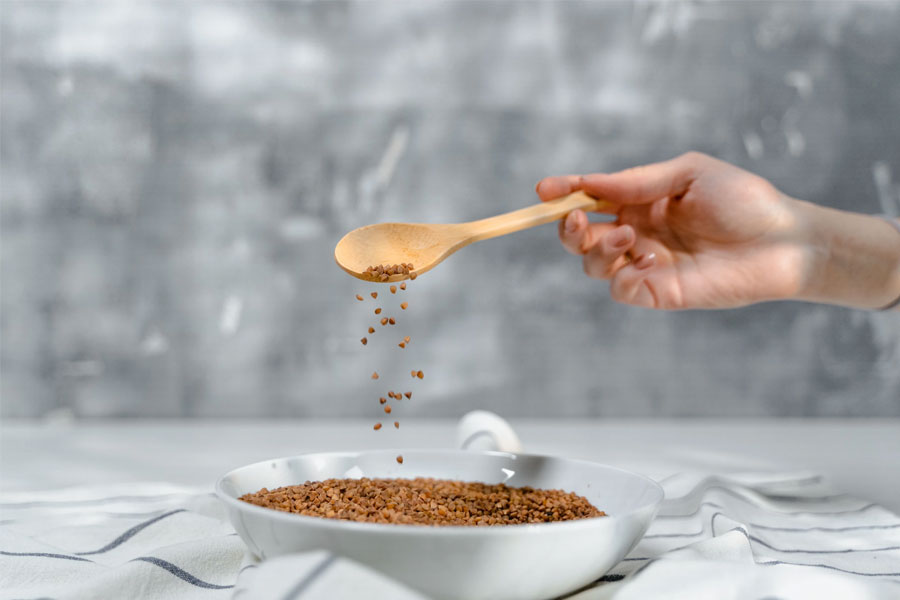
Fenugreek is an annual herb in the Fabaceae (legume) family, native to the eastern Mediterranean, the Middle East and parts of South Asia. Its small, angular golden-brown seeds have been used as both a culinary spice and a medicinal remedy for thousands of years, featuring in Ayurvedic medicine, traditional Chinese medicine, and the folk remedies of Egypt, Greece and the wider Middle East, where it was historically used to support digestion, lactation and blood sugar.
Today, fenugreek seed and seed extract are among the more thoroughly studied botanicals in clinical nutrition, with dozens of randomised controlled trials and systematic reviews published over the past two decades.
The Key Compounds Behind Fenugreek’s Effects
Fenugreek’s wide-ranging effects are generally attributed to four groups of compounds working together:
- Galactomannan fibre: a soluble, viscous dietary fibre that slows gastric emptying and glucose absorption, and supports satiety and gut health
- 4-hydroxyisoleucine: a unique amino acid that appears to enhance insulin secretion in response to elevated blood glucose
- Saponins, including diosgenin: steroidal compounds with mild hormonal activity, thought to underlie fenugreek’s effects on testosterone and lipids
- Trigonelline: an alkaloid with antioxidant properties that may also contribute to glucose-lowering effects
Fenugreek and Blood Sugar Balance
Blood sugar support is fenugreek’s best-established use, and the one with the deepest evidence base.
What the Research Shows
A 2023 meta-analysis of 10 randomised controlled trials in people with type 2 diabetes found that fenugreek significantly reduced fasting blood glucose, 2-hour post-meal glucose and HbA1c compared with control groups. A separate, more recent meta-analysis pooling 26 randomised controlled trials confirmed significant improvements in fasting glucose, post-meal glucose and HbA1c across a broader population. The proposed mechanism combines galactomannan slowing carbohydrate absorption in the gut with 4-hydroxyisoleucine supporting insulin release.
Where the Evidence Is More Mixed
Not every trial has been positive. A double-blind, placebo-controlled study in people with prediabetes found no significant effect of fenugreek (or of bergamot or olive leaf extract) on glucose homeostasis over the study period, a useful reminder that herbal compounds do not work identically for everyone or in every stage of blood sugar dysregulation. Fenugreek is best considered a supportive tool alongside diet and lifestyle changes rather than a treatment on its own. For the full picture of diet, exercise, sleep and other natural compounds that support healthy blood sugar, see our Blood Sugar Balance pillar guide, which also covers bergamot extract, another compound studied alongside fenugreek for metabolic health.
Fenugreek and Cholesterol and Lipid Health
Several meta-analyses have looked specifically at fenugreek’s effect on blood lipids. Pooled data from randomised controlled trials show consistent reductions in total cholesterol and triglycerides, along with modest increases in HDL (“good”) cholesterol. Effects on LDL (“bad”) cholesterol are less consistent across studies, with some meta-analyses reporting significant reductions and others, including the 2023 type 2 diabetes meta-analysis referenced above, finding no significant change. As with blood sugar, saponins and soluble fibre are thought to be the main drivers, likely by reducing cholesterol absorption in the gut.
Fenugreek and Testosterone: Male Hormonal Health
Fenugreek has drawn considerable interest for its effects on testosterone, libido and body composition in men, largely due to its saponin content, particularly diosgenin, which has weak steroid-like activity.
Evidence from Meta-Analyses
A 2020 meta-analysis of four randomised controlled trials found a significant increase in total serum testosterone with fenugreek extract supplementation compared with placebo. A broader 2023 systematic review and meta-analysis covering seven studies in male athletes found a small but significant effect on total testosterone, alongside modest, non-significant trends toward improved lean body mass and reduced fat mass. A separate systematic review of muscle performance outcomes reported improvements in strength, endurance and body composition across several of the included trials.
Individual trials using specific standardised extracts, such as Testofen and Furosap, have reported improvements in libido and sexual function alongside testosterone changes, though study sizes have generally been small (50 to 120 participants) and several have been funded by the extract manufacturers, which is worth factoring in when weighing the evidence.
This is a distinct enough area of research, with its own dosing considerations, that it is being developed as a dedicated follow-up article once product-specific standardisation details are confirmed.
Fenugreek and Women’s Health: Breast Milk Production
Fenugreek is one of the most widely used and best-studied herbal galactagogues, substances traditionally used to support breast milk supply. A network meta-analysis pooling data from randomised controlled trials found that fenugreek significantly increased breast milk volume compared with placebo, with an associated rise in prolactin levels. Trials in mothers of preterm infants have shown similar increases in milk volume alongside good safety and tolerability.
Not every individual trial has found a benefit, and a 2021 commentary noted that evidence for fenugreek outperforming placebo specifically is less consistent than pooled meta-analyses suggest, so expectations should stay realistic. Anyone breastfeeding and considering fenugreek should discuss it with a midwife, health visitor, or GP first, partly because of individual variation in response and partly due to its mild oestrogenic activity.
Fenugreek for Appetite and Weight Management
Fenugreek’s soluble fibre content has been studied for its effect on appetite. In a controlled trial, healthy adults with obesity who consumed 8g of isolated fenugreek fibre at breakfast reported significantly greater fullness and reduced hunger, and ate less at a subsequent lunch buffet, compared with a fibre-free control. A lower 4g dose showed no meaningful effect, suggesting a dose threshold matters. It is worth noting this was a single-day, short-term study, so it speaks to appetite regulation in the hours after a meal rather than proven long-term weight loss.
Fenugreek and Digestive and Gut Health
Galactomannan fibre is fermented by gut bacteria into short-chain fatty acids, which support the gut lining and a healthy microbiome, in addition to its direct effects on satiety and post-meal glucose. This fibre-driven mechanism is common to several viscous soluble fibres and is one of the more consistent, mechanistically well-understood aspects of fenugreek’s effects.
Fenugreek Safety and Who Should Be Cautious
Across dozens of clinical trials, fenugreek has a generally reassuring safety profile. A scoping review of 60 published studies found that where adverse effects were reported, they were typically mild and gastrointestinal (bloating, diarrhoea or a maple-syrup-like body odour), with allergic reactions occurring occasionally, particularly in people with legume or peanut allergies.
A few groups should take particular care:
- Pregnant women, since fenugreek has traditionally been associated with uterine stimulant effects and safety data in pregnancy remain limited
- People taking blood sugar-lowering or anticoagulant medication, due to a theoretical risk of additive effects
- Anyone with a legume or peanut allergy
As always, anyone with an existing health condition or taking regular medication should speak with a GP or pharmacist before starting fenugreek supplementation.
How to Take Fenugreek: Dosage and Forms
Clinical trial doses vary considerably by intended use and by whether whole seed powder, standardised extract, or isolated fibre was used:
- Blood sugar and lipid support: most positive trials have used 5 to 10g of seed powder daily, though some standardised extracts have used lower doses
- Testosterone and libido: trials showing benefit have typically used 500 to 600mg of a standardised extract daily, with some dose-ranging trials testing up to 1,800mg
- Breast milk support: trials have generally used 500mg of seed powder or extract, three times daily
- Appetite and satiety: the one trial to show an effect used 8g of isolated fenugreek fibre taken with breakfast
Who Might Benefit Most from Fenugreek?
- Anyone looking for additional, food-based support for blood sugar balance alongside diet and lifestyle changes
- People managing mildly elevated cholesterol or triglycerides
- Men interested in natural support for testosterone and libido, ideally using a standardised extract at a clinically studied dose
- Breastfeeding mothers wanting to support milk supply, under the guidance of a midwife or health visitor
- Anyone wanting extra support with post-meal fullness as part of a wider approach to appetite management
Frequently Asked Questions
Does fenugreek actually lower blood sugar?
Multiple meta-analyses of randomised controlled trials show fenugreek meaningfully reduces fasting blood glucose, post-meal glucose and HbA1c, particularly in people with type 2 diabetes. Results are not universal, however, and one placebo-controlled trial in people with prediabetes found no effect, so it works best as a support alongside, not instead of, diet and lifestyle changes.
Can fenugreek increase testosterone?
Meta-analyses of standardised fenugreek extracts show a small but statistically significant increase in testosterone in men, along with improvements in some studies for libido and body composition. Effects are generally modest rather than dramatic, and are strongest with standardised extracts at clinically studied doses.
Is fenugreek safe while breastfeeding?
Fenugreek is one of the most widely studied herbal galactagogues and has generally shown a good safety profile in lactation trials, with meta-analyses supporting an increase in milk volume. Because of individual variation and its mild hormonal activity, it is best used under the guidance of a midwife, health visitor or GP.
How much fenugreek should I take?
This depends entirely on the benefit being targeted. Clinical trials have used anywhere from 500mg of a standardised extract to 10g of seed powder daily, depending on whether the goal is blood sugar support, hormonal health, lactation, or appetite control. See the dosage guide above for specifics.
Are there any side effects of taking fenugreek?
The most commonly reported side effects are mild gastrointestinal symptoms such as bloating or loose stools, along with a maple-syrup-like odour in sweat or urine. Allergic reactions are possible, particularly in people with legume or peanut allergies, and pregnant women should avoid supplemental fenugreek unless advised otherwise by a healthcare provider.
Final Thoughts: A Well-Studied Herb With Genuinely Broad Benefits
Few plant compounds have research spanning as many distinct areas of health as fenugreek, from blood sugar and cholesterol to testosterone, lactation and appetite. The evidence is strongest for metabolic health, reasonably solid for lactation and hormonal support, and still developing for weight management specifically.
As with any supplement, fenugreek works best as one part of a wider approach that includes a nutrient-dense diet, regular activity and good sleep, rather than as a stand-alone fix.
References
[1] Kim J, Noh W, Kim A, Choi Y, Kim YS. The Effect of Fenugreek in Type 2 Diabetes and Prediabetes: A Systematic Review and Meta-Analysis of Randomized Controlled Trials. Int J Mol Sci. 2023;24(18):13999. https://pmc.ncbi.nlm.nih.gov/articles/PMC10531284/
[2] Haxhiraj M, White K, Terry C. The Role of Fenugreek in the Management of Type 2 Diabetes. Int J Mol Sci. 2024;25(13):6987. https://pmc.ncbi.nlm.nih.gov/articles/PMC11240913/
[3] Florentin M, Liberopoulos E, Elisaf MS, Tsimihodimos V. No effect of fenugreek, bergamot and olive leaf extract on glucose homeostasis in patients with prediabetes: a randomized double-blind placebo-controlled study. Arch Med Sci Atheroscler Dis. 2019;4:e162-e166. https://pmc.ncbi.nlm.nih.gov/articles/PMC6704765/
[4] Askari M, et al. Effect of fenugreek consumption on serum lipid profile: A systematic review and meta-analysis. Phytother Res. 2020. https://doi.org/10.1002/ptr.6690
[5] Hormoznejad R, Fathi M. Effect of fenugreek extract supplement on testosterone levels in male: A meta-analysis of clinical trials. Phytother Res. 2020;34(7):1550-1555. https://pubmed.ncbi.nlm.nih.gov/32048383/
[6] Rathi A, et al. The Anabolic Effect of Fenugreek: A Systematic Review with Meta-analysis. Int J Sports Med. 2023;44(10):692-703. https://pubmed.ncbi.nlm.nih.gov/37253363/
[7] Albaker WI. Fenugreek and Its Effects on Muscle Performance: A Systematic Review. J Pers Med. 2023;13(3):427. https://pmc.ncbi.nlm.nih.gov/articles/PMC10054907/
[8] Khan TM, Wu DBC, Dolzhenko AV. Effectiveness of fenugreek as a galactagogue: A network meta-analysis. Phytother Res. 2018;32(3):402-412. https://pubmed.ncbi.nlm.nih.gov/29193352/
[9] Mathern JR, Raatz SK, Thomas W, Slavin JL. Effect of fenugreek fiber on satiety, blood glucose and insulin response and energy intake in obese subjects. Phytother Res. 2009;23(11):1543-1548. https://pubmed.ncbi.nlm.nih.gov/19353539/
Disclaimer: The information in this article is intended for general informational purposes only and does not constitute medical advice. It is not a substitute for professional medical advice, diagnosis, or treatment. Always seek the advice of your GP or a qualified healthcare provider with any questions you may have regarding a medical condition. Never disregard professional medical advice or delay seeking it because of something you have read here.