Published: June 2026 | Last reviewed: June 2026
If you’ve read our guide to blood sugar balance, you’ll have seen bergamot extract mentioned as one of the natural compounds showing real promise for metabolic health. Bergamot extract is a standardised polyphenolic supplement derived from the juice of Citrus bergamia, a citrus fruit grown almost exclusively in Calabria, southern Italy, and studied extensively for its effects on cholesterol, blood sugar, and cardiovascular health.
Here, we go deeper: exploring exactly what it is, what makes it botanically unique, its long history of traditional use, and what the most recent clinical research reveals about bergamot health benefits.
Quick Summary
- Bergamot (Citrus bergamia) is a unique citrus fruit grown almost exclusively in Calabria, southern Italy
- It contains exclusive polyphenols, brutieridin and melitidin, not found in any other citrus fruit
- Clinical trials show meaningful reductions in LDL cholesterol, triglycerides, and fasting blood glucose
- Bergamot polyphenols inhibit HMG-CoA reductase, the same enzyme targeted by statin drugs
- Recent research highlights benefits for insulin sensitivity, endothelial function, and liver health
What Is Bergamot? Origin, Botany, and History
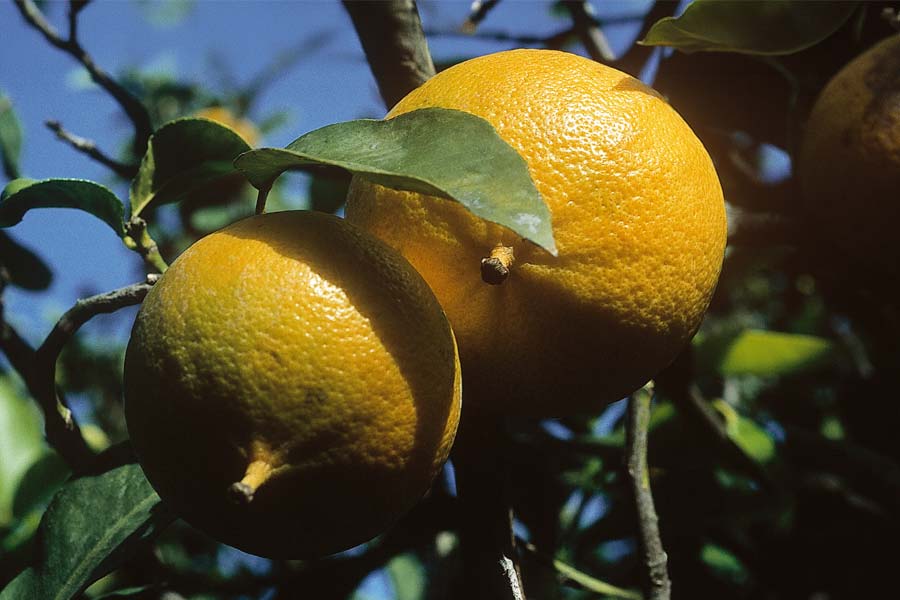
Citrus bergamia, the bergamot orange, is a small, fragrant citrus fruit, roughly the size of an orange. It is too sour and bitter to eat fresh, which is why it has traditionally been processed rather than consumed whole. [1]
Where Does Bergamot Come From?
The exact origins of bergamot remain the subject of botanical debate. Theories suggest it may have arrived from the Canary Islands, China, or Greece, but its genetic profile points to it being a probable hybrid of lemon and bitter orange. Whatever its ancestry, bergamot found its spiritual home in one very specific part of the world. [2]
Today, approximately 95% of the world’s bergamot is grown on a narrow coastal strip along the Ionian Sea in Calabria, the toe of Italy’s boot, stretching from Reggio Calabria to Locri. The unique combination of volcanic soil, Mediterranean climate, and sea breezes creates conditions that cannot be replicated elsewhere. This appears to be responsible for the fruit’s extraordinarily high polyphenol content. The first recorded large-scale cultivation dates to around 1750, when Nicola Parisi established the first known bergamot orchards in the region. [3]
Traditional and Historical Uses
Long before researchers arrived with mass spectrometers, the people of Calabria were using bergamot in their folk medicine. Traditional uses included supporting immune function and cardiovascular health, as well as treating digestive complaints and infections. The fruit’s essential oil became celebrated in European perfumery during the 18th century and later gave Earl Grey tea its distinctive flavour. [4]
In the 20th century, scientific interest grew. Researchers began investigating whether the compounds behind bergamot’s traditional reputation could be characterised and quantified, and the results were striking.
The Unique Plant Compounds in Bergamot
What sets bergamot apart from other citrus fruits, including oranges, lemons, and grapefruit, is not simply the quantity of polyphenols it contains, but their specific composition. Two molecules in particular have attracted significant scientific attention.
Brutieridin and Melitidin: Bergamot’s Signature Compounds
Brutieridin and melitidin are flavonoid glycosides found exclusively in bergamot; they have not been identified in any other known citrus species. Both compounds share structural similarities with the active components of statin drugs, which work by inhibiting HMG-CoA reductase, the enzyme that controls cholesterol synthesis in the liver. This gives bergamot a plausible biochemical mechanism that goes beyond simple antioxidant activity. [5]
The Broader Polyphenol Family
Beyond these signature molecules, bergamot is rich in a complex profile of flavonoids and polyphenolic compounds that contribute to its biological activity. The key ones include:
- Naringin, a flavanone glycoside with anti-inflammatory and lipid-lowering properties, also found in grapefruit but at notably higher concentrations in bergamot
- Neoeriocitrin, an antioxidant flavanone that contributes to vascular protection
- Neohesperidin, which supports glucose metabolism and has demonstrated anti-inflammatory effects in preclinical research
- Narirutin and poncirin, additional flavanones that enhance the fruit’s antioxidant capacity
- Bergamottin, a furanocoumarin found primarily in the essential oil, which may also affect drug-metabolising enzymes
This collective profile is referred to in research as the Bergamot Polyphenolic Fraction, or BPF, a standardised extract derived from bergamot juice that is used in the majority of clinical trials. High-quality supplements are typically standardised to contain between 38% and 47% BPF. [6]
Bergamot’s rich polyphenol content also places it within a broader family of plant compounds increasingly linked to healthy ageing at a cellular level. For more on how polyphenols from foods like garlic, berries, and tea may support healthier cells, see our guide to Polyphenols and Ageing.
Clinical Evidence: What the Research Shows
The shift from traditional reputation to peer-reviewed evidence has been substantial over the past decade. Bergamot extract is now one of the better-studied natural compounds in the cardiovascular nutraceutical space, with a growing body of randomised controlled trials (RCTs) supporting its effects on lipid profiles, blood sugar, and wider metabolic health.
Cholesterol and Lipid Profiles
The most consistent finding across bergamot research is its effect on blood lipids. A systematic review examining 12 clinical studies found that the majority demonstrated meaningful improvements in lipid markers. Across these trials, total cholesterol fell by approximately 12–31%, LDL (“bad”) cholesterol by 8–40%, and triglycerides also declined in most studies, while HDL (“good”) cholesterol either held steady or increased. [7]
A six-month prospective study by Toth et al. (2016) found that bergamot supplementation led to significant reductions in total cholesterol, LDL cholesterol, and triglycerides, alongside improvements in HDL cholesterol and a reduction in atherogenic small dense LDL particles in subjects with moderate hypercholesterolaemia. [8]
More recently, a 2024 randomised, double-blind, placebo-controlled clinical trial published in the journal Foods assessed Citrus bergamia extract in participants with elevated cholesterol. Over four months, LDL cholesterol fell by 7.2%, 8.8%, and 11.5% at the two-, three-, and four-month checkpoints respectively, with total cholesterol declining by up to 8.8% by the study’s end. These are modest but clinically meaningful reductions in a natural supplement context. [9]
Blood Sugar and Insulin Sensitivity
Bergamot’s impact on blood glucose is particularly relevant for anyone managing the early stages of metabolic syndrome. A three-arm, placebo-controlled RCT published in Archives of Medical Science (Fogacci et al., 2023) treated 90 adults with features of metabolic syndrome for 12 weeks. Both tested doses of bergamot phytocomplex significantly improved atherogenic dyslipidaemia and insulin sensitivity compared to placebo; the higher dose group saw improvements in total cholesterol, LDL, non-HDL cholesterol, and triglycerides within just six weeks of starting supplementation. The HOMA-IR index, a standard measure of insulin resistance, also improved significantly. [10]
The proposed mechanism involves the action of neohesperidin and naringin on glucose transport pathways, as well as brutieridin’s and melitidin’s broader effects on hepatic lipid and glucose metabolism via HMG-CoA reductase inhibition.
Endothelial Function and Vascular Health
A randomised, placebo-controlled trial published in Nutrition (Maurotti et al., 2024) investigated BPF supplementation in patients with non-alcoholic fatty liver disease (NAFLD) and endothelial dysfunction. Participants received a nutraceutical containing bergamot and artichoke extracts daily for 12 weeks. The intervention group showed statistically significant improvements in endothelial reactivity, LDL-C, triglycerides, and liver health markers compared to both baseline and placebo. Liver ultrasound findings also improved, supporting beneficial effects on hepatic fat accumulation. [11]
A 2025 review further highlighted three interconnected vascular mechanisms: reduction of systemic inflammation, enhanced antioxidant protection, and direct support of endothelial function, together suggesting a multi-pathway approach to cardiovascular protection that goes beyond simple cholesterol lowering. [12]
Anti-inflammatory and Antioxidant Activity
Chronic low-grade inflammation underpins much of the risk associated with metabolic syndrome, insulin resistance, and cardiovascular disease. Bergamot polyphenols have demonstrated the ability to reduce levels of high-sensitivity C-reactive protein (hs-CRP), a key marker of systemic inflammation, in several trials. The BPF also appears to support the body’s endogenous antioxidant defences, reducing oxidative stress that can damage blood vessel walls and impair insulin signalling. [10]
How to Use Bergamot Extract: Practical Considerations
The research on bergamot uses oral extracts standardised to their polyphenolic content, not essential oil, which has different properties and is primarily used in aromatherapy and skin care contexts. When choosing a supplement:
- Look for extracts standardised to BPF, typically 38–47% polyphenols
- Doses in clinical studies commonly range from 300 mg to 1,000 mg per day of standardised extract
- Most trials run for 8–24 weeks, suggesting benefits build with consistent use
- Bergamot essential oil contains bergapten, which can increase UV sensitivity; this does not apply to oral polyphenolic extracts
As always, bergamot extract should complement, not replace, a healthy diet and active lifestyle. Those taking statins or blood-thinning medications should consult a healthcare professional before adding bergamot supplements, as there may be additive effects on lipid pathways.
Frequently Asked Questions
What does bergamot extract do?
Bergamot extract works primarily by supporting healthy lipid metabolism and insulin sensitivity. Its key polyphenols, particularly brutieridin and melitidin, inhibit HMG-CoA reductase, the enzyme that controls cholesterol production in the liver. Other compounds in the extract support antioxidant defences, reduce inflammation, and help protect the endothelium, the lining of blood vessels. Multiple clinical trials have demonstrated reductions in LDL cholesterol, triglycerides, and fasting blood glucose, alongside improvements in HDL cholesterol and vascular function.
Is bergamot extract safe to take?
Bergamot polyphenolic extract has a good safety profile in clinical trials, with no significant adverse effects reported at standard doses of 300–1,000 mg per day. It is important to distinguish oral polyphenolic extract from bergamot essential oil, which contains bergapten, a compound that can increase UV skin sensitivity. As with any supplement, those on prescription medications for cholesterol or blood sugar should consult their GP before starting, as bergamot may have additive effects.
Is bergamot the same as the herb used in aromatherapy?
Not exactly. Citrus bergamia (the subject of this article) is a citrus fruit, while the herb sometimes called bergamot refers to Monarda species, a completely different plant family. The citrus bergamot’s essential oil is widely used in perfumery and aromatherapy, but the health research discussed here refers specifically to polyphenolic extracts from the fruit juice.
Can bergamot replace statins?
No. Bergamot is not a substitute for prescribed medication in people with diagnosed cardiovascular disease or significantly elevated cholesterol. However, for those with mildly suboptimal cholesterol or metabolic syndrome features, or those who do not tolerate statins well, bergamot is among the more evidence-supported natural options. Always discuss any changes to medication with your GP.
How long does bergamot take to work?
Clinical trials typically report measurable changes in lipid markers within 4–12 weeks of consistent supplementation. Some improvements in insulin sensitivity and inflammation markers have been observed as early as six weeks in well-designed RCTs.
Is bergamot extract good for cholesterol?
Yes. A systematic review of 12 clinical studies found that the majority showed significant reductions in total cholesterol, LDL cholesterol, and triglycerides with bergamot supplementation. Total cholesterol fell by 12–31%, LDL by 8–40%, and triglycerides also declined in most studies. These findings have been supported by multiple subsequent randomised controlled trials.
Final Thoughts: Is Bergamot Extract Worth It?
Bergamot extract stands out in a crowded natural supplement landscape because its benefits are grounded in a growing body of well-designed human trials rather than theory alone. Its unique polyphenol profile, particularly the statin-like brutieridin and melitidin, gives it a plausible mechanism, while clinical evidence points to real improvements in LDL cholesterol, triglycerides, blood glucose, and insulin sensitivity.
For anyone looking to support their metabolic and cardiovascular health alongside the dietary and lifestyle habits covered in our blood sugar balance guide, bergamot extract is worth serious consideration.
For broader strategies to naturally balance blood sugar through diet, exercise, stress management, and sleep, as well as other evidence-based natural compounds, see our full guide: Blood Sugar Balance: Diet & Lifestyle Tips for Stable Energy.
References
- ScienceInsights. What Is Bergamot For? Benefits, Dosage, and Safety. 2026. scienceinsights.org
- Navarra M, Mannucci C, Delbò M, Calapai G. Citrus bergamia essential oil: from basic research to clinical application. Front Pharmacol. 2015;6:36. PMCID: PMC4345801. doi: 10.3389/fphar.2015.00036
- International Society for Ethnopharmacology. History, Ethnopharmacology and Therapeutic Potential of Bergamot (Citrus bergamia Risso & Poit.). 2024. ethnopharmacology.org
- BergaMet North America. Why Citrus Bergamot. bergametna.com
- Nesci S, Palma E, Mollace V, Romeo G, Oppedisano F. Enjoy your journey: the bergamot polyphenols from the tree to the cell metabolism. J Transl Med. 2021;19:457. PMCID: PMC8569986. doi: 10.1186/s12967-021-03131-7
- Nauman MC, Johnson JJ. Clinical application of bergamot (Citrus bergamia) for reducing high cholesterol and cardiovascular disease markers. OAText. 2019. oatext.com
- Lamiquiz-Moneo I, Gine-Gonzalez J, Alisente S, et al. Effect of bergamot on lipid profile in humans: a systematic review. Crit Rev Food Sci Nutr. 2020;60(18):3133–3143. doi: 10.1080/10408398.2019.1677554
- Toth PP et al. Bergamot reduces plasma lipids, atherogenic small dense LDL, and subclinical atherosclerosis in subjects with moderate hypercholesterolemia: a 6-month prospective study. Front Pharmacol. 2016. PMID: 30501605. doi: 10.3389/fphar.2015.00299
- Spina A, Amone F, Zaccaria V, et al. Citrus bergamia extract, a natural approach for cholesterol and lipid metabolism management: a randomized, double-blind placebo-controlled clinical trial. Foods. 2024;13(23):3883. doi: 10.3390/foods13233883
- Fogacci F, Giovannini M, Imbalzano E, et al. Metabolic and vascular effect of a new standardized bergamot phytocomplex: a three-arm, placebo-controlled, double-blind clinical trial. Arch Med Sci. 2023;19(5):1228–1235. doi: 10.5114/aoms/163368
- Maurotti S, Pujia R, Ferro Y, et al. A nutraceutical with Citrus bergamia and Cynara cardunculus improves endothelial function in adults with non-alcoholic fatty liver disease. Nutrition. 2024;118:112294. doi: 10.1016/j.nut.2023.112294
- NutraIngredients. Bergamot extract may offer a natural approach to managing cholesterol. March 2025. nutraingredients.com
Sponsored by Good Health Naturally
Product Recommendation
For those looking to explore this further, the following formulation contains Bergavit Bergamot Extract, which has been studied in relation to metabolic health.
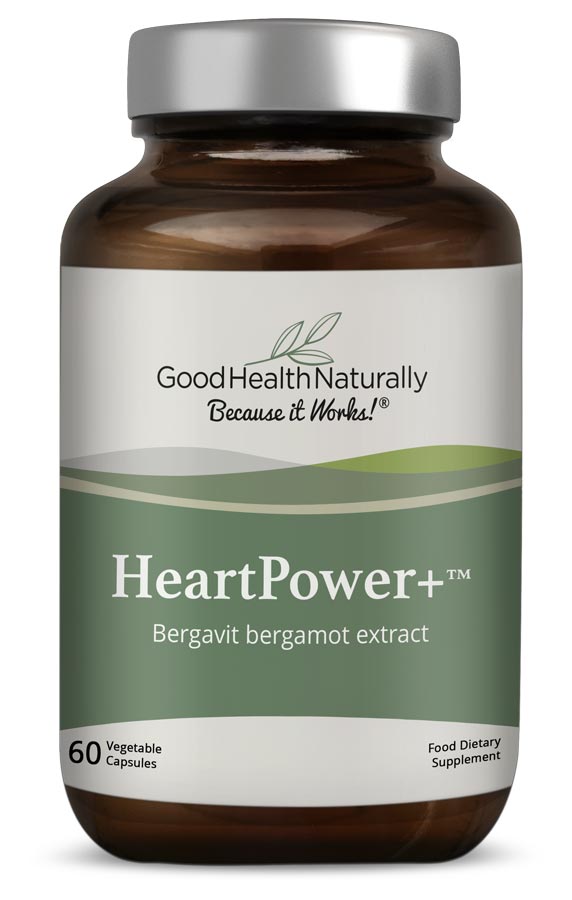
HeartPower+™
Formulated with bergamot fruit extract, a natural source of beneficial plant compounds