Last week, we looked at gardening, and a number of you mentioned the social side almost as an afterthought. The allotment neighbours, the community plot, the friend you potter around with on a Sunday morning. It stayed with me because the research on social connection and long-term health is striking and really does not get nearly enough attention.
The Health Risk Nobody Talks About Enough
We tend to think of loneliness as an emotional experience, but the body registers it as something closer to a threat. Studies have found that chronic loneliness is associated with higher levels of inflammation, disrupted sleep, elevated blood pressure and a weakened immune response. One widely cited analysis found that social isolation carries health risks comparable to smoking around 15 cigarettes a day.
For older adults in particular, the effects on cognitive function are significant. People with strong social ties consistently show better memory retention, slower cognitive ageing and greater resilience against dementia. The brain, it seems, genuinely needs other people to stay sharp.
What Connection Actually Looks Like
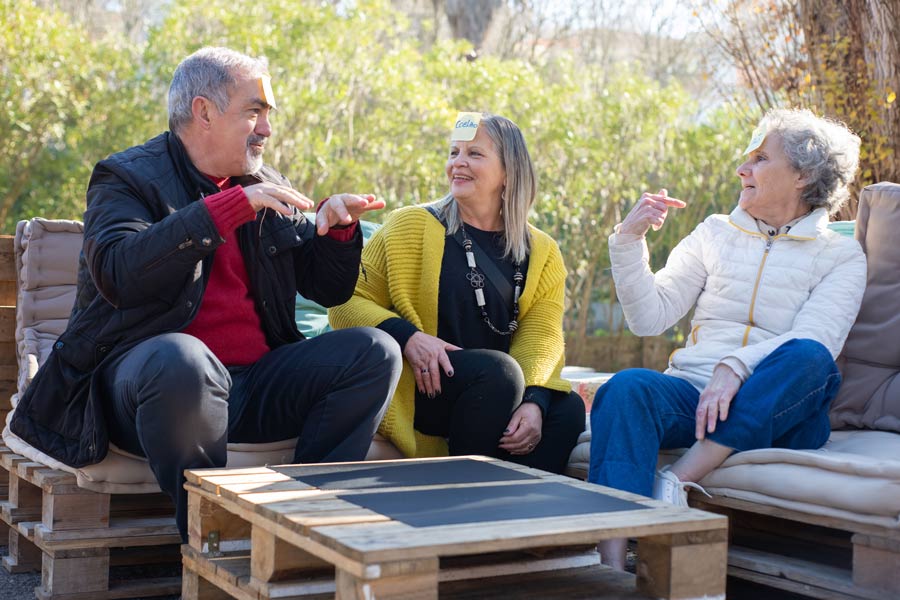
It does not have to mean a packed social calendar. What the research consistently points to is the quality and regularity of meaningful contact, feeling known, having someone to talk to, and being part of something.
If this resonates and you are wondering where to start, a few gentle ideas worth considering: a local walking group, a library reading club, a volunteering role, or a regular class, whether that is yoga, art or anything else you have been meaning to try.
Community gardens and allotments, which we touched on last week, are another lovely option that combines the physical benefits with genuine human contact. For many people, the social side turns out to be the part they value most.
Quick Bite: Brazil Nuts and Selenium
A narrative review published last year in Food Chemistry looked at the broader health picture for Brazil nuts and the findings are worth a mention. Brazil nuts provide more selenium than any other nut, and selenium plays a key role in antioxidant defence, immune function and thyroid health. There is also growing research into its role in brain protection, with selenium appearing to reduce oxidative stress in ways that may support cognitive function as we age.
The practical takeaway is a simple one: a couple of Brazil nuts a day is plenty. Selenium accumulates in the body, so this is a case where more is definitely not better, but a small amount regularly is an easy and genuinely useful habit.
If you want to read more about the benefits of selenium, we have explored it here.
A Reader Note Worth Sharing
A few weeks ago, we covered vinegar and its potential role in blood sugar regulation, and one reader wrote in with a clarification that is well worth passing on.
Not all vinegars are equal. If you are going to try it, choose apple cider vinegar with the mother. This is the raw, unfiltered, naturally fermented version and you will recognise it by the cloudy sediment in the bottle. Filtered and distilled vinegars have had much of the beneficial content removed in processing, so it is worth factoring that in before you buy.