

Last week we talked about the heatwaves settling over Europe, the US, and other parts of the world, and the electrolytes we lose along with the fluid. A reader named Louise, living in Australia, got in touch to say hello, even though it’s the middle of winter there right now, and it turns out she’s been doing much of what we suggested. She swears by a pinch of sea salt with a mouthful of water when she’s dehydrated, and uses a topical magnesium cream to keep cramping at bay, a nice bit of real-world overlap with what we covered last week.
She also mentioned that NSW summers used to reliably bring a week or more of 40°C+ in February, but the last two summers have actually been milder than usual, mostly high twenties and less humid, which she says makes all the difference. It’s a good reminder that heat patterns don’t move in one predictable direction, wherever you are.
Which brings up an interesting question: if you’re getting plenty of sun this summer, does that mean your vitamin D is sorted?
The Sun and Vitamin D: It’s Not as Simple as It Seems
It’s an easy assumption to make. Lots of sunshine, therefore lots of vitamin D. But the reality is more nuanced, and it matters, because vitamin D plays a role in bone health, immune function and mood.
Sunscreen is essential for skin protection, and that’s non-negotiable. But research suggests that regular, consistent use across a full UV season can measurably reduce vitamin D synthesis. That’s not a reason to skip it, but it does mean regular sunscreen users may be running lower on vitamin D than they’d assume, even during a sunny summer.
What also surprises people is that vitamin D production has a ceiling of its own. It plateaus well before sunburn, so more time in the sun without protection doesn’t mean more vitamin D, just more UV damage.
There’s also a practical reality: the further you live from the equator, the narrower your window for making it, generally just the hours around midday. Window glass also blocks it entirely, so an indoor working day can mean missing that opportunity completely, regardless of the weather.
This applies to more of us than you’d expect, too. People with darker skin need considerably longer sun exposure, and anyone who covers up for cultural or religious reasons gets less exposure regardless of the season. So even in the height of summer, plenty of us still benefit from supplementing. A D3 and K2 spray delivering 1,000 IU per serving is a sensible, moderate way to keep levels topped up.
If you want to go deeper into the science and find out who needs to pay it closest attention and why, we have explored it further in this week’s featured article.
Sue’s Station: The Story Continues
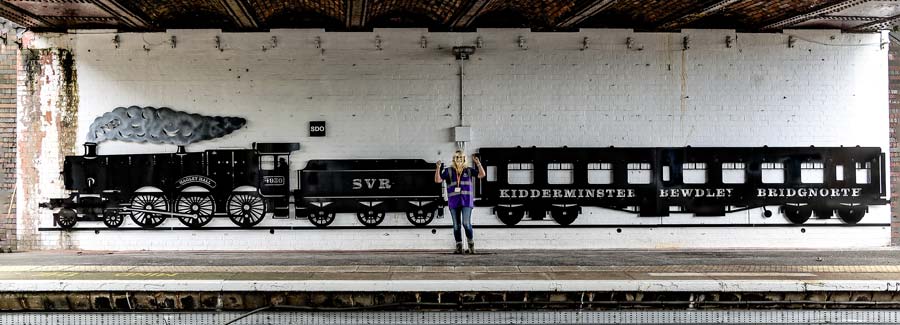
Back in Week 25, we heard from Sue about the railway station she and her u3a group adopted. She’s since sent over some updates, and honestly, the scale of what her volunteers have built is remarkable.
Five years ago, as Chair of her local u3a, Sue was asked about adopting the station. She took on the lead role, recruited volunteers, and project managed the whole thing (a skill carried over from her working life).
One standout project was a solid steel sculpture, built in seven pieces, of the Hagley Hall steam engine and a tribute to the Severn Valley Railway next door. The photo of Sue in front of it went viral in steam enthusiast circles.
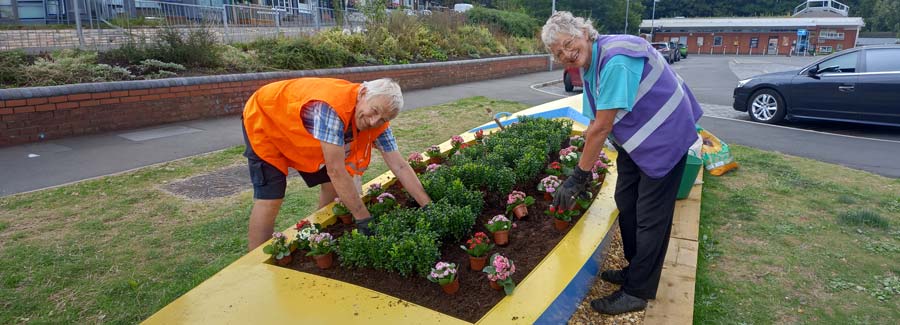
That’s just one piece of it. Her team also renovated an old boat, filled it with flowers, and placed it at the station entrance to honour the town’s twinning with Husum in Germany, who contributed toward two benches for the area.
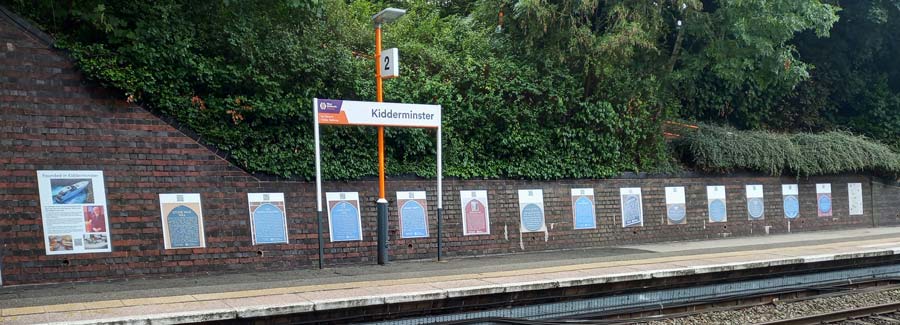
They’ve put up replica Blue Plaques marking local history with the Kidderminster Civic Society, added free history boards from the Carpet Museum celebrating the town’s carpet-making heritage, and even built a bug hotel along the Long Bank to keep things eco-friendly.
It’s a proper community project, run by volunteers who clearly love where they live.
Thank you, Sue, for continuing to share this with us.
If you’re involved in a community project of your own, whether it’s a station, a garden, or something else entirely, we’d love to hear about it.