
By Lindsay Powers | Nutritional Therapist & Health Writer, Naturally Healthy News
Published: May 2026 | Last reviewed: July 2026
It’s often assumed that changes in vision simply come with age. But while age plays a role, it is only one part of a much wider picture in eye health.
How we use our eyes, what we eat, how we sleep, and even how often we step outside all shape how the visual system functions over time. In many cases, changes in vision do not come from a single cause, but from the gradual interaction of multiple small factors over years.
Understanding these influences offers a more useful perspective. It shifts the conversation away from inevitable decline and towards the conditions that support long-term visual function.
The eye itself is a highly specialised structure, made up of tissues that rely on a continuous supply of light, oxygen and nutrients to function effectively. From the lens, which helps focus light, to the retina, which converts it into signals for the brain, each part plays a distinct role. This is why even small changes in the wider environment or within the body can influence how clearly and comfortably we see.
Quick Summary
- Vision changes are influenced by both ageing and daily habits
- The structure of the eye alters over time, affecting focus and clarity
- Modern lifestyle factors, including screen use, can influence visual comfort
- Nutrients such as lutein and zeaxanthin are found in the retina and are widely studied
- Eye health reflects a combination of diet, environment and overall physiology
Why Vision Changes with Age
One of the most noticeable changes people experience is a gradual shift in how easily the eyes focus. People often first notice this when reading becomes more difficult, particularly in lower light.
This change occurs as the lens of the eye gradually loses flexibility. In younger years, the lens adjusts easily to focus on objects at different distances. Over time, this flexibility reduces, and the eyes take longer to adjust between near and far focus.
At the same time, other subtle changes take place. The retina processes incoming light and relies on a constant supply of nutrients and oxygen. Small changes in circulation, cellular turnover and light exposure can influence how efficiently this system works.
These changes tend to develop gradually and reflect both biological ageing and environmental influences.
The Role of Modern Lifestyle in Eye Health
While ageing plays a role, modern habits have also changed how we use our eyes.
Much of daily life now involves sustained close-up focus, particularly on digital screens. Instead of regularly shifting focus between distances, we often hold our gaze in a fixed position for extended periods.
This can alter blinking patterns, affect tear film stability and contribute to visual fatigue. Many people notice dryness, irritation or a sense of strain after prolonged screen use.
In practical terms, this often reflects modern working patterns, where long periods are spent indoors and focused on a single visual task, with fewer natural breaks or changes in viewing distance.
You can read more on this topic in our article on screen time and digital eye strain.
Nutrients and the Eye
Certain nutrients appear to have a more direct relationship with the eyes than others. Among these, lutein and zeaxanthin stand out.
These compounds belong to a group of plant pigments known as carotenoids. The body concentrates lutein and zeaxanthin in the retina, particularly in the macula, which supports detailed central vision.
This localisation has led researchers to explore their role in visual function.
From a biochemical perspective, these carotenoids help regulate light exposure and oxidative processes associated with normal metabolism. Observational studies have explored how dietary intake may benefit long-term eye health.
Other nutrients also play a role. Omega-3 fatty acids, particularly DHA, are present in high concentrations in the retina and contribute to the maintenance of normal vision. Researchers have also explored carotenoids, such as astaxanthin, in relation to oxidative processes and visual function.
As fat-soluble compounds, carotenoids are best absorbed when consumed as part of meals that include dietary fats, highlighting the importance of overall food composition rather than individual nutrients in isolation.
Common Changes People Notice
Rather than focusing only on clinical conditions, it can help to look at patterns people commonly experience.
These often include:
- A gradual reduction in clarity, particularly in lower light
- Increased sensitivity to glare
- Dryness or discomfort during prolonged visual tasks
- Slower adjustment when shifting focus
These experiences do not necessarily indicate a specific issue. In many cases, they reflect how the visual system adapts to a combination of age-related changes, visual habits and environmental factors such as screen use or lighting conditions.
Age-Related Eye Conditions
Alongside these gradual changes, certain conditions become more common with age.
Two of the most widely discussed are age-related macular degeneration (AMD) and cataracts.
AMD affects the central part of the retina, known as the macula, which supports detailed vision. Changes in this area can influence how clearly we see fine detail, such as reading text or recognising faces. Cataracts, by contrast, develop when the lens gradually becomes cloudy, which can affect clarity, contrast and sensitivity to light.
While these conditions tend to become more common with age, multiple factors influence how and when they develop. These include dietary patterns, oxidative processes, light exposure and overall metabolic health.
Nutrition has also received increasing attention in this area. The body concentrates carotenoids such as lutein and zeaxanthin in the macula, and researchers have explored their role in maintaining retinal structure and function. Large-scale trials, including the Age-Related Eye Disease Study (AREDS), have examined how specific nutrient combinations may influence the progression of certain eye conditions, particularly in those already at risk. These formulations typically include antioxidants, minerals such as zinc, and vitamins C and E, highlighting the multifactorial nature of eye health.
Blood Flow, Light Exposure and Daily Rhythms
Vision depends not only on the structure of the eye but also on how the eye interacts with the rest of the body.
The retina has one of the highest energy demands of any tissue. It requires a consistent supply of oxygen and nutrients delivered through the circulation. Changes in blood flow can influence how efficiently this system functions, particularly over time as circulation and metabolic processes shift.
Light exposure also plays a role. Natural light helps regulate circadian rhythms, which influence sleep, hormone balance and overall physiological function. Spending less time outdoors or relying heavily on artificial light may therefore indirectly affect visual health.
This broader perspective highlights how eye health connects to general lifestyle patterns, including movement, time spent outdoors and daily routines.
Supporting Eye Health Over Time
When viewed as a whole, a combination of factors shapes eye health rather than any single influence.
These include:
- Nutrient intake
- Visual habits
- Light exposure
- Sleep and recovery
- Circulatory function
Small, consistent habits tend to have a greater impact over time than isolated changes.
Including a range of whole foods, particularly those naturally rich in carotenoids, can help support how the visual system adapts and functions over time. Green leafy vegetables such as spinach and kale, along with other colourful plant foods, are among the primary dietary sources of these compounds. For a full breakdown of what to eat, see our guide to Foods for Eye Health.
Alongside this, varied visual activity, time spent outdoors and balanced daily routines all contribute to how the visual system responds and adapts over time.
Conclusion
Vision is often thought of as something that changes with age, but this only tells part of the story.
The eyes respond to many of the same influences that affect overall health, including diet, environment and daily habits.
Understanding these interactions helps explain why visual experiences differ between individuals, and why long-term patterns play an important role in how the visual system adapts over time
Nutritional Approaches to Eye Health
The following formulations include nutrients that researchers have widely studied in relation to eye health and visual function.
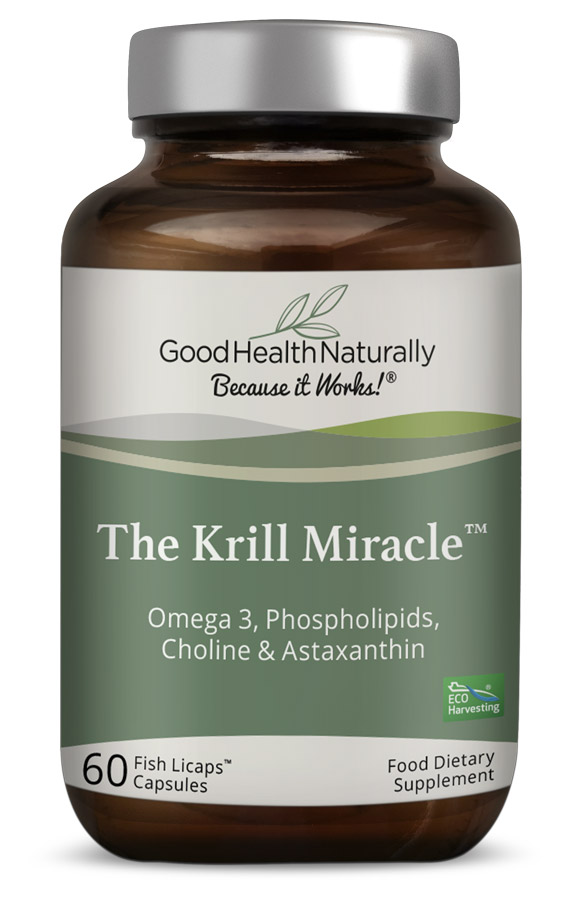
The Krill Miracle™
Omega-3 in phospholipid form, with naturally occurring astaxanthin and choline.
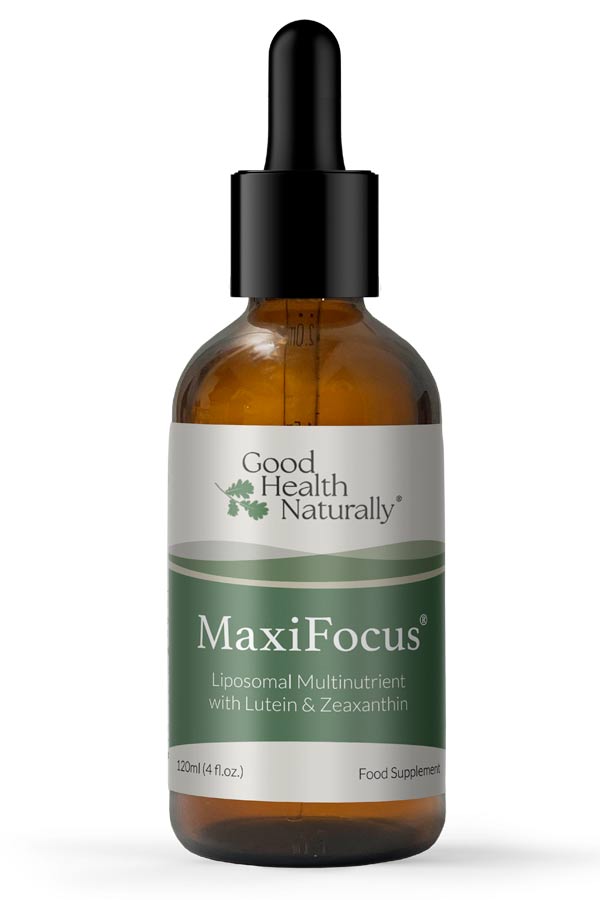
MaxiFocus®
A liposomal formulation combining lutein, zeaxanthin and nutrients studied in relation to visual function.

AstaXanthin with DHA™
Astaxanthin, made from natural microalgae, with plant-source DHA.