

By Lindsay Powers | Nutritional Therapist & Health Writer, Naturally Healthy News
Published: April 2026 | Last reviewed: April 2026
With more of us spending hours each day on phones, laptops, and televisions, it is increasingly important to consider how we protect our eyes from prolonged screen time. Technology has transformed how we live and work, but it is also changing how we use our eyes.
This shift is subtle, but consistent. We are focusing for longer, blinking less, and relying on our vision in ways that were far less common even a decade ago. It is not something most people think about day to day, but it does prompt a useful question: what do our eyes need to function well in a more screen-focused world?
Quick Summary
- Screen time is increasing across all age groups
- Eye strain is no longer limited to older adults
- Nutrients such as lutein and zeaxanthin are gaining attention
- Simple habits may help reduce visual fatigue
How Much Screen Time Are We Really Getting?
There is growing awareness of the need to reduce screen exposure, particularly in the evening. However, in practice, this is not always what happens.
Estimates suggest that many adults now spend between 6 and 10 hours per day looking at screens, whether for work, communication or relaxation. For some, it is considerably more.
As part of the wider conversation around eye health, screen use is just one of several factors that can influence how the eyes function over time. Rather than being an exception, high screen exposure has become part of everyday life.
How Screen Time Contributes to Eye Strain
When it comes to screen time and eye strain, the way the eyes function begins to shift during prolonged use.
One of the most consistent findings is a reduction in blink rate. Research suggests that blinking may decrease significantly when using digital devices, which can affect how the tear film is distributed across the surface of the eye.
This can contribute to:
- Dryness and irritation
- A feeling of tired or heavy eyes
- Blurred or fluctuating vision
At the same time, the eyes are often fixed at a single distance for extended periods. Unlike natural viewing environments, which involve constant variation in focus, screen use places a more sustained demand on the visual system.
This cluster of symptoms is commonly described as digital eye strain.
Reviews published in journals such as the International Journal of Environmental Research and Public Health have highlighted that digital eye strain is now one of the most widely reported visual complaints, particularly among working-age adults.
Blue Light and Eye Health
Another aspect of screen use that receives attention is exposure to blue light.
Digital screens emit visible blue light, which is also present naturally in daylight. The difference lies in the duration and proximity of exposure, particularly during prolonged screen use.
Some laboratory-based studies suggest that high levels of blue light may contribute to oxidative stress in retinal cells. However, it is important to keep this in context. Blue light is a normal part of our environment, and current research in this area continues to evolve.
Rather than focusing on avoidance, the conversation is increasingly shifting towards how the eye naturally manages light exposure.
Nutrients That Support Eye Health
The retina contains naturally occurring compounds that play a role in visual function and light management.
Two of the most widely studied are lutein and zeaxanthin.
These carotenoids are found in high concentrations in the macula, where they contribute to the formation of macular pigment. Their role includes filtering certain wavelengths of light and supporting aspects of visual performance.
Research published in Nutrients has explored how the intake of lutein and zeaxanthin is associated with measures such as contrast sensitivity and visual comfort.
Alongside these:
- Vitamin A contributes to the maintenance of normal vision
- Omega-3 fatty acids, particularly DHA, are involved in the structure of the retina and are often included in approaches supporting eye surface comfort
- Taurine occurs in high concentrations in the retina, where it supports retinal cell function.
A study published in Clinical Interventions in Aging has also explored the role of omega-3 fatty acids in supporting symptoms associated with dry eye.
What is changing is not the role of these nutrients, but the context in which they are considered. Supporting eye health is no longer limited to later life, but is increasingly relevant across all age groups.
Practical Ways to Reduce Eye Strain
Alongside nutrition, there are simple and practical ways to support the eyes during screen use.
The 20-20-20 Rule
Every 20 minutes, look at something in the distance for around 20 seconds. This helps to reset focus and reduce strain.
Blink Awareness
Making a conscious effort to blink more regularly can support tear film stability.
Screen Positioning
Keeping screens at a comfortable distance and slightly below eye level can improve viewing comfort.
Lighting Adjustments
Reducing glare and adjusting brightness to match the surrounding environment may help reduce visual fatigue.
Regular Breaks
Short, regular breaks may be more effective than longer, less frequent ones.
These are small adjustments, but when applied consistently, they can make screen use feel noticeably more comfortable over time.
The Bigger Picture
It would be easy to frame this as a problem caused by technology, but that is only part of the story.
Screens are now part of how we live and work. The more useful perspective is to recognise that our environment has changed faster than our biology.
The eyes are adapting to new demands, but they still rely on the same underlying systems to function well.
Supporting those systems, through both nutrition and daily habits, is a more realistic approach than trying to avoid screen use altogether.
Final Thoughts
The increase in screen time is one of the clearest examples of how modern life is reshaping everyday health, not in dramatic ways, but in subtle, cumulative ones.
The question is not whether we use technology, but how we support the body alongside it.
Because as the environment continues to evolve, so too must our understanding of what the body needs to keep up.
Common Questions About Screen Time and Eye Health
Can screen time damage your eyes permanently?
Current evidence suggests that everyday screen use is unlikely to cause permanent damage in the short term. However, prolonged use may contribute to discomfort, fatigue and symptoms associated with digital eye strain.
What helps reduce eye strain from screens?
Simple measures such as taking regular breaks, adjusting screen brightness, improving lighting and being mindful of blinking can all help reduce visual strain during screen use.
Do blue light glasses make a difference?
Some people report greater comfort when using blue-light-filtering glasses, although research findings are mixed and continue to evolve.
Are there nutrients that support eye health?
Nutrients such as lutein, zeaxanthin, vitamin A and omega-3 fatty acids are commonly studied in relation to visual function and eye health.
Supporting Eye Health in Practice
For those looking to explore this further, certain formulations bring together nutrients commonly studied in relation to visual function.
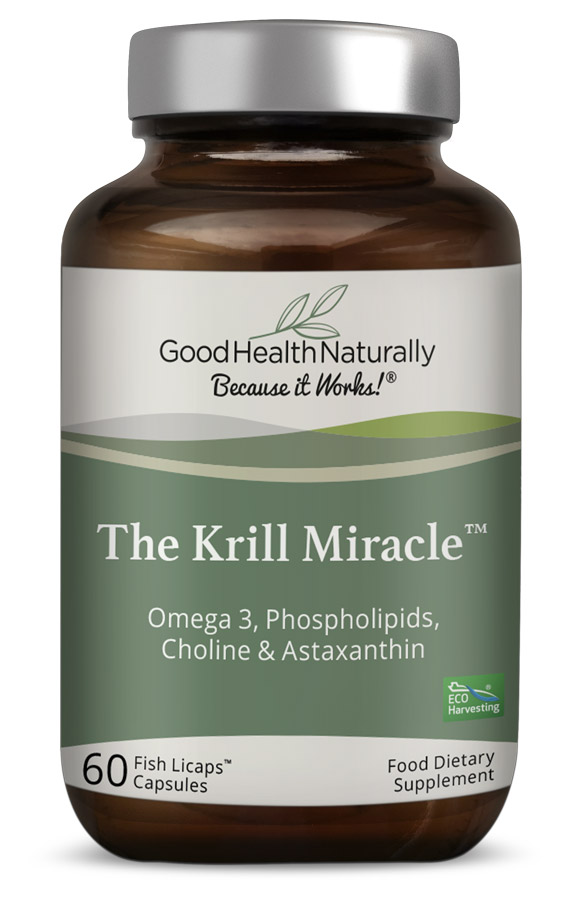
The Krill Miracle™
A source of omega-3 in phospholipid form, naturally containing astaxanthin and choline.

MaxiFocus®
A liposomal formulation combining lutein, zeaxanthin and nutrients studied in relation to visual function.
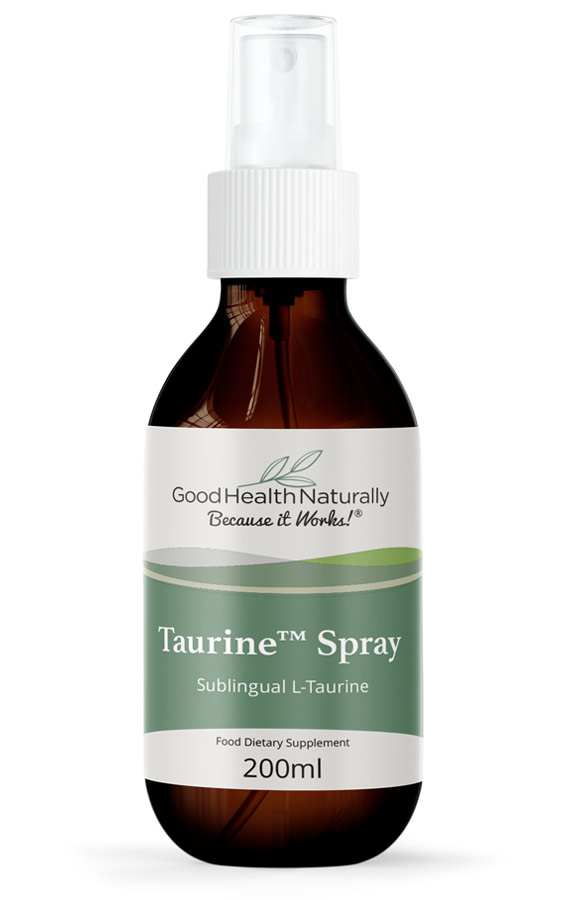
Taurine™ Spray
A liquid format providing taurine, an amino acid found in the retina.