
It’s not unusual to find yourself reaching for something sweet, especially around occasions like Easter when chocolate and treats are everywhere. These moments are often put down to a sweet tooth or lack of willpower, but there is often more going on beneath the surface.
Cravings for sugar are influenced by a combination of biological, behavioural and environmental factors. Understanding these drivers helps explain why certain foods can feel difficult to resist, and how modern eating habits may shape these responses over time.
Quick Summary
• Sugar cravings are influenced by both biological and behavioural factors
• The brain’s reward system plays a key role in our response to sweet foods
• Blood sugar fluctuations may influence appetite and cravings
• Modern food environments can reinforce habitual eating patterns
The Brain and Sweet Taste
Humans are naturally drawn to sweet flavours.
From an evolutionary perspective, sweetness often signalled a source of energy, making it a useful survival trait. While this preference remains, the types of sweet foods available today are very different from those in the past.
When sugar is consumed, it activates reward pathways in the brain. This includes those involving dopamine, a neurotransmitter linked to motivation and reinforcement (helping to drive repeated behaviours). This response can increase the likelihood of the behaviour being repeated, particularly when foods are highly palatable and easy to consume.
Repeated exposure to very sweet foods may also influence how strongly these reward pathways respond over time.
Blood Sugar Fluctuations and Cravings
Changes in blood sugar levels can influence both how we feel and what we want to eat.
Foods high in refined carbohydrates or sugar are often digested quickly, leading to a more rapid rise in blood glucose. This may be followed by a drop in blood sugar levels, which can lead to increased hunger or a renewed desire for quick sources of energy.
These fluctuations interact with hormones involved in appetite regulation and energy balance, which help control hunger and fullness. Over time, patterns of rapid rises and falls in blood sugar may contribute to cycles of craving and eating.
Food Structure and Modern Diets
The way food is processed can influence how it affects appetite. Many modern foods require minimal chewing and are quickly digested, which can affect how fullness signals are triggered. In addition, foods that combine sugar, fat and specific textures are often designed to be highly palatable.
These combinations can encourage faster eating and repeated consumption, particularly when they are easily available. This highlights how food structure, not just nutrient content, plays a role in shaping eating behaviour.
Habit, Environment and Availability
The modern food environment makes sweet foods widely available and often visible. They are frequently associated with reward, celebration or convenience, which can reinforce patterns of behaviour.
Over time, repeated exposure shapes habits, making certain foods feel like a natural response to specific situations such as stress or fatigue.
The Role of the Gut and Appetite Signals
Emerging research is exploring how the gut may influence appetite and food preferences.
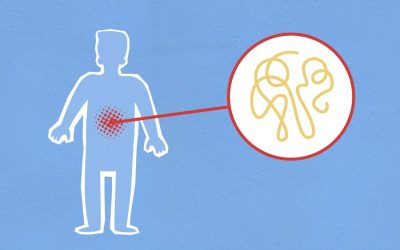
The gut microbiome interacts with the nervous system through what is often referred to as the gut–brain axis. This is a communication pathway linking the digestive system and the brain. This connection may influence signals related to hunger and fullness. Some studies suggest that microbial activity may affect how the body responds to different types of food, although this area is still developing.
Understanding Cravings in Context
Sugar cravings are not the result of a single process, but rather the interaction of multiple systems.
Biology, environment, food structure and habit all contribute to how and when cravings occur. Rather than viewing cravings as a simple lack of control, it can be more helpful to understand them as part of a broader interaction between the body and its surroundings.
Supporting Nutritional Approaches
Nutritional factors also play a role in energy metabolism and blood sugar regulation. For example, B vitamins contribute to normal energy-yielding metabolism. While minerals such as chromium are involved in how the body processes carbohydrates, fats and proteins (macronutrient metabolism). Ensuring adequate intake of these nutrients may help the body process and use energy more efficiently.
For those looking to support these pathways, a comprehensive multinutrient or targeted nutrients like a B-Complex may be considered alongside a balanced diet and lifestyle. In more specific contexts, formulations with Bergamot have also been explored for metabolic health, although diet and lifestyle remain the foundation.
Conclusion
Cravings for sweet foods are shaped by a combination of physiological and behavioural factors. The brain’s reward system, blood sugar responses, food structure and environmental influences all play a role.
Rather than viewing cravings as something to control or avoid, it can be more helpful to understand them as signals shaped by the body and its surroundings. With that perspective, eating patterns begin to make more sense. This is particularly the case in a food environment where sweet options are always within reach, and often designed to be hard to resist.