Thank you! The response to last week’s question, asking what you’d like to see us cover in the next issue of the magazine, absolutely floored me. So many of you took the time to write back and tell me what you’re wondering about, dealing with, or want to understand better, and reading through them has been genuinely moving. A good number of your suggestions, particularly around brain health and healthy ageing, have given us extra inspiration for the final few articles we’re writing for issue 51.
There were so many replies, and so much thoughtful detail in them, that I couldn’t possibly cover them all in one issue. So the rest will feed into research and articles across future issues and newsletters instead. Between you, the range was remarkable: GERD, low pulse rate, sarcopenia, statins, sleep, and even rarer conditions like multiple system atrophy and primary biliary cholangitis. It’s a genuine reminder of how wide-ranging your real health concerns are, and honestly, far more useful than I could have worked out sitting here guessing.
One reply in particular felt like the obvious place to start this week. Helen wrote in asking, “So, what can one do about sarcopenia?”, and given that sarcopenia was exactly what I was describing with my friend’s relative last week, it felt like the natural next thread to pick up rather than starting somewhere new.
While there’s much more to explore on this subject, I wanted to share this article again, as it highlights recent research showing a strong link between krill oil benefits and sarcopenia. You can read the full article here: https://naturallyhealthynews.info/krill-oil-and-sarcopenia-why-muscle-loss-accelerates-with-age/
In the meantime, if it is an area you’ve been thinking about for yourself, here are a few practical places to start:
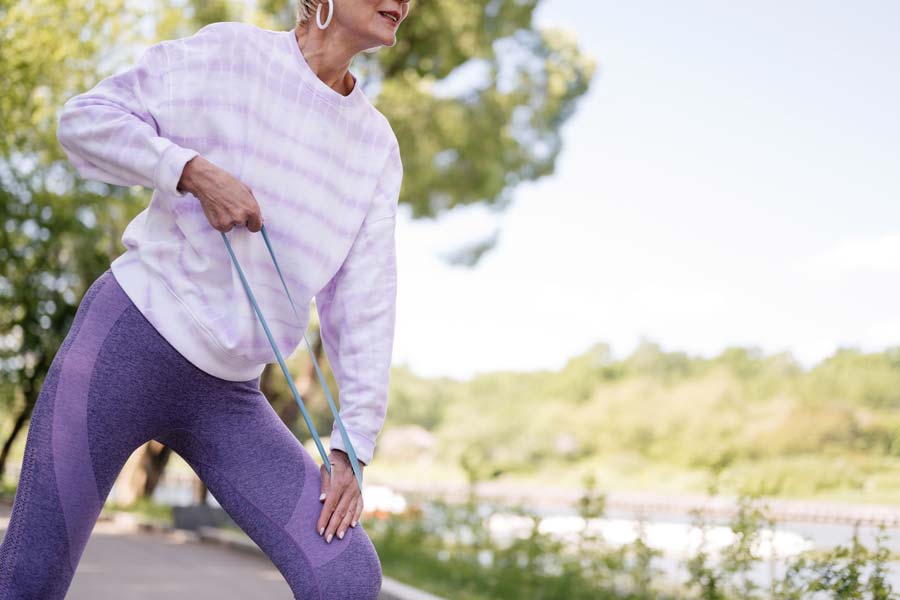
Move in a way that challenges your muscles, and try to do it two to three times a week. Two issues ago, we covered eccentric exercise, chair squats, wall push-ups, walking down rather than up stairs, and these are directly relevant here. Resistance bands, light hand weights, tins of food, or a walk somewhere with a bit of a hill or incline all work too. It’s worth including some balance work as well, particularly as strength and coordination become increasingly important with age. Resistance and strength-based movement is consistently the single biggest lever for preserving muscle as we age.
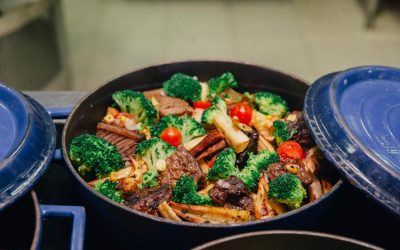
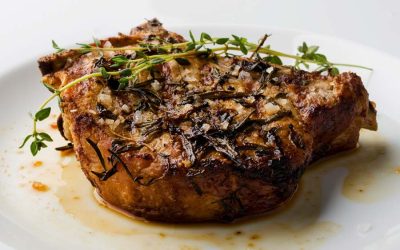
Spread your protein across the day, not just at dinner. Ageing muscle becomes less responsive to protein signals, so it needs a decent hit, roughly 25-30g, at each meal to properly register, rather than one large portion doing all the work. In practical terms, that’s about two eggs with some Greek yoghurt at breakfast, a tin of fish, chicken breast or chunks of tofu at lunch, rather than saving most of your protein for the evening.
Pay attention to inflammation too. Chronic inflammation is one of the underlying drivers of muscle breakdown as we age, so supporting a healthy inflammatory balance is another piece of the picture. Practical steps include oily fish or other omega-3 sources, keeping processed food and sugar to a minimum, and prioritising good-quality sleep, since poor sleep is itself linked to higher inflammation.
None of this needs to be complicated, as small, consistent choices made regularly are what add up over time. And it’s worth saying, this isn’t only relevant once you’re older. Muscle mass quietly starts declining from your thirties onwards, so building these habits in now, whatever your age, pays off long before it becomes a real concern. I hope it gives Helen, and anyone else wondering the same thing, somewhere real to start.