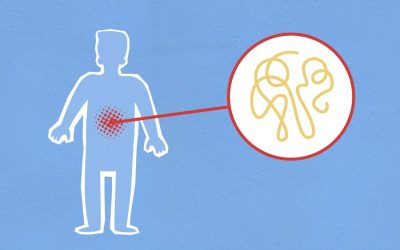

Diet is one of the key lifestyle factors researchers examine when studying inflammation. The foods we eat provide energy as well as a wide range of nutrients and compounds that interact with the body’s metabolic and immune systems.
Researchers increasingly study the relationship between diet and inflammation, particularly in the context of long-term health. Rather than focusing on single foods in isolation, much of this research looks at overall eating patterns and how they relate to immune signalling.
Inflammation is a normal biological response that helps protect the body. For a broader explanation of how inflammatory processes work, see our guide to chronic inflammation and long-term health.
Quick Summary
- Diet provides nutrients and compounds that interact with immune signalling pathways.
- Research suggests that overall dietary patterns may influence inflammatory markers.
- Fibre, plant compounds and dietary fats are areas of ongoing scientific interest.
- Scientists increasingly study diet in relation to the gut microbiome and immune balance.
How Diet Interacts With the Immune System
The immune system responds continuously to signals from the nutrients we consume.
Food does more than supply calories. Nutrients and the bioactive compounds in foods can influence how immune cells function. This includes macrophages, which help detect and clear damaged tissue, and lymphocytes, which coordinate immune responses. These nutrients may also influence how cells transmit signals and how the body regulates energy and metabolic processes.
Some nutrients are also involved in pathways that influence cytokine production, the chemical messengers that help immune cells communicate and coordinate inflammation. These interactions occur at a cellular level and are closely linked to overall metabolic health. They also reflect the close relationship between the immune system and metabolism, sometimes referred to as immunometabolism.
Researchers continue to explore how dietary patterns influence immune signalling pathways, the communication systems used by immune cells, over time.
Dietary Patterns and Inflammatory Markers
Scientists often study overall dietary patterns rather than individual foods.
Many studies examining diet and inflammation focus on overall patterns of eating rather than isolated nutrients. This reflects the complexity of real-world diets, where foods are consumed together and may interact in different ways.
For example, research on Mediterranean-style dietary patterns has examined their relationship with inflammatory markers, such as C-reactive protein (CRP), a blood marker commonly used to reflect levels of inflammation in the body.
Some studies, including large reviews published in journals such as Nutrients, have explored this relationship in more detail.
Researchers have observed associations between this type of dietary pattern and lower levels of these blood markers, although findings vary depending on study design and population.
In research settings, this type of dietary pattern is characterised by a higher intake of vegetables, legumes, whole grains, olive oil and fish. Scientists use this model to explore how combinations of foods, rather than individual nutrients, may interact with inflammatory processes in the body.
In contrast, dietary patterns characterised by a higher intake of heavily processed foods, refined carbohydrates and added sugars have been associated, in some observational studies, with more adverse changes in inflammatory signalling.
Overall, research suggests that broader dietary patterns may influence immune responses, although scientists continue to investigate the underlying mechanisms.
The Role of Fibre and the Gut Microbiome
Fibre plays a key role in linking diet, gut health and immune function.
Dietary fibre, found in plant foods such as vegetables, fruits, legumes and whole grains, is not fully digested in the small intestine. Instead, it reaches the large intestine, where it is fermented by gut bacteria.
This process produces short-chain fatty acids, such as butyrate, small compounds produced when gut bacteria break down fibre.
Research, including reviews in journals such as Nature Reviews Immunology, has explored how these compounds may support gut barrier function and interact with immune cells.
These compounds may also influence regulatory immune cells, which help maintain balance within the immune system.
The gut microbiome itself has become a major area of research in recent years. Scientists are exploring how the balance and diversity of gut microbes may influence immune signalling and inflammatory processes. We explore this further in our article on gut health and inflammation.
As a result, fibre intake and overall dietary patterns are considered important factors in supporting gut and immune health.
Polyphenols and Plant Compounds
Plant foods contain a wide range of bioactive compounds that are actively being studied.
Polyphenols, a group of plant compounds found in colourful fruits, vegetables, and beverages such as tea, as well as compounds like curcumin from turmeric, are naturally occurring substances that contribute to the colour, flavour, and protective properties of plants.
Research has explored how polyphenols may interact with cellular signalling pathways and oxidative processes within the body. Some studies suggest that these compounds may influence how immune cells respond to different signals, particularly in relation to inflammatory pathways.
In addition, polyphenols may interact with the gut microbiome, where they can be metabolised into other biologically active compounds.
This area of research is still developing, but it highlights the complexity of the relationship between diet and immune function.
Types of Dietary Fat and Inflammation
Different types of dietary fat may influence immune signalling in distinct ways.
Fats are an essential part of the diet and play a role in many physiological processes, including cell membrane structure and hormone production.
Certain fatty acids, including omega-3 fatty acids found in oily fish and some plant sources, have been widely studied for their role in inflammatory pathways. These fats help produce signalling molecules that regulate immune responses, including those involved in the resolution of inflammation, the process that helps switch inflammatory responses off.
Other types of dietary fat, such as omega-6 fatty acids, are also being studied in relation to inflammation. These fats are involved in pathways that can contribute to inflammatory signalling, although their effects appear to depend on overall dietary balance and context.
For example, researchers often examine the balance between omega-3 and omega-6 fatty acids when studying dietary patterns and inflammatory processes, rather than considering these fats in isolation.
Researchers continue to investigate how different types of fat interact with metabolism and immune regulation over time.
Understanding Diet in the Wider Context of Health
Diet is only one part of a broader lifestyle picture.
While diet plays an important role in shaping metabolic and immune processes, it does not act in isolation. Other factors, including physical activity, sleep and stress, also influence how the body regulates inflammation.
For this reason, many researchers emphasise the importance of looking at overall lifestyle patterns rather than focusing on individual nutrients or foods alone.
Current evidence suggests that a balanced dietary pattern, combined with other supportive lifestyle behaviours, may help maintain normal immune function and metabolic balance.
Conclusion
Diet is a complex and important factor in the study of inflammation. The foods we eat provide a wide range of nutrients and bioactive compounds that interact with immune signalling, metabolism and the gut microbiome.
Research suggests that overall dietary patterns may influence inflammatory processes in the body, although scientists continue to investigate how these relationships work in detail. Fibre, plant compounds and dietary fats are among the key areas of interest in current research.
Understanding how diet interacts with the body’s natural inflammatory responses provides valuable insight into the broader relationship between nutrition and long-term health.
Further Reading
Mediterranean diet and inflammation (review – Nutrients)
Gut health and immune regulation (review – gut microbiota research)
Mediterranean diet and inflammatory markers (clinical/observational context)
Recommended Products