By Lindsay Powers | Nutritional Therapist & Health Writer, Naturally Healthy News
Published: July 2026 | Last reviewed: July 2026
What you eat has a direct and well-documented relationship with how well your eyes function, both now and as you get older. While genetics and ageing play a role in vision, foods for eye health, such as leafy greens, oily fish and colourful vegetables, supply the specific nutrients the retina relies on to work properly. Understanding which foods matter, and why, makes it much easier to build a diet that genuinely supports your eyesight over the long term.
This guide looks at the nutrients most closely linked to vision, the foods that supply them, and how to bring them together in a practical, everyday way. For a broader look at how ageing, lifestyle and screen use also shape eye health, see our full guide to Eye Health and Vision Support.
Quick Summary
- Certain foods supply nutrients the retina depends on to function well
- Lutein and zeaxanthin, found in leafy greens and eggs, concentrate in the macula
- Oily fish and omega-3s support tear film quality and long-term retinal health
- Vitamin C, vitamin E and zinc are linked to slower progression of age-related eye conditions
- Combining these foods with healthy fats improves how well the nutrients are absorbed
Why Diet Matters for Eye Health
The retina is one of the most metabolically active tissues in the body, and it relies on a steady supply of specific nutrients to keep functioning well. The body cannot produce many of these nutrients, including certain carotenoids and fatty acids, so they must come from food.
Diet will not undo every change that comes with age. However, a consistent pattern of eating the right foods has been linked to better outcomes for conditions such as age-related macular degeneration and dry eye, and to fewer everyday symptoms like glare sensitivity and visual fatigue. [1][2]
Leafy Greens and Eggs: Lutein and Zeaxanthin Foods
Lutein and zeaxanthin are plant pigments that the body concentrates almost exclusively in the macula. This is the part of the retina responsible for sharp, detailed vision. They act as a natural filter for blue light and help protect retinal cells from oxidative stress. [1]
Good dietary sources include:
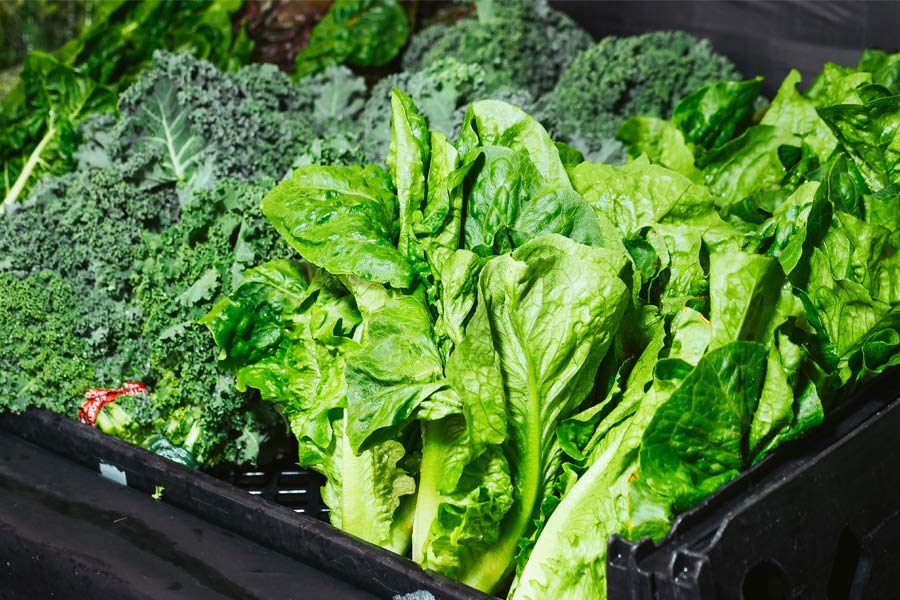
- Spinach, kale and other dark leafy greens
- Broccoli and peas
- Egg yolks
- Sweetcorn and orange or yellow peppers
Research suggests that meaningful increases in macular pigment tend to come from consistent, higher intakes over time rather than occasional servings. This is why regular inclusion matters more than any single meal. [2]
Oily Fish: Omega-3 Foods for Eye Health
DHA, an omega-3 fatty acid, is a major structural component of the retina, and research links adequate intake to better tear film stability and reduced symptoms of dry eye. [3]
Helpful sources include:
- Salmon, mackerel and sardines
- Walnuts and chia or flax seeds
- Algae-based omega-3 supplements for those who don’t eat fish
Aiming for oily fish two to three times a week is a reasonable, evidence-informed target for most adults.
Vitamin C, Vitamin E and Zinc: Foods for Macular Degeneration
This trio of nutrients formed the basis of the well-known AREDS trials. These studies found that a combination of vitamins C and E, beta-carotene and zinc slowed the progression of age-related macular degeneration in people who already had signs of the condition. [4]
Rather than relying on supplements alone, you can build these nutrients into meals through:
- Citrus fruits, berries and peppers (vitamin C)
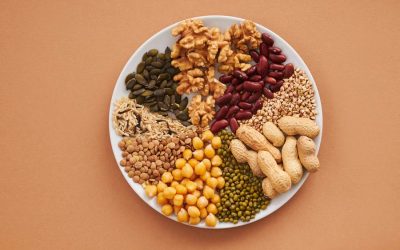
- Nuts, seeds and vegetable oils (vitamin E)
- Shellfish, beef, pumpkin seeds and legumes (zinc)
If you have an existing eye condition, it’s worth discussing supplementation specifically with your ophthalmologist, since the doses used in clinical trials are often higher than what a typical diet provides.
Vitamin A Foods for Eyes and Night Vision
Vitamin A is essential for producing rhodopsin, the pigment in the retina that allows the eyes to adjust to low light. A lack of vitamin A is a well-established cause of night blindness and, in more severe cases, more serious damage to the surface of the eye. [5]
Good sources include:
- Sweet potato and carrots
- Liver, in moderation
- Eggs and dairy products
- Dark leafy greens, which supply beta-carotene, a precursor the body converts into vitamin A
Other Nutrients Worth Knowing About
Taurine, an amino acid found in seafood and meat, is another nutrient with a strong link to retinal health. Its role is significant enough that we’ve covered it in detail in a separate article: Taurine For Eye Health: How This Amino Acid Supports Vision.
Putting it Together: The Best Foods for Healthy Vision
Lutein, zeaxanthin and vitamin A are fat-soluble, which means they’re absorbed far more efficiently when eaten alongside a source of healthy fat. A spinach salad with olive oil, or eggs cooked in butter, will generally offer better nutrient uptake than the same ingredients eaten without any fat at all.
A simple, practical approach is to build meals around a base of vegetables (particularly leafy greens and orange or yellow produce), include a portion of oily fish a few times a week, and use nuts, seeds or olive oil as your everyday fat source. None of this requires special ingredients or complicated planning, just a consistent pattern over time.
Frequently Asked Questions
What are the best foods for eye health?
Leafy greens, eggs, oily fish, citrus fruits, nuts and orange or yellow vegetables such as carrots and sweet potatoes are among the most consistently studied foods for supporting vision. Together they supply lutein, zeaxanthin, omega-3 fatty acids, vitamin C, vitamin E, zinc and vitamin A.
Can diet alone prevent eye conditions like macular degeneration?
Diet is one of several contributing factors, alongside genetics, smoking status and overall health. It won’t guarantee prevention, but a consistent diet rich in the nutrients covered above has been linked to a reduced risk of certain conditions and, in some cases, slower progression once a condition is present.
How quickly can eating better foods improve eye health?
Some nutrients, such as lutein and zeaxanthin, take weeks to months of consistent intake before measurable changes in macular pigment are seen. This is a long-term dietary pattern rather than a quick fix, which is why regular, everyday inclusion matters more than short-term changes.
Do I need supplements, or is food enough?
For most people without a diagnosed eye condition, a varied diet that regularly includes the foods above is sufficient. Supplements, particularly at the doses studied in trials like AREDS, are generally helpful for people who already have signs of age-related eye disease, and should be discussed with an eye care professional. However, due to changes in vision habits and prolonged screen time, or if dietary intake of key nutrients is low, many people are using supplements alongside their diet to support long-term eye health.
Final Thoughts on Diet and Eye Health
Supporting your vision through food doesn’t require an overhaul of how you eat. Building meals around leafy greens, oily fish, colourful vegetables and healthy fats gives your eyes consistent access to the nutrients they rely on. It’s a pattern that pays off gradually over years rather than days.
Diet is only one part of the picture. Daily habits like screen use also play a significant role in day-to-day visual comfort, and it’s worth reading our guide on screen time and digital eye strain alongside this one.
References
[1] PMC3705341 — Dietary Sources of Lutein and Zeaxanthin Carotenoids and Their Role in Eye Health: https://pmc.ncbi.nlm.nih.gov/articles/PMC3705341/
[2] PubMed 34157098 — The Effect of Lutein/Zeaxanthin Intake on Human Macular Pigment Optical Density: A Systematic Review and Meta-Analysis: https://pubmed.ncbi.nlm.nih.gov/34157098/
[3] PMID 38002640 — Efficacy of Omega-3 Intake in Managing Dry Eye Disease: A Systematic Review and Meta-Analysis of Randomized Controlled Trials: https://pubmed.ncbi.nlm.nih.gov/38002640/
[4] PMID 11594942 — AREDS Report No. 8: Randomised, Placebo-Controlled Trial of Vitamins C and E, Beta Carotene, and Zinc for AMD: https://pubmed.ncbi.nlm.nih.gov/11594942/
[5] StatPearls NBK431094 — Xerophthalmia (Vitamin A Deficiency): https://www.ncbi.nlm.nih.gov/books/NBK431094/
Disclaimer: The information in this article is intended for general informational purposes only and does not constitute medical advice. It is not a substitute for professional medical advice, diagnosis, or treatment. Always seek the advice of your GP or a qualified healthcare provider with any questions you may have regarding a medical condition. Never disregard professional medical advice or delay seeking it because of something you have read here.