A couple of weeks ago, so many of you wrote in to share what matters most about ageing well. Mobility came up again and again. So did memory. Energy. And the quiet determination to stay independent for as long as possible.
Last week I shared those responses, and one reader in particular stayed with me. Eileen, now in her 80s, mentioned gardening almost in passing, alongside line dancing and keeping active, as part of how she continues to participate fully in life.
It got me thinking, and with the garden calling at this time of year, it felt like the right moment to look into it properly. And even if you don’t have a garden, don’t worry, I’ve explored that too. Because the more I looked into it, the more I realised gardening may be one of the most underrated things you can do for your health, particularly as you get older.
It Counts As Real Exercise (Even If It Doesn’t Feel Like It)
One of the most common barriers people mention when it comes to staying active is that formal exercise can feel like a chore. The gym, the routine, the effort of getting there.
What gardening offers is something different: meaningful physical activity built into something you actually want to do.
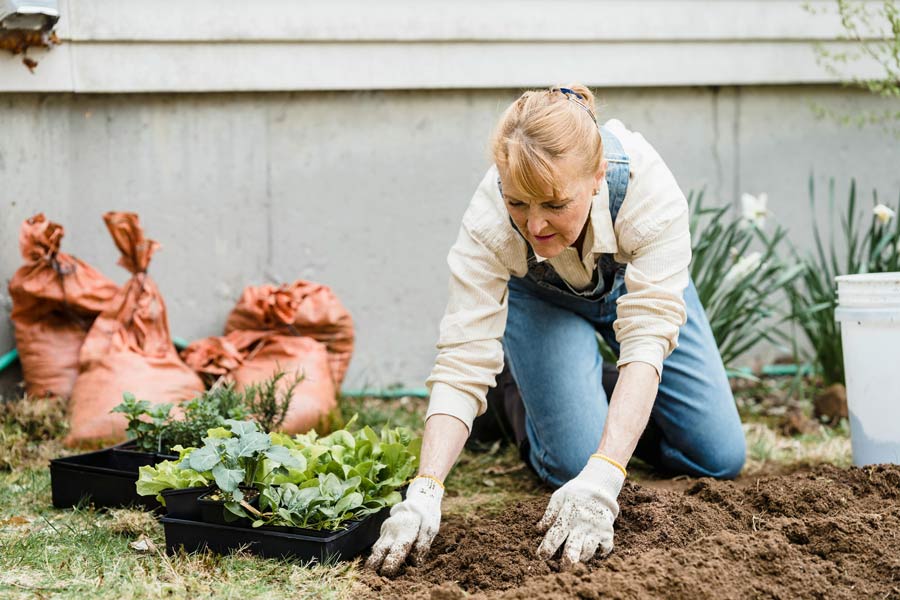
Digging, planting, weeding, carrying, kneeling and getting back up again, these movements build strength, improve balance and develop the kind of real-world endurance that supports independence as we age. It is the sort of functional movement that your body genuinely benefits from, without it ever feeling like a workout.
For those who find formal exercise difficult or unappealing, this distinction matters enormously.
We have explored creatine separately as another nutrient increasingly being discussed for strength and muscle maintenance as we age, and you can revisit this topic here: Creatine Isn’t Just for the Gym Anymore
What It Does to Stress, and Why That Matters
There is something about being in a garden that shifts the body into a different state almost immediately.
Research has found that spending time outdoors among plants and soil lowers stress hormones and encourages the body to shift from a state of alertness to a calmer, more restorative state. Mood tends to lift. Mental clarity often follows.
This is not simply a matter of enjoying pleasant surroundings. The body is responding at a biological level to an environment it appears to find deeply familiar.
Given how much we now know about the damaging effects of chronic stress on long-term health, from cardiovascular function to immune resilience and sleep quality, this calming effect may be more significant than it first appears.
The Brain Benefits Are Particularly Striking
For those of you who mentioned memory and staying mentally sharp as a concern, this is perhaps the most interesting part.
Regular gardening has been linked in research to better memory, sharper thinking and greater cognitive resilience as we age. The reason appears to be that gardening engages multiple brain functions simultaneously, planning, problem-solving, spatial awareness, sensory attention and learning, in a way that few other activities do.
There is also something happening at a biological level. Exposure to soil, fresh air and natural 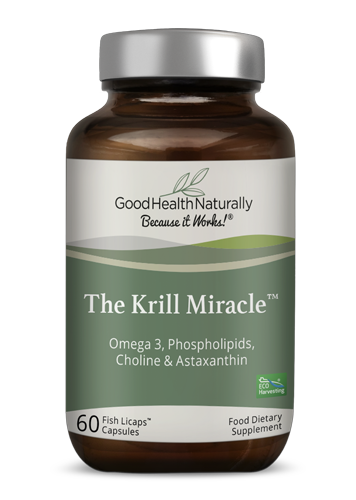 environments appears to support healthy blood flow to the brain and may encourage the production of compounds involved in memory and learning.
We have looked before at how omega-3 fats, particularly those found in krill oil, are increasingly being discussed in the context of brain health and healthy ageing. Gardening works on some of those same pathways, simply through movement, attention and time outdoors.
Growing Your Own Food Has an Extra Benefit
There is one more angle worth mentioning. Those who grow even small amounts of their own food tend to eat more of it.
Fresh vegetables picked from the garden and eaten the same day retain far more of their nutritional value than produce that has spent days in transit and storage. And the simple act of having grown something yourself appears to make people more inclined to eat it, more often.
For anyone interested in improving diet quality in a way that feels genuinely enjoyable rather than prescriptive, this is worth keeping in mind.
What If You Don’t Have a Garden?
Not everyone does, and this came to mind when thinking about how varied your situations are.
The good news is that the benefits are not limited to those with outdoor space. A windowsill, a balcony or even a small collection of houseplants can offer many of the same rewards.
Indoor growing, herbs on the kitchen windowsill, tomatoes on a sunny balcony, a few pots of salad leaves, still involves the same meditative, hands-on engagement with living plants. It still encourages you to eat what you grow. And there is good evidence that even indoor plants have a measurable effect on mood, air quality and a sense of calm in the home.
Community gardens and allotments are another option well worth exploring if outdoor growing appeals but space is limited. Many towns and cities have them, and they offer the added benefit of social connection, something that came through quietly but repeatedly in your replies two weeks ago as part of what makes life feel worth living.
A Thought Before Next Week
Jean, who wrote in two weeks ago, put it beautifully when she said that maintaining independence might be the thread that holds everything else together.
Gardening, in its quiet way, seems to support almost every part of that. Strength. Balance. Memory. Mood. Diet. Connection to the seasons and to other people.
Perhaps it is not such a surprising medicine after all.
As always, if this resonated with you, or if you have your own experience of gardening and health you would like to share, hit reply. I read every message.