
By Lindsay Powers | Nutritional Therapist & Health Writer, Naturally Healthy News
Published: January 2026 | Last reviewed: August 2026
Nutrition plays a central role in shaping healthspan, which is why interest in krill oil and healthy ageing has grown in recent years. Healthy ageing is about more than simply living longer. It is about maintaining physical strength, mental clarity and independence for as many years as possible.
While life expectancy has risen dramatically over the past century, many people now spend a significant portion of later life managing reduced mobility, chronic inflammation, fatigue or cognitive changes. This gap between lifespan and wellbeing is often described as healthspan, meaning the number of years lived in good health rather than simply surviving.
What the body is exposed to over decades influences how cells function, repair themselves and respond to stress. Nutrients that support cellular resilience, particularly omega-3 fatty acids delivered in biologically active forms, are increasingly being studied for their role in long-term vitality. This is where interest in krill oil and healthy ageing as part of a nutritional strategy has grown.
Quick Summary
- Healthy ageing is about healthspan, staying strong, clear-minded and independent, not just living longer
- Ageing begins at the cellular level, driven by oxidative stress, inflammation and mitochondrial decline
- Krill oil delivers omega-3s in a phospholipid-bound form, the same structural component as cell membranes
- Its natural choline content works alongside omega-3s to support both brain and muscle cell function
- It’s studied across muscle, brain and joint health, but works best alongside movement, protein and sleep, not in isolation
What Is Healthy Ageing?
Healthy ageing refers to maintaining physical strength, mental clarity and independence for as long as possible, rather than simply extending lifespan. It focuses on preserving mobility, cognitive function, metabolic health and resilience over time.
Rather than reacting to symptoms later in life, a healthspan-focused approach aims to support the body long before decline becomes visible.
Ageing Begins with Our Cells
Ageing does not suddenly begin in later life. It starts quietly at the cellular level, often decades earlier.
Researchers now recognise several biological processes that drive ageing, including:
- Increased oxidative stress
- Chronic low-grade inflammation
- Mitochondrial dysfunction
- Reduced cellular repair capacity
- Changes in membrane fluidity and signalling
These processes affect tissues with high energy demands most profoundly, including muscle, brain, joints and the cardiovascular system.
Importantly, many of these mechanisms are influenced by lifestyle and nutrition. Nutrients that support cell membranes, mitochondrial activity and inflammatory balance may therefore have wide-reaching effects on how the body ages.
Why Omega-3s Are Central to Healthy Ageing
Omega-3 fatty acids, particularly EPA and DHA, have been studied extensively in relation to heart, brain, joint and metabolic health. Yet intake remains low in many populations, especially among older adults.
Omega-3s influence:
- Cell membrane flexibility and signalling
- Inflammatory pathways
- Blood flow and endothelial function
- Mitochondrial efficiency
- Muscle protein synthesis
- Neurological communication
Higher omega-3 status is associated with better cardiovascular outcomes, improved physical function and markers linked to longevity.
Emerging research also suggests that omega-3s may influence biological ageing by helping to regulate oxidative stress and the inflammatory burden. These mechanisms help explain why omega-3 intake is often linked to greater physical resilience later in life.
Why Choline Matters More With Age
Choline is an essential nutrient involved in cell membrane structure, fat metabolism and neurotransmitter production. Despite its importance, many people fail to meet recommended intakes.
As the body ages, choline demand may increase, particularly in relation to brain health. Choline supports the production of acetylcholine, a neurotransmitter involved in memory, focus and muscle activation.
Long-term observational data suggest that higher choline intake is associated with better cognitive outcomes in older populations.
What is often overlooked is how closely choline and omega-3s work together at a structural level. Choline forms the head group of phospholipids, the same compounds that make up human cell membranes. This means choline is not simply a standalone nutrient but part of the very architecture that allows fats like DHA and EPA to be embedded into cells.
This structural relationship helps explain why phospholipid-bound omega-3s, such as those found in krill oil, which naturally contain choline, are often discussed in the context of cellular resilience and long-term vitality.
Why the Form of Omega-3 Matters
Not all omega-3 supplements behave the same way in the body.
The molecular form in which EPA and DHA are delivered influences how efficiently they are absorbed and incorporated into tissues. Krill oil naturally provides omega-3s bound to phospholipids, the same structural components that make up human cell membranes.
Phospholipids contain a choline-based head group, which plays a central role in membrane structure and cellular signalling. This means krill oil delivers omega-3s in a form the body already recognises and uses as part of its own cellular architecture.
This matters because nutrients delivered in biologically familiar forms are often more readily utilised.
Phospholipid-bound omega-3s integrate directly into cell membranes across tissues, including muscle, brain and joints. This may help explain why krill oil can meaningfully raise omega-3 status at relatively modest doses.
Muscle Loss, Sarcopenia and Ageing
Loss of muscle mass and strength, known as sarcopenia, begins earlier than many people realise. Without active maintenance, muscle tissue gradually declines from mid-life onwards.
This affects:
- Balance and coordination
- Metabolic health
- Insulin sensitivity
- Bone strength
- Long-term independence
Muscle is not simply about strength or appearance. It is a metabolically active tissue that plays a key role in healthy ageing.
Clinical research suggests that krill oil supplementation may support muscle strength and function in older adults, alongside improvements in omega-3 index levels. These findings point towards improved muscular resilience rather than short-term symptom relief.
Age-related muscle loss, known as sarcopenia, is explored in more detail in our article on krill oil and sarcopenia.
Weight Loss, Body Composition and Ageing
Weight loss is often promoted as universally beneficial. However, when muscle is lost alongside fat, the result can be increased frailty and reduced metabolic resilience.
Body composition matters far more than the number on the scale.
Emerging evidence suggests that krill oil may support fat loss while helping preserve lean tissue. This distinction becomes increasingly important with age, when maintaining strength is essential for mobility and independence.
For a deeper look at this topic, see our article on krill oil and muscle preservation during weight loss, which explores body composition and lean mass in more detail.
Joint Health and Long-Term Mobility
Joint discomfort is one of the most common reasons people reduce physical activity as they get older. Unfortunately, reduced movement then accelerates muscle loss, stiffness and metabolic decline.
Omega-3s have long been studied for their role in inflammatory modulation. Krill oil, in particular, has been associated with improvements in joint comfort and physical function in individuals with elevated inflammatory markers.
Maintaining joint mobility is not simply about comfort. It enables regular movement, which in turn supports cardiovascular health, muscle preservation and mental wellbeing.
What Preclinical Research Tells Us About Ageing Mechanisms
Animal and cellular studies provide insight into how nutrients influence ageing pathways long before clinical symptoms appear.
Preclinical research on krill oil has shown effects on:
- Oxidative stress regulation
- Mitochondrial function
- Cellular senescence
- Inflammatory signalling
While these findings do not replace human trials, they help explain why benefits may appear across multiple body systems rather than in isolated outcomes.
Brain Health and Phospholipid Delivery
The brain is particularly rich in phospholipids. DHA, one of the primary omega-3 fats, is a major structural component of neuronal membranes.
How omega-3s are delivered matters. Phospholipid-bound forms, such as krill oil, may support more efficient incorporation into brain tissue. This can influence membrane fluidity, neurotransmitter signalling and antioxidant defences.
These mechanisms become increasingly important with age, particularly in relation to memory, learning and cognitive resilience.
Healthy Ageing Is Cumulative, Not Corrective
Healthy ageing is not something that can be fixed later. It is shaped gradually through consistent choices over time.
Nutrients that support cell membranes, mitochondrial health, inflammation balance and muscle metabolism work best when combined with:
- Regular movement
- Adequate protein intake
- Quality sleep
- Stress regulation
Krill oil is not a solution in isolation. However, its unique combination of phospholipid-bound omega-3s and naturally occurring choline makes it a compelling area of research within the wider healthy ageing conversation.
Frequently Asked Questions
What is healthspan, and how is it different from lifespan?
Lifespan is simply how long someone lives. Healthspan is the portion of that life spent in good health, physically strong, mentally clear and independent, rather than managing chronic illness or reduced mobility. Healthy ageing strategies focus on extending healthspan, not just lifespan.
Why is krill oil discussed differently from standard fish oil in ageing research?
Krill oil delivers its omega-3s (EPA and DHA) bound to phospholipids, the same structural components that make up human cell membranes, rather than the triglyceride form found in most fish oil. It also naturally contains choline and astaxanthin. This combination is why it’s studied specifically for cellular and membrane-related aspects of ageing, rather than purely as a general omega-3 source.
What role does choline play as we age?
Choline supports cell membrane structure, fat metabolism and the production of acetylcholine, a neurotransmitter involved in memory, focus and muscle activation. Choline demand may increase with age, particularly for brain health, and it works structurally alongside omega-3s since it forms part of the phospholipid architecture that allows DHA and EPA to be incorporated into cells.
Does krill oil support brain health as well as muscle health?
Research suggests krill oil’s phospholipid-bound form may support efficient incorporation of DHA into brain tissue, since the brain is particularly rich in phospholipids. This is being studied in relation to membrane fluidity, neurotransmitter signalling and cognitive resilience, alongside its studied effects on muscle strength and function.
Is krill oil enough on its own to support healthy ageing?
No. Krill oil is being studied as one part of a broader approach to healthy ageing, alongside regular movement, adequate protein intake, quality sleep and stress management. No single nutrient addresses the many mechanisms involved in ageing on its own.
Final Thoughts
Ageing is unavoidable. Loss of vitality does not have to be.
Supporting healthspan means working with the body at a cellular level long before any decline becomes visible. By prioritising nutrient quality, bioavailability and long-term resilience, it becomes possible to remain strong, mobile and mentally engaged for longer.
This is why interest in krill oil and healthy ageing continues to grow, not as a quick fix, but as part of a broader, evidence-informed approach to longevity.
Disclaimer: The information in this article is intended for general informational purposes only and does not constitute medical advice. It is not a substitute for professional medical advice, diagnosis, or treatment. Always seek the advice of your GP or a qualified healthcare provider with any questions you may have regarding a medical condition. Never disregard professional medical advice or delay seeking it because of something you have read here.
Our Recommendations
Naturally Healthy News is part of the Good Health Naturally family of brands.
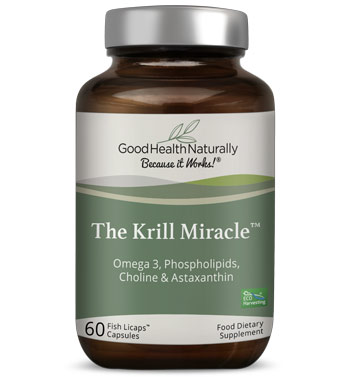
The Krill Miracle is a phospholipid-bound krill oil supplement, the same form of omega-3 discussed throughout this article, available from Good Health Naturally.