By Lindsay Powers | Nutritional Therapist & Health Writer, Naturally Healthy News
Published: March 2024 | Last reviewed: October 2026
Menopause is a milestone, and the years that follow bring changes to bones, muscles, the heart, the bladder, and more. Diet, activity and supplements are often suggested to help, but the evidence behind that advice varies widely.
This guide has been fully updated for October 2026, which is Menopause Awareness Month. World Menopause Day falls on 18 October, and the International Menopause Society has chosen “chronic pain at midlife” as its theme for 2026.[1] The guide therefore now includes a section on joint and muscle pain, alongside the latest evidence on diet, bone and heart health, and supplements. It also says plainly where the evidence is limited.
Quick Summary
- Bone loss speeds up after the menopause, and heart disease risk also rises, but both are influenced by diet and lifestyle.
- Muscle or joint pain appears more common during and after the transition, at around 57% to 59% compared with 40% beforehand.
- Strength training, enough protein, fibre, calcium and vitamin D have the most support.
- Evidence for many popular supplements is limited or mixed, and shop doses often differ from trial doses.
What changes in the body after the menopause?
Oestrogen levels fall during the menopause transition, and the effects reach well beyond hot flushes. The NHS lists loss of bone density, which can lead to osteoporosis, and more frequent urinary tract infections (UTIs) among the possible consequences.[2]
The British Heart Foundation reports that the risk of coronary heart disease is generally lower in women before the menopause and increases afterwards. Cholesterol typically rises, and many women report weight gain around the waist.[3]
Alzheimer’s Research UK states that the menopause does not directly cause dementia, and that HRT should be used to manage menopausal symptoms, not to prevent dementia.[4] Many of the other risks can be influenced by diet and lifestyle, as the sections below explain.
Which foods support health at menopause?
Fibre and plant foods
UK guidance recommends 30g of fibre a day, yet average intakes are only around 16 to 20g. Higher-fibre diets are linked to a lower risk of cardiovascular disease, type 2 diabetes and bowel cancer. Some fibres, such as the beta-glucans in oats, can help lower LDL (“bad”) cholesterol.[5]
The NHS advises at least five portions of a variety of fruit and vegetables every day, with each portion being 80g.[6] Eating a range of colours is a practical way to achieve variety, and filling half the plate with vegetables makes the target easier to reach.
Protein
Muscle mass tends to decline with age, so protein matters more at this stage of life. A 2024 narrative review concluded that postmenopausal women should eat at least 0.8g of protein per kilogram of body weight daily. It noted that some expert groups advocate 1.0 to 1.2g/kg for older people. It also suggested spreading protein across meals, with 30 to 40g per eating occasion proposed for older adults.[7]
The review described the evidence as weak. Observational studies link higher protein intake with better muscle strength, but trials gave conflicting results, and benefits appeared greater alongside resistance training.[7] Good sources include fish, poultry, eggs, dairy, beans, lentils and tofu. Speak to a GP before increasing protein if you have kidney disease.
Phytoestrogen foods
Phytoestrogens are plant compounds with a structure similar to oestrogen, though they act far more weakly. Soya foods, such as tofu, tempeh, miso and edamame, and flaxseed contain them. Isoflavones are the main type in soya.
For cholesterol, a 2021 meta-analysis of 29 randomised trials in 2,305 postmenopausal women found a small fall in total cholesterol of 0.12mmol/L. Changes in LDL cholesterol and triglycerides were not statistically significant.[8]
For bone, a 2022 meta-analysis pooled 18 trials with 2,350 postmenopausal women taking an average of 106mg of isoflavones a day for 6 to 24 months. Lumbar spine bone density was around 1.6% higher. However, the femoral neck (top of the thigh bone) result lost significance when outlying studies were removed, and the review measured bone density, not fractures.[9] The evidence is mixed, so soya is best seen as part of a bone-friendly diet, not a treatment for bone loss.
For menopausal symptoms, Women’s Health Concern, the patient arm of the British Menopause Society, describes results with isoflavones as variable, and advises that they are not recommended after breast cancer.[10]
How can I look after my bones?
The NHS explains that oestrogen is essential for healthy bones, and that its decline after the menopause can lead to a rapid decrease in bone density.[11] The Royal Osteoporosis Society states that bone changes happen more rapidly in the decade after periods stop, bringing a greater risk of fractures.[12]
Calcium and vitamin D
The NHS advises adults to get 700mg of calcium a day, which a balanced diet should provide. Dairy products, kale, okra, fortified breads, calcium-enriched soya drinks and fish with edible bones are reliable sources. Spinach contains calcium, but the body cannot absorb it all. More than 1,500mg a day may cause stomach discomfort.[13]
Vitamin D helps regulate calcium and phosphate, which keeps bones and muscles healthy. The NHS recommends 10 micrograms daily. Most people make enough from sunlight between late March and the end of September, so it advises considering a daily supplement in autumn and winter, and no more than 100 micrograms a day.[14]
Exercise, alcohol and smoking
The NHS recommends at least two and a half hours of moderate aerobic activity weekly, plus muscle-strengthening activities at least twice a week. Weight-bearing exercise, such as brisk walking, running or dancing, and resistance training are especially beneficial for bone density. It also advises not smoking and limiting alcohol to 14 units a week.[15]
Is joint and muscle pain linked to the menopause?
How common is it?
A 2026 systematic review and meta-analysis pooled 37 observational studies covering 93,021 women in 22 countries.[16] It estimated that 40% of premenopausal women reported muscle or joint pain. The pooled figure rose to 57% in perimenopause and 59% after the menopause, with no clear difference between the two. Back pain followed a similar pattern.
These figures need careful reading. Most studies were cross-sectional, meaning they took a snapshot at one point in time. Pain was self-reported, results varied widely, and age was a possible confounder. Specific conditions, such as osteoarthritis, were rarely reported separately.[16] The authors concluded that women moving through the transition appear to be at increased risk of muscle or joint pain, and called for higher-quality research.
The oestrogen link
In 2024, a narrative review in Climacteric, the journal of the International Menopause Society, proposed the term “musculoskeletal syndrome of menopause”. It groups together joint pain (arthralgia), loss of muscle mass, loss of bone density and the progression of osteoarthritis. The authors estimated that more than 70% of women have musculoskeletal symptoms during the transition. These are estimates from a narrative review, and the term is not yet a formal diagnosis.[17]
Researchers suspect that falling oestrogen contributes. Oestrogen receptors are found on immune cells and in cartilage, bone and the lining of the joints, and higher oestrogen levels are associated with an anti-inflammatory state. Oestrogen also supports collagen production, which affects the elasticity of tendons and ligaments. Some of this evidence comes from animal studies, and the exact pathway in women is not fully established.[16]
Is it the menopause or arthritis?
Menopause-related aches have no blood test or scan that confirms them, so a GP usually reaches a conclusion by ruling out other causes. The NHS describes morning stiffness in osteoarthritis as usually wearing off within 30 minutes of getting up. In rheumatoid arthritis, an inflammatory condition, it often lasts longer, and the joints can also become swollen, hot and tender.[18][19]
See a GP if you notice any of the following:
- Morning stiffness lasting longer than 30 minutes.
- Joints that look swollen, or feel hot or tender to the touch.
- Pain that persists, worsens or limits daily activities.
Early assessment matters, because prompt treatment of inflammatory arthritis can reduce the risk of joint damage.[18]
What practical steps may help?
The NHS recommends weight-bearing and resistance exercise during the menopause, along with regular sleep routines and enough rest.[20] A 2025 systematic review of six trials in peri- and early postmenopausal women found that strength training showed the most promise, improving bone density and lean mass in early postmenopausal women. It did not improve either measure during perimenopause.[21]
The certainty of evidence was low to moderate, and all six trials had a high risk of bias.[21] These trials measured bone and muscle, not pain, so they cannot show that strength training reduces joint pain. They do show that it supports muscle and bone. Starting gently, building up gradually and speaking to a GP or physiotherapist if you have a joint condition are sensible precautions.
How can I protect my heart?
The British Heart Foundation advises maintaining a healthy weight and eating a balanced diet rich in fruit and vegetables, with less saturated fat and salt. It also advises being more physically active, keeping alcohol under 14 units a week and not smoking.[3] The fibre and soya advice above supports the same aim.
Oily fish also has a place. The NHS describes salmon, sardines, mackerel and herring as the richest source of long-chain omega-3 fats, which support heart health, and advises at least two portions of fish a week, one of them oily.[22]
Omega-3 supplements are sometimes promoted for dry eyes, but a large trial found no benefit. In the DREAM trial, people with moderate to severe dry eye took 3,000mg of omega-3 daily for 12 months. Symptoms improved by a similar amount as with an olive oil placebo.[23] If you eat no fish, ask a GP or registered dietitian whether a supplement is appropriate.
What helps with vaginal dryness and urinary symptoms?
Lower oestrogen can thin and dry the vaginal and urinary tissues, a group of symptoms known as the genitourinary syndrome of menopause. One review reports that around 40% to 54% of postmenopausal women have bothersome symptoms, and that more than half of those affected use no treatment.[24]
First-line options
Vaginal moisturisers and lubricants are the usual first-line non-hormonal choices. Moisturisers give longer-lasting relief, while lubricants help in the short term.[24] The NHS notes that oestrogen creams or pessaries are also available for dryness and soreness.[20][25]
For recurrent UTIs, a Cochrane review found that oral oestrogen did not reduce infections, while vaginal oestrogen showed benefit in two small studies.[26] For stress incontinence, which is leakage on coughing, laughing or exercise, the NHS recommends pelvic floor muscle training as a key first step. The programme should include at least eight contractions, three times a day, for at least three months.[27]
Sea buckthorn oil
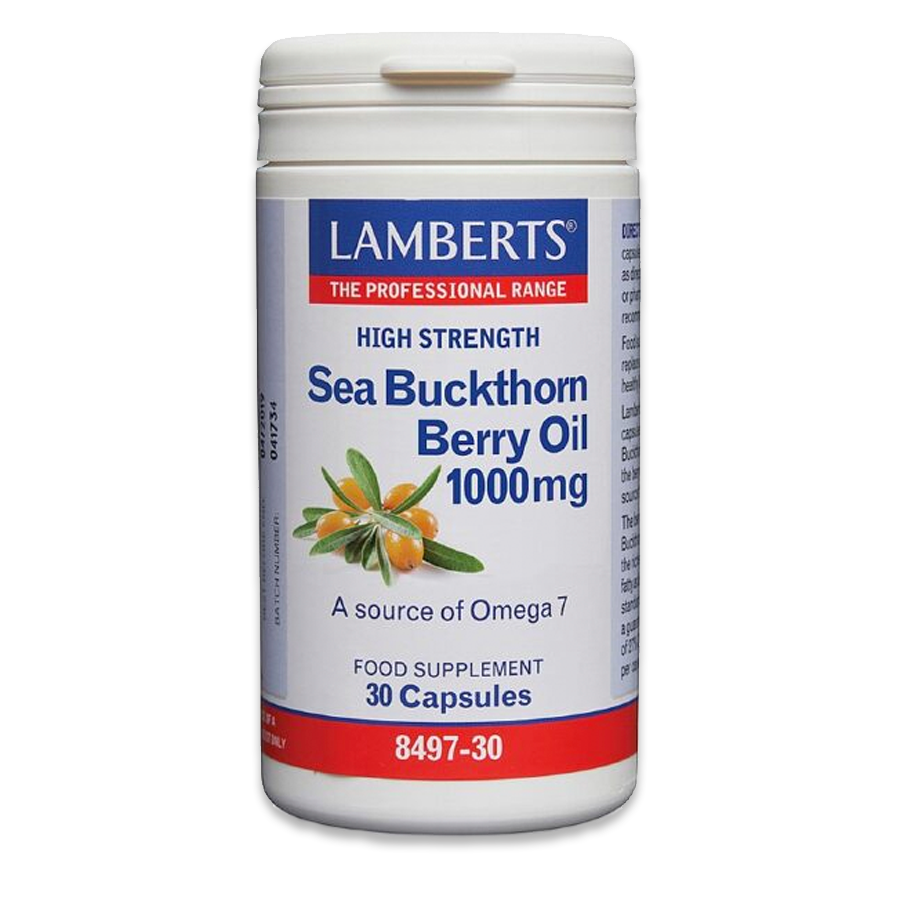
Sea buckthorn oil is pressed from the berries of a shrub grown across Europe and Asia. A 2014 randomised, placebo-controlled trial gave 3g a day to postmenopausal women with vaginal dryness, itching or burning. Of 116 women enrolled, 98 completed the 3 months. Integrity of the vaginal lining improved more than with placebo (odds ratio 3.1, 95% confidence interval 1.11 to 8.95), while a trend towards a better vaginal health index did not reach significance.[28]
A 2024 trial of 40 women over 45 used 500mg a day for 12 weeks and reported improvements in eye and vaginal symptoms, though much of the data was self-reported.[29] The evidence is early and limited, and the doses differed six-fold between the trials.
Pumpkin seed extract
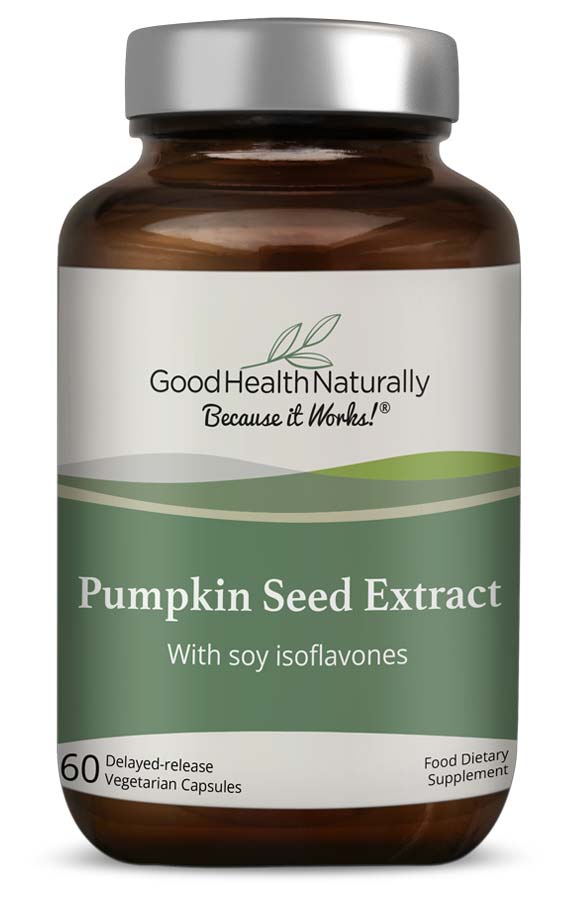
The main trial of pumpkin seed extract tested a combination product, not pumpkin seed alone. According to trade press coverage, it enrolled 120 women aged 35 to 70 with overactive bladder-related voiding problems, who took 1g a day of a pumpkin seed and soy germ blend for 12 weeks. Night-time urination fell by around 30%, and the ingredient manufacturer supported the trial financially.[30] Overactive bladder is a different condition from stress incontinence, for which pelvic floor training remains the best-supported first step.
Where does HRT fit in?
Hormone replacement therapy (HRT) replaces the oestrogen the body no longer makes. The NHS lists its benefits as relief from hot flushes, night sweats, sleep disruption, mood changes and vaginal dryness. It also helps to maintain the oestrogen needed for strong bones, and can help counteract menopausal muscle weakness.[31]
There are risks to weigh. Combined HRT slightly raises breast cancer risk, by around 5 extra cases in every 1,000 women taking it for 5 years, while oestrogen-only HRT carries little or no increased risk. Tablets raise the risk of blood clots, but patches, gels and sprays avoid this.[31] The NHS advises anyone under 60 with menopause symptoms to talk to a GP about whether it suits them.[31] The Royal Osteoporosis Society describes HRT as usually the most appropriate osteoporosis treatment under 50.[12] Our guide to saffron for menopause covers the trial evidence on mood and hot flushes, which is stronger for mood than for hot flushes.
Do menopause supplements work?
The NHS states that there is very little evidence of how well herbal remedies work or how safe they are, and that some may cause serious side effects alongside other medicines.[25] Women’s Health Concern similarly advises that unregulated herbal remedies should not be considered safe.[10] Supplements are not a substitute for medical treatment, and no supplement has been shown to treat or prevent any menopause-related condition. For each one below, the dose used in research and the strength of the evidence are stated.
Magnesium
The NHS gives 270mg a day as the amount needed by women aged 19 to 64, and states that most people can get enough from a varied, balanced diet. Supplements providing 400mg or less a day are unlikely to cause harm, while larger amounts may cause diarrhoea.[32] Good sources include nuts, seeds, wholegrains, pulses and green leafy vegetables.
Magnesium is often taken for sleep (see also why magnesium glycinate helps you sleep). A 2021 meta-analysis of three trials in 151 adults aged 55 and over with insomnia used 320 to 729mg of elemental magnesium daily. Sleep onset took about 17 minutes less than with placebo. The certainty of evidence was low to very low, and the participants were not menopausal women.[33]
Vitamin K
Vitamin K is needed to activate proteins involved in bone formation, including osteocalcin. Whether this reduces fracture risk is less certain. A 2022 meta-analysis of 16 trials (6,425 postmenopausal women) found that lumbar spine bone density improved overall but hip bone density did not. Vitamin K2 alone showed no significant lumbar spine difference, and the benefit appeared alongside other bone treatments.[34]
A 2025 meta-analysis of nine trials (2,570 participants) found no significant effect on bone density or fractures, although bone-related blood markers changed.[35] Most trials used 15mg or 45mg of vitamin K2 a day, far above the microgram amounts in typical supplements. The evidence is therefore mixed.
Maca
Maca is a root vegetable native to the high Andes of Peru, sold as a powder or in capsules. A 2008 trial gave 3.5g a day to 14 postmenopausal women, in a six-week crossover design with a matched placebo period. Scores for anxiety, depression and sexual dysfunction improved compared with placebo, but the trial was very small.[36]
A 2011 systematic review of four trials judged the evidence for menopausal symptoms limited, with safety not established.[37] A 2022 review found doses ranging from 0.6 to 3.5g a day, most often for 12 weeks, with an unclear risk of bias. Research on maca and bone was mostly in animals.[38] Maca is therefore an unproven option for menopausal symptoms.
Frequently asked questions
Is joint pain a sign of the menopause?
It can be. Research suggests muscle and joint pain are reported more often by women in perimenopause and postmenopause than before it. However, joint pain has many causes, so persistent or worsening symptoms deserve a GP assessment.
How can I tell menopausal aches from arthritis?
No self-test is reliable. The NHS notes that stiffness lasting longer than 30 minutes in the morning, and joints that are hot, swollen or tender, can point towards inflammatory arthritis. If you notice either, see a GP.
How can I protect my bones after the menopause?
The NHS advises 700mg of calcium daily, mainly from food, 10 micrograms of vitamin D daily, weight-bearing and resistance exercise, not smoking and limiting alcohol. A GP can discuss whether HRT or other treatments are suitable.
Do menopause supplements work?
The evidence is limited or mixed for most of them. If you want to try one, check that the dose matches what research used, and discuss it with a GP or pharmacist first, particularly if you take other medicines.
Final thoughts
The years after the menopause bring real changes to bone, muscle, heart and bladder health. The best-supported steps are not supplements. They are eating plenty of fibre, fruit and vegetables, getting enough protein, calcium and vitamin D, and staying active, including some strength training. For women with troublesome symptoms, HRT and simple treatments such as vaginal moisturisers are well established and worth discussing with a GP.
References
[1] Menopause Martha. World Menopause Day 2026: Chronic Pain at Midlife (summarising the International Menopause Society theme). https://menomartha.com/health-topic/world-menopause-day-2026/
[2] NHS. Menopause: symptoms. https://www.nhs.uk/conditions/menopause/symptoms/
[3] British Heart Foundation. Menopause and heart and circulatory conditions. https://www.bhf.org.uk/informationsupport/support/women-with-a-heart-condition/menopause-and-heart-disease
[4] Alzheimer’s Research UK. Menopause and dementia risk: what we know so far. https://www.alzheimersresearchuk.org/news/menopause-and-dementia-risk-what-we-know-so-far/
[5] British Nutrition Foundation. Fibre. https://www.nutrition.org.uk/nutritional-information/fibre/
[6] NHS. Why 5 A Day? https://www.nhs.uk/live-well/eat-well/5-a-day/why-5-a-day/
[7] DOI 10.3390/physiologia4030016. Black & Matkin-Hussey. The impact of protein in post-menopausal women on muscle mass and strength: a narrative review. Physiologia 2024;4(3):266-285.
[8] DOI 10.3390/nu13082531. Barańska et al. Effects of soy protein containing isoflavones and isoflavones extract on plasma lipid profile in postmenopausal women: systematic review and meta-analysis of randomized controlled trials. Nutrients 2021;13(8):2531.
[9] DOI 10.3390/jcm11164676. The role of soy isoflavones in the prevention of bone loss in postmenopausal women: a systematic review with meta-analysis of randomized controlled trials. J Clin Med 2022;11(16):4676.
[10] Women’s Health Concern. Complementary and alternative therapies factsheet. November 2025. https://www.womens-health-concern.org/wp-content/uploads/2025/11/03-NEW-WHC-FACTSHEET-Complementary-And-Alternative-Therapies-NOV2025-B.pdf
[11] NHS. Osteoporosis: causes. https://www.nhs.uk/conditions/osteoporosis/causes/
[12] Royal Osteoporosis Society. What’s the menopause got to do with bone health? https://theros.org.uk/blog/2021-03-22-what-s-the-menopause-got-to-do-with-bone-health/
[13] NHS. Calcium. https://www.nhs.uk/conditions/vitamins-and-minerals/calcium/
[14] NHS. Vitamin D. https://www.nhs.uk/conditions/vitamins-and-minerals/vitamin-d/
[15] NHS. Osteoporosis: prevention. https://www.nhs.uk/conditions/osteoporosis/prevention/
[16] PMID 41523660. Kruse C, McKechnie T, Dworsky-Fried J, et al. Musculoskeletal manifestations of perimenopause: a systematic review and meta-analysis of 93,021 women. JBJS Open Access 2026;11(1):e25.00254. DOI 10.2106/JBJS.OA.25.00254
[17] PMID 39077777. Wright VJ, Schwartzman JD, Itinoche R, Wittstein J. The musculoskeletal syndrome of menopause. Climacteric 2024;27(5):466-472. DOI 10.1080/13697137.2024.2380363
[18] NHS. Rheumatoid arthritis: symptoms. https://www.nhs.uk/conditions/rheumatoid-arthritis/symptoms/
[19] NHS. Osteoarthritis: symptoms. https://www.nhs.uk/conditions/osteoarthritis/symptoms/
[20] NHS. Menopause: things you can do. https://www.nhs.uk/conditions/menopause/things-you-can-do/
[21] DOI 10.1016/j.bone.2025.117650. Whitman PW, Alexander CJ, Kaluta L, Burt LA, Gabel L. Does exercising during peri- or early post-menopause prevent bone and muscle loss? A systematic review. Bone 2025;201.
[22] NHS. Fish and shellfish. https://www.nhs.uk/live-well/eat-well/food-types/fish-and-shellfish-nutrition/
[23] NIHR Evidence. Fish oil supplements are ineffective for treating dry eyes (summary of the DREAM trial, N Engl J Med 2018). https://evidence.nihr.ac.uk/alert/fish-oil-supplements-are-ineffective-for-treating-dry-eyes/
[24] StatPearls. Genitourinary syndrome of menopause. https://www.ncbi.nlm.nih.gov/sites/books/NBK559297/
[25] NHS. Menopause: treatment. https://www.nhs.uk/conditions/menopause/treatment/
[26] Perrotta C, Aznar M, Mejia R, Albert X, Ng CW. Oestrogens for preventing recurrent urinary tract infection in postmenopausal women. Cochrane Database Syst Rev 2008, CD005131. https://www.cochrane.org/evidence/CD005131_oestrogens-preventing-recurrent-urinary-tract-infection-postmenopausal-women
[27] NHS. Urinary incontinence: treatment. https://www.nhs.uk/conditions/urinary-incontinence/treatment/
[28] DOI 10.1016/j.maturitas.2014.07.010. Larmo PS, Yang B, Hyssälä J, Kallio HP, Erkkola R. Effects of sea buckthorn oil intake on vaginal atrophy in postmenopausal women: a randomized, double-blind, placebo-controlled study. Maturitas 2014.
[29] DOI 10.1016/j.jff.2023.105973. Chan L-P, Yen T-W, Tseng Y-P, et al. The impact of oral sea-buckthorn oil on skin, blood markers, ocular, and vaginal health: a randomized control trial. J Funct Foods 2024.
[30] NutraIngredients. Extracts from pumpkin seed and soy germ show bladder support potential. 21 May 2014 (trade press report of a trial published in J Funct Foods 2014;8:111-117). https://www.nutraingredients.com/Article/2014/05/21/Extracts-from-pumpkin-seed-and-soy-germ-show-bladder-support-potential/
[31] NHS. Benefits and risks of hormone replacement therapy (HRT). https://www.nhs.uk/medicines/hormone-replacement-therapy-hrt/benefits-and-risks-of-hormone-replacement-therapy-hrt/
[32] NHS. Vitamins and minerals: others (magnesium). https://www.nhs.uk/conditions/vitamins-and-minerals/others/
[33] DOI 10.1186/s12906-021-03297-z. Mah J, Pitre T. Oral magnesium supplementation for insomnia in older adults: a systematic review and meta-analysis. BMC Complement Med Ther 2021;21:125.
[34] DOI 10.3389/fpubh.2022.979649. Wang et al. Vitamin K2 and postmenopausal osteoporosis: systematic review and meta-analysis. Front Public Health 2022.
[35] DOI 10.3389/fendo.2025.1703116. Shi X et al. Vitamin K2 supplementation: meta-analysis of randomised trials. Front Endocrinol 2025.
[36] PMID 18784609. Brooks NA, Wilcox G, et al. Beneficial effects of Lepidium meyenii (maca) on psychological symptoms and measures of sexual dysfunction in postmenopausal women are not related to estrogen or androgen content. Menopause 2008.
[37] Lee MS, Shin BC, Yang EJ, Lim HJ, Ernst E. Maca (Lepidium meyenii) for treatment of menopausal symptoms: a systematic review. Maturitas 2011. https://www.maturitas.org/article/S0378-5122(11)00262-3/abstract
[38] DOI 10.1016/j.phyplu.2022.100326. A systematic review of the versatile effects of the Peruvian maca root (Lepidium meyenii) on sexual dysfunction, menopausal symptoms and related conditions. Phytomedicine Plus 2022.
Our Recommendations
Naturally Healthy News is part of the Good Health Naturally family of brands.
If you’re looking to support healthy bones, Vitamin D3 and K2 Spray provides 25mcg vitamin D3 and 100mcg vitamin K2 per daily serving.
Disclaimer: The information in this article is intended for general informational purposes only and does not constitute medical advice. It is not a substitute for professional medical advice, diagnosis, or treatment. Always seek the advice of your GP or a qualified healthcare provider with any questions you may have regarding a medical condition. Never disregard professional medical advice or delay seeking it because of something you have read here.