
Understanding this connection allows us to take a more compassionate and proactive approach to winter wellbeing. With greater awareness of how stress interacts with immune function, and by practising small daily habits that support internal balance, it becomes possible to navigate the holiday season with improved resilience and vitality.
Why Holiday Stress Often Feels Heavier Than Everyday Stress
Seasonal stress has a distinctive quality and often feels more consuming than the pressures we experience during the rest of the year. Much of ordinary life follows a rhythm that provides stability. December tends to disrupt this rhythm in ways that influence mood, physical health and overall energy.
How Seasonal Routine Disruptions Affect the Body
Social calendars become filled with events and gatherings that leave less space for rest. Sleep patterns shift as late nights become more common, and eating habits often change in ways that include heavier meals or more frequent indulgences. These shifts can affect hormone regulation, digestion and circadian rhythm.
Financial pressure contributes further to seasonal stress. The expectation to purchase gifts, organise celebrations and maintain a festive atmosphere can add emotional strain. When these stressors accumulate, the body produces cortisol more frequently. Cortisol is intended to support the body during short-term challenges, but when elevated over long periods, it can reduce the body’s ability to stay resilient.
The Science Behind Stress and Immune Function
When the body experiences stress, it triggers a protective physiological response that involves the release of cortisol and adrenaline. These hormones help us react quickly to immediate challenges. Although this response is beneficial for short periods, it can create difficulties when activated repeatedly throughout the season.
The Role of Cortisol in Immune Suppression
Prolonged elevation of cortisol can suppress immune activity. It affects lymphocytes, which include T cells and B cells. These cells are vital for identifying harmful microbes and coordinating targeted immune responses. When their activity is reduced, the body becomes less able to respond to winter infections.
How Stress Affects the Gut and the Immune System
Cortisol also influences cytokines, the signalling molecules that regulate immune communication. Continued stress can disrupt the balance between pro-inflammatory and anti-inflammatory cytokines, leading to a less coordinated immune response.
The gut also plays a central role in this relationship. A significant proportion of immune cells reside in the gastrointestinal system, and the gut communicates closely with the brain through the gut-brain axis. Stress can alter gut motility, reduce digestive enzyme activity and disrupt the microbiome. It can also increase intestinal permeability, which may contribute to inflammation. These changes help explain why digestion, mood and immune resilience often shift together during demanding periods.
Signs That Stress May Be Lowering Your Immune Defences
The effects of stress on immunity often develop gradually. Many people notice subtle signs long before illness fully develops. These early indicators are helpful because they show that the body is having a harder time maintaining balance during a busy season.
Physical Indicators to Pay Attention To
Common signs that stress may be affecting immune function include:
- Catching colds more frequently or taking longer to recover
- Feeling unusually tired or experiencing lower energy
- Changes in digestion, such as bloating or irregular bowel habits
- Difficulty sleeping or waking without feeling restored
- A general sense of reduced stamina or resilience
These signs often appear when the nervous system has been under strain for several weeks.
Emotional and Cognitive Signs of Stress Overload
Emotional changes can also indicate that the stress response is active. Feeling overwhelmed, irritable or unusually sensitive is common during periods of prolonged demand. Difficulty concentrating or feeling mentally fatigued may also signal that the body is struggling to maintain equilibrium.
Ways to Support Your Body’s Defences During the Holiday Season
Supporting the body’s defences during a demanding period does not require drastic changes. Gentle, consistent habits often make the biggest difference.
 Calming the Nervous System Through Daily Habits
A simple starting point is supporting the nervous system. Slow breathing, mindful pauses, gentle stretching and short meditation practices all help reduce feelings of stress when performed regularly. These habits encourage a shift towards a calmer physiological state and can help regulate cortisol levels.
Nutrients That Support Immunity
Nutrition is another important area to focus on. Vitamin C contributes to normal immune function and supports antioxidant protection. Peppers, citrus fruits, kiwi and broccoli are rich natural sources. Zinc is also essential for immune cell development and can be found in nuts, seeds, beans and wholegrains. Magnesium supports the normal functioning of the nervous system and psychological wellbeing. Leafy greens, legumes, nuts and seeds provide beneficial amounts.
For winter food inspiration or ideas for nourishing, seasonal meals, our Foods for Winter article explores simple ingredients that naturally support immunity during colder months.
Herbs such as ashwagandha and saffron have also been studied for their ability to support the body’s response to stress, helping promote resilience and calm.
Rest, Movement and Restored Rhythms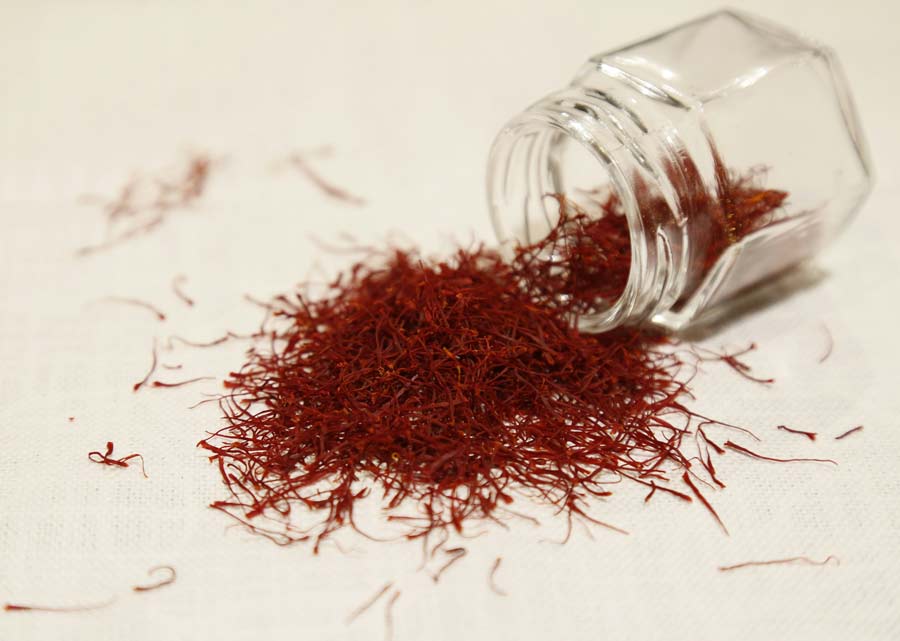
Regular movement improves circulation, lymphatic flow and mood. Gentle activities, such as walking or stretching, can be especially helpful during winter when energy levels may fluctuate. Quality sleep is equally important. Establishing a calming evening routine, reducing screen use at night and maintaining consistent sleep and wake times can help restore balance.
Final Thoughts
Holiday stress does not have to overshadow the positive experiences that the season brings. By understanding how stress influences immune function and adopting gentle, supportive habits, it becomes possible to move through December with greater balance and vitality. Supporting the nervous system, choosing nutrient-rich foods, promoting restful sleep, and creating moments of calm all help strengthen the body’s resilience. These small choices lay a foundation that helps you stay healthier, more energised, and better able to enjoy the meaningful moments of the season.
For a broader perspective, you may find our article The Hidden Toll of Holiday Stress and Immune Health helpful. It offers an additional overview of the relationship between stress and immunity during this time of year.