
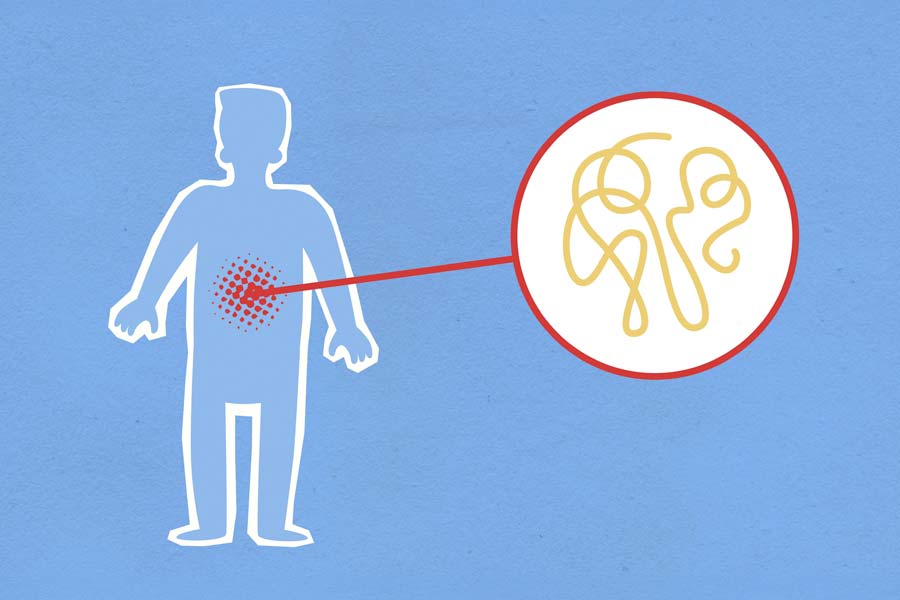
The digestive system plays a central role in more than just nutrient absorption. It also interacts closely with the immune system and plays a role in inflammatory processes in the body.
Researchers are increasingly studying the relationship between gut health and inflammation, particularly with respect to the gut microbiome. This complex community of microorganisms plays an active role in many biological functions and contributes to how the body regulates immune responses.
Understanding how gut health connects with inflammation provides insight into how different systems in the body work together. For a broader overview of inflammation itself, see our guide to chronic inflammation and long-term health.
Quick Summary
- The gut microbiome plays an active role in immune system regulation.
- Research suggests gut microbes may influence inflammatory signalling.
- The intestinal barrier helps control what enters the bloodstream.
- Scientists study how diet, microbes and immune responses interact in the gut.
The Gut Microbiome and Immune Function
A large proportion of the immune system is closely associated with the gut.
The gut microbiome consists of trillions of microorganisms, including bacteria, viruses and fungi, that exist in a dynamic and constantly changing environment. These microbes interact with immune cells located in the intestinal lining and surrounding tissues.
Specialised immune cells in the gut continuously sample microbial signals and dietary components. This allows the body to distinguish between harmless substances and potential threats, helping to maintain immune balance.
Evidence suggests that differences in gut microbiome composition may influence how immune cells behave. This includes cells involved in coordinating inflammatory responses, as well as those that help regulate and resolve immune activity.
The Intestinal Barrier and Immune Activation
The lining of the gut acts as a carefully controlled interface between the external environment and the body.
The intestinal barrier is formed by tightly joined cells (known as epithelial cells), supported by mucus layers and immune components. Its role is to allow nutrients to pass into circulation while limiting the movement of potentially harmful substances.
When this barrier functions effectively, it helps maintain a stable internal environment. Researchers are investigating how changes in barrier integrity may alter immune signalling and contribute to shifts in inflammatory activity.
Much of this research focuses on how microbial balance, dietary factors and host responses interact to support the structure and function of the gut lining.
Microbial Metabolites and Inflammatory Signalling
Compounds produced by gut microbes are an important area of study in immune regulation.
As bacteria in the large intestine break down dietary components, particularly fibre, they generate a range of metabolites. Among the most widely studied are short-chain fatty acids, including butyrate, acetate and propionate.
Research, including reviews published in journals such as Nature Reviews Immunology, has explored how these compounds may interact with immune cells and influence inflammatory pathways. Some findings suggest that these compounds may support regulatory immune cells, which help maintain balance in immune responses.
These findings highlight the complex relationship between diet, microbial activity and immune signalling.
Microbial Diversity and Stability
The variety of microorganisms in the gut is linked to stability within the gut environment.
Rather than focusing on individual species, many researchers examine the overall diversity of the microbiome. A more varied microbial community is often associated with greater adaptability to environmental and dietary changes.
Some studies have explored whether reduced diversity may be linked to changes in immune signalling and inflammatory processes. However, this relationship remains complex and is influenced by multiple factors, including diet, environment and lifestyle.
Understanding how microbial diversity contributes to stability remains an active area of research.
Diet, the Microbiome and Inflammation
Diet is one of the main factors shaping the composition and activity of gut microbes.
The foods consumed provide substrates that influence which microbes thrive and what metabolites they produce. Patterns of eating that include a wide range of plant-based foods have been associated with greater differences in microbial composition and metabolic activity.
In contrast, dietary patterns higher in heavily processed foods may not have such a beneficial influence on microbial activity.
For a broader exploration of how dietary patterns may influence inflammatory processes, see our article on diet and inflammation.
This highlights the importance of viewing gut health, diet and immune function as part of the same interconnected system. The relationship between the gut microbiome and inflammation continues to be an area of active research.
The Gut–Immune Connection in a Wider Context
Communication between the gut and immune system extends beyond digestion.
Signals originating in the gut can influence processes elsewhere in the body. This has led to growing interest in the gut–immune axis, which describes ongoing interactions between the microbiome and immune function.
Current research is exploring how these interactions relate to metabolic regulation and other physiological systems. This reflects a broader shift towards understanding the body as an integrated network rather than a collection of separate parts.
Conclusion
Gut health is an important area of research in the study of inflammation. The gut microbiome, intestinal barrier and microbial metabolites all contribute to how the immune system responds to internal and external signals.
Evidence suggests that these systems may influence inflammatory processes in the body, although researchers continue to investigate how these relationships develop over time and what factors shape them.
Exploring the connection between gut health and inflammation highlights the complexity of the body’s internal systems and the role of the microbiome in maintaining balance.
Further Reading
Short-chain fatty acids and immune regulation (Nature Reviews Immunology)
Diet, microbiome and inflammation (Nutrients)
Recommended Products