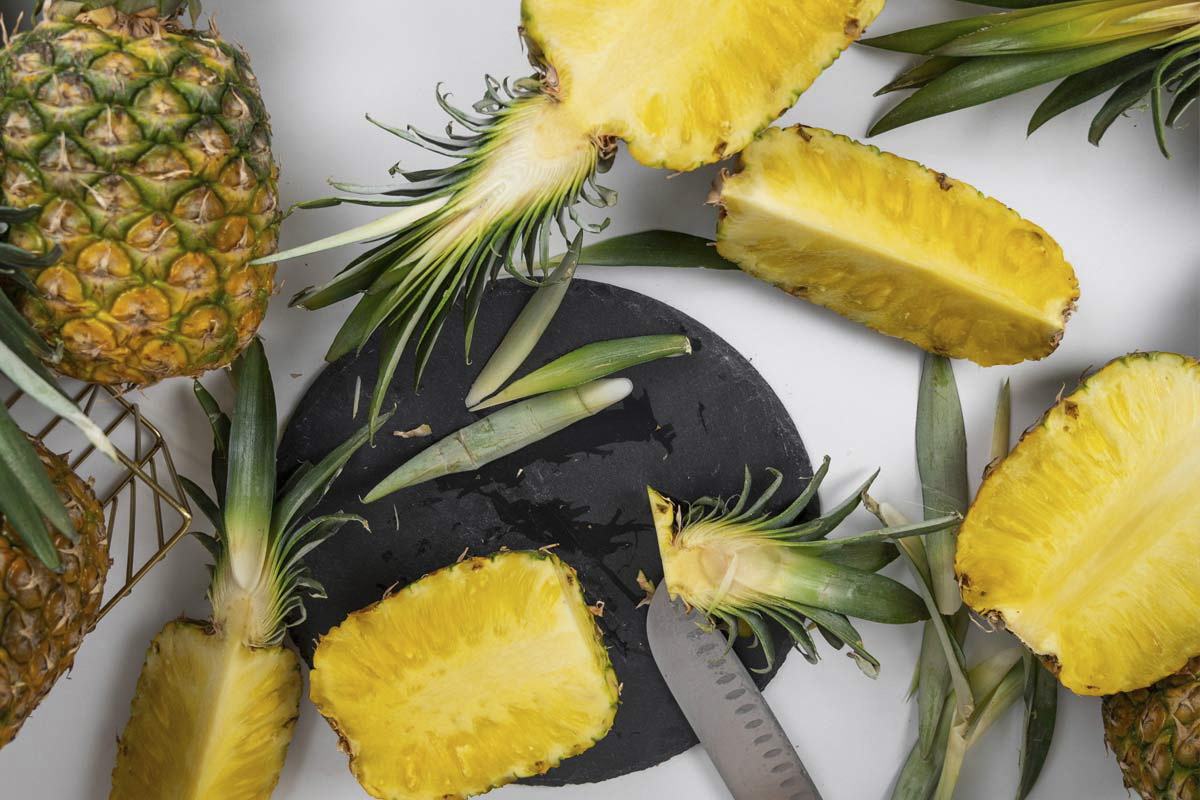
Pineapple is probably best known for its sweet, tropical flavour, but the plant also contains a remarkable group of enzymes that have attracted scientific interest for decades.
Known as bromelain, these natural protein-digesting enzymes have been studied for much more than their role in digestion. Research has explored their influence on inflammation, swelling, discomfort and the body’s response to tissue injury, with encouraging findings from human clinical trials.
So, what makes bromelain so interesting, and what does the science tell us about its potential benefits?
Quick Summary
- Bromelain is a group of protein-digesting enzymes obtained from the pineapple plant.
- Its ability to break down proteins explains its longstanding use as a digestive enzyme.
- Research has identified effects on inflammatory processes, with some human studies reporting changes in inflammatory markers.
- Clinical trials have found benefits for certain types of postoperative pain and swelling, particularly following dental surgery.
- Enzyme activity is an important consideration when comparing bromelain supplements.
What Exactly Is Bromelain?
Bromelain is a mixture of proteolytic enzymes, meaning enzymes that break proteins into smaller components. It occurs naturally in pineapple fruit and stems, although supplements generally use bromelain extracted from the stem.
Its protein-breaking properties have long been recognised. Bromelain is used commercially to tenderise meat, and the same activity explains why fresh pineapple can sometimes produce a tingling sensation in the mouth.
In the digestive system, proteolytic enzymes help break dietary proteins into smaller peptides and amino acids. Bromelain performs this same protein-digesting function, which explains its longstanding interest as a digestive enzyme supplement.
For more on how different enzymes work together during digestion, explore our guide to digestive enzymes and their functions.
However, digestion is only part of the story. Bromelain also interacts with several biological processes involved in inflammation and tissue responses.
Bromelain and Inflammation: Why the Interest?
Inflammation is an essential part of the body’s natural defence and repair system. When tissues become injured or irritated, the immune system releases chemical messengers that help coordinate the response.
This process can cause swelling, warmth, redness and discomfort. Although inflammation is necessary for healing, an excessive or prolonged response can contribute to ongoing symptoms and tissue damage.
Bromelain has demonstrated anti-inflammatory activity in experimental research. Studies suggest it can influence inflammatory signalling molecules, immune-cell behaviour and pathways involved in regulating the inflammatory response.
One of these pathways is known as NF-κB, which helps control the production of proteins involved in inflammation. Bromelain has been shown to influence this signalling pathway in laboratory studies, providing a possible explanation for some of its observed effects.
Importantly, interest in bromelain is not based solely on laboratory findings. Human clinical research has also investigated its effects on inflammatory markers, pain and swelling.
A 2023 systematic review examined seven randomised controlled trials investigating bromelain supplementation and inflammatory parameters. Several studies reported reductions in selected inflammatory measurements, including some involving bromelain alone and others using combination preparations. However, the overall findings were inconsistent across different populations, doses and outcomes.
These results provide a useful foundation for further research into bromelain’s influence on inflammatory activity. For a broader explanation of how inflammation works, including the distinction between short-term and persistent inflammation, read our article on chronic inflammation and long-term health.
What Have Human Studies Found?
Some of the most compelling clinical research has examined bromelain following dental surgery, particularly wisdom tooth extraction.
These procedures produce a predictable inflammatory response involving pain, swelling and temporary difficulty opening the mouth. This makes them useful for investigating whether a supplement can influence recovery-related symptoms.
A 2019 meta-analysis of six randomised controlled trials found that oral bromelain reduced facial swelling during both the early and later stages of recovery. Pain was also significantly lower after seven days, although the analysis did not find a clear improvement in jaw-opening difficulties.
Another systematic review, published in 2023, examined 54 studies involving bromelain. Its analysis found a small but statistically significant improvement in pain with oral supplementation compared with controls.
More recently, a 2024 randomised clinical study involving 42 participants compared purified bromelain, a bromelain-containing pineapple extract and a placebo following wisdom tooth surgery. The researchers examined pain, swelling, jaw movement, quality of life and the need for additional anti-inflammatory medication.
Together, these studies provide encouraging evidence that bromelain can influence certain symptoms associated with postoperative recovery. The findings are particularly interesting because they involve measurable outcomes in people, rather than laboratory observations alone.
What About Joint Discomfort?
Bromelain has also been investigated in musculoskeletal conditions, including osteoarthritis.
Some studies have reported improvements in pain and physical function, particularly with combinations of proteolytic enzymes. These findings have helped stimulate interest in bromelain as part of broader research into inflammation-related joint discomfort.
Because several studies used combination preparations, the contribution of bromelain itself is not always clear. The evidence is encouraging, although less established than its research into postoperative pain.
Can Bromelain Work Beyond the Digestive System?
One of the most interesting discoveries about bromelain is that its activity may not be confined entirely to the digestive tract.
Researchers have investigated whether bromelain can be absorbed following oral supplementation. Studies have detected bromelain with retained protein-digesting activity in the blood, suggesting that at least some active enzyme can survive digestion and enter the circulation.
This is an important finding because it offers a possible explanation for how orally consumed bromelain could influence biological processes beyond protein digestion.
The amount absorbed and its relationship to particular clinical effects remain areas of investigation, but these findings have contributed to scientific interest in bromelain’s systemic activity.
Why Enzyme Activity Matters
When comparing bromelain supplements, the amount in milligrams doesn’t tell the whole story.
Bromelain is an enzyme, so its strength can also be described in terms of its ability to break down proteins under standardised laboratory conditions.
Manufacturers may express this using activity measurements such as GDU (gelatin digesting units) or DU (digesting units).
Two supplements containing the same weight of bromelain can have different enzyme activities. Looking at both the milligram amount and the declared activity therefore provides a more useful picture of the preparation.
Different activity units cannot necessarily be compared directly, and greater laboratory activity doesn’t automatically guarantee better clinical results. The formulation and evidence behind a product also matter.
What Should You Know Before Taking Bromelain?
Bromelain has generally been well tolerated in clinical studies. Reported side effects include nausea, digestive discomfort and occasional headaches.
People with pineapple allergies should avoid bromelain, while anyone taking anticoagulant or antiplatelet medicines should seek professional advice because of possible interactions involving blood clotting.
Bromelain should also be discussed with the surgical team before use around a planned operation. These precautions are particularly important because the biological effects that make bromelain interesting may also influence how it interacts with certain medicines.
Frequently Asked Questions
Is bromelain only found in pineapple?
Yes. Bromelain refers to a group of enzymes obtained from the pineapple plant. Both the fruit and stem contain proteolytic enzymes, although supplements generally use stem-derived extracts.
Can eating pineapple provide the same benefits?
Fresh pineapple contains bromelain, but the amount and enzyme activity vary. Clinical research generally uses measured or standardised preparations, making it difficult to compare the results directly with eating pineapple.
Is bromelain an anti-inflammatory enzyme?
Bromelain has demonstrated anti-inflammatory activity in experimental studies, while human trials have reported improvements in certain inflammation-related outcomes, particularly postoperative discomfort. Research is continuing into its potential applications in other conditions.
Final Thoughts
Bromelain is a fascinating example of how a familiar food plant can provide compounds with activities extending well beyond nutrition.
Its protein-digesting properties are well established, while clinical research has demonstrated encouraging effects on postoperative pain and aspects of recovery. Studies investigating inflammatory pathways and immune responses have also helped explain why bromelain continues to attract scientific attention.
Although some applications are better supported than others, bromelain has a substantial research history and an increasingly interesting evidence base. It is certainly an enzyme worth knowing more about.
Learning Hub
References
- Leelakanok N, et al. (2023). Efficacy and safety of bromelain: A systematic review and meta-analysis. Nutrition and Health, 29(3), 479–503. View study.
- Pereira IC, et al. (2023). Bromelain supplementation and inflammatory markers: A systematic review of clinical trials. Clinical Nutrition ESPEN, 55, 116–127. View study.
- Oral Bromelain for the Control of Facial Swelling, Trismus, and Pain After Mandibular Third Molar Surgery: A Systematic Review and Meta-Analysis. (2019). Journal of Oral and Maxillofacial Surgery, 77(8), 1566–1574. View study.
- Is bromelain an effective drug for the control of pain and inflammation associated with impacted third molar surgery? Systematic review and meta-analysis. (2018). View study.
- An Evaluation of the Effects of Pineapple-Extract and Bromelain-Based Treatment after Mandibular Third Molar Surgery: A Randomized Three-Arm Clinical Study. (2024). View study.
Our recommendations
Naturally Healthy News is part of the Good Health Naturally family of brands.
If you’re interested in bromelain, Enzyme & Botanical Complex™ from Good Health Naturally combines bromelain with Meriva® Curcumin and Ecklonia cava in a carefully formulated supplement.