

By Lindsay Powers | Nutritional Therapist & Health Writer, Naturally Healthy News
Published: July 2026 | Last reviewed: July 2026
It’s easy to assume that once summer arrives, vitamin D takes care of itself. Longer days, warmer weather, and more time outdoors seem like the perfect recipe for healthy levels. Yet research suggests this assumption doesn’t hold up nearly as well as most people think.
A 2026 study from Newcastle University tested vitamin D status in nearly 300 people across northern Britain and found that levels remained low in higher-risk groups even after the summer months. Almost 55% of adults aged 65 and over, and more than 72% of adults with darker skin, still had insufficient vitamin D despite the increase in daylight.
This matters because vitamin D3 plays a far bigger role in the body than most people realise, supporting bone strength, muscle function, and a healthy immune response. If you’ve been assuming summer sunshine has you covered, it’s worth taking a closer look.
Quick Summary
- Sunlight exposure in summer does not guarantee healthy vitamin D3 levels, especially for people at higher risk
- Sunscreen use, time spent indoors, age, and skin tone all affect how much vitamin D3 the body can make
- The NHS recommends a baseline daily intake of 10 micrograms (400 IU), with year-round supplementation advised for at-risk groups
- Vitamin D3 (cholecalciferol) raises and sustains blood levels more effectively than vitamin D2 (ergocalciferol)
- Vitamin D3 supports bone health, muscle function, and healthy immune responses
The Summer Vitamin D Myth: Why Sunlight Isn’t Enough
The assumption that summer sunlight automatically restores vitamin D levels is one of the most persistent myths in nutrition. The Newcastle University research, published in 2026, directly challenges this. Researchers found that vitamin D insufficiency remained common in older adults and people from minoritised ethnic backgrounds throughout the year, with little meaningful change between winter and summer measurements. [1]
Several factors explain this. Sunscreen use is one of the biggest. A randomised controlled trial known as the Sun-D Trial found that people who applied SPF 50+ sunscreen regularly through the UV season were at greater risk of vitamin D deficiency by the end of the study, regardless of region or overall sun exposure. [2] This creates a genuine dilemma, since sunscreen remains essential for reducing skin cancer risk.
A study of children and adolescents in Greece, a country with abundant year-round sunshine, found that 66.2% still had low vitamin D levels, with sunscreen use closely linked to serum vitamin D concentrations even during the sunniest months. [3] If deficiency is common in a Mediterranean climate, the risk in the UK, where UVB exposure is weaker and less consistent, is considerably higher.
Who Is Most at Risk During the Summer Months
Vitamin D3 risk isn’t distributed evenly across the population. Some groups are far more likely to remain deficient even when the sun is out.
- Older adults: skin becomes less efficient at producing vitamin D with age, and older adults often spend less time outdoors. [1]
- People with darker skin: melanin provides natural UV protection but also reduces the skin’s ability to synthesise vitamin D, meaning more sun exposure is needed to produce the same amount. [1]
- People with a higher body weight: a longitudinal study following adults through two consecutive summers found that body fat percentage was one of the strongest predictors of suboptimal vitamin D status, even after sun exposure had increased. [4]
- Regular sunscreen users: essential for skin protection, but shown to blunt vitamin D synthesis over a full UV season. [2]
- Indoor workers and those who cover their skin: reduced skin exposure to UVB limits natural production regardless of the season.
Signs of Vitamin D3 Deficiency
Vitamin D3 deficiency often develops gradually, and many people don’t connect the symptoms to their vitamin D status. Common signs include:
- Persistent fatigue or low energy
- Bone or muscle aches, particularly in the lower back and legs
- Low mood
- Frequent colds or infections
- Hair thinning
- Slow wound healing
These symptoms are non-specific and can overlap with many other conditions, so a blood test measuring serum 25-hydroxyvitamin D is the only reliable way to confirm a deficiency.
How Much Vitamin D3 Do You Need?
The NHS recommends a baseline intake of 10 micrograms (400 IU) of vitamin D per day for most adults and children over the age of four. Between April and September, people with regular, unprotected sun exposure may get enough through sunlight and diet alone and can choose not to supplement. However, anyone in a higher-risk group, including people with darker skin, those who cover their skin, older adults, and people who spend most of their time indoors, is advised to take a 10 microgram supplement throughout the year, summer included. [5]
Not all vitamin D supplements are equal. Vitamin D3 (cholecalciferol) is derived from an animal or lichen source, while vitamin D2 (ergocalciferol) comes from fungi. Research comparing the two consistently shows that D3 raises and sustains blood levels of 25-hydroxyvitamin D more effectively than D2, with one trial finding that levels continued rising in the D3 group for two weeks after dosing, while the D2 group’s levels fell back to baseline within the same period. [6] A later meta-analysis confirmed this pattern across a wider body of research, making D3 the preferred form for supplementation. [7]
The safe upper limit for adults is 100 micrograms (4,000 IU) per day from supplements; higher doses should only be taken under medical guidance.
Food Sources of Vitamin D3
Vitamin D3 is naturally present in relatively few foods, which is part of why deficiency is so widespread. Useful dietary sources include:
- Oily fish such as salmon, mackerel, and sardines
- Egg yolks
- Red meat
- Fortified foods, including some cereals and dairy or plant-based milk alternatives
Because it’s genuinely difficult to meet daily requirements through diet alone, food should be treated as a helpful contributor to vitamin D status rather than a standalone strategy.
Vitamin D3 and Immune Health
Vitamin D3 has a well-documented role in immune regulation. A large individual participant data meta-analysis of randomised controlled trials, published in the BMJ, found that vitamin D supplementation had a protective effect against acute respiratory infections overall, with the greatest benefit seen in people who were most deficient to begin with and those taking smaller, more frequent doses rather than large infrequent ones. [8] This is a useful reminder that consistency matters more than occasional high-dose supplementation.
Practical Tips to Support Healthy Vitamin D3 Levels This Summer
- Get short, unprotected sun exposure first: a brief period in the sun before applying sunscreen (around 10-15 minutes for fair skin, longer for darker skin tones) can support natural synthesis without significantly increasing burn risk. Always apply sunscreen before prolonged exposure.
- Take supplements with a meal containing fat: vitamin D is fat-soluble, and absorption improves when taken alongside a meal that includes some dietary fat.
- Don’t assume summer means you’re covered: if you fall into a higher-risk group, continue supplementing through the summer months.
- Ask for a blood test if you’re concerned: a simple serum 25-hydroxyvitamin D test can confirm whether your levels are adequate, insufficient, or deficient.
Final Thoughts: Don’t Let Summer Give You a False Sense of Security
Vitamin D3 is too important for bone health, muscle function, mood, and immune support to leave to assumption. Summer sunshine helps, but it isn’t a guarantee, particularly for older adults, people with darker skin, those carrying excess weight, and anyone who wears sunscreen regularly. Understanding your personal risk factors, eating vitamin D-rich foods where possible, and supplementing sensibly throughout the year gives your body a far more reliable foundation than sunlight alone.
Frequently Asked Questions
Do I still need a vitamin D supplement in summer?
It depends on your individual risk factors. People with regular, unprotected sun exposure between April and September may get enough vitamin D from sunlight and diet. However, older adults, people with darker skin, those who cover their skin, regular sunscreen users, and people who spend most of their time indoors are advised to continue supplementing year-round.
How much vitamin D3 should I take daily?
The NHS recommends 10 micrograms (400 IU) daily for most adults. The safe upper limit from supplements is 100 micrograms (4,000 IU) per day; higher doses should only be taken under professional guidance.
Can I get enough vitamin D from sunlight alone?
For some people, yes, particularly during peak summer months with regular unprotected exposure. However, sunscreen use, time spent indoors, age, skin tone, and body composition all reduce how efficiently the body produces vitamin D, meaning many people don’t get enough from sunlight alone even in summer.
Is vitamin D3 better than vitamin D2?
Research consistently shows that vitamin D3 (cholecalciferol) raises and maintains blood vitamin D levels more effectively than vitamin D2 (ergocalciferol), making it the preferred form for supplementation.
References
[1] ScienceDaily / Newcastle University, Human Nutrition and Exercise Research Centre — Study Challenges a Common Belief About Vitamin D and Sunlight (2026): https://www.sciencedaily.com/releases/2026/06/260623083104.htm
[2] PubMed 40927943 — Effect of Daily Sunscreen Application on Vitamin D: Findings from the Open-Label Randomized Controlled Sun-D Trial: https://pubmed.ncbi.nlm.nih.gov/40927943/
[3] PMC7914486 — Vitamin D Status in Children in Greece and Its Relationship with Sunscreen Application: https://www.ncbi.nlm.nih.gov/pmc/articles/PMC7914486/
[4] PMC6421780 — Changes in Vitamin D Status in Overweight Middle-Aged Adults With or Without Impaired Glucose Metabolism in Two Consecutive Nordic Summers: https://www.ncbi.nlm.nih.gov/pmc/articles/PMC6421780/
[5] NHS — Vitamin D: https://www.nhs.uk/conditions/vitamins-and-minerals/vitamin-d/
[6] PubMed 15531486 — Vitamin D2 Is Much Less Effective Than Vitamin D3 in Humans (J Clin Endocrinol Metab, 2004): https://pubmed.ncbi.nlm.nih.gov/15531486/
[7] PMC8538717 — Relative Efficacy of Vitamin D2 and Vitamin D3 in Improving Vitamin D Status: Systematic Review and Meta-Analysis: https://www.ncbi.nlm.nih.gov/pmc/articles/PMC8538717/
[8] PubMed 30675873 — Vitamin D Supplementation to Prevent Acute Respiratory Infections: Individual Participant Data Meta-Analysis (BMJ, 2017): https://pubmed.ncbi.nlm.nih.gov/30675873/
Disclaimer: The information in this article is intended for general informational purposes only and does not constitute medical advice. It is not a substitute for professional medical advice, diagnosis, or treatment. Always seek the advice of your GP or a qualified healthcare provider with any questions you may have regarding a medical condition. Never disregard professional medical advice or delay seeking it because of something you have read here.
Our Recommendations
Naturally Healthy News is part of the Good Health Naturally family of brands.
If you’re looking to support your vitamin D3 levels through the summer, especially if you fall into a higher-risk group, a high-quality vitamin D3 supplement can help fill the gap that sunlight and diet may not cover.
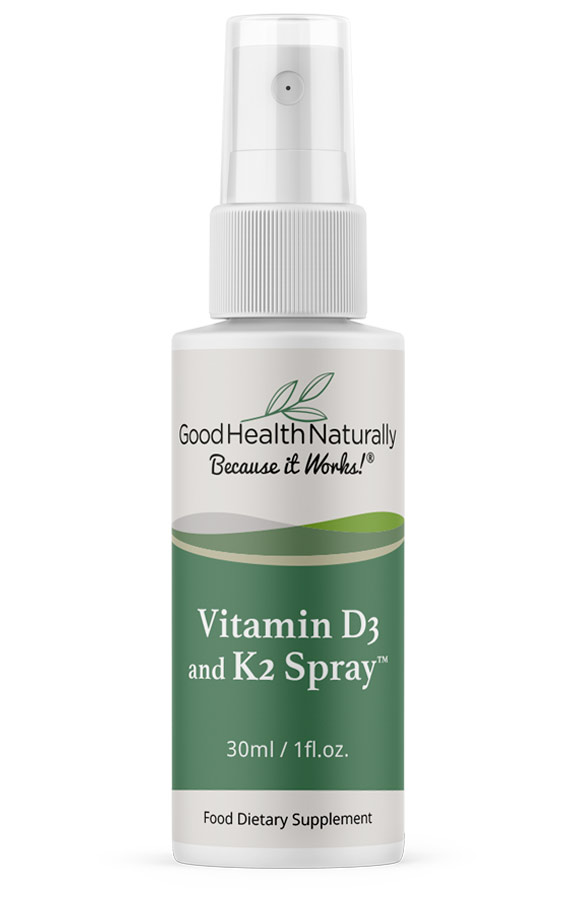
Vitamin D3 and K2 Spray™
Combines vitamins D3 and K2 in a convenient oral spray.
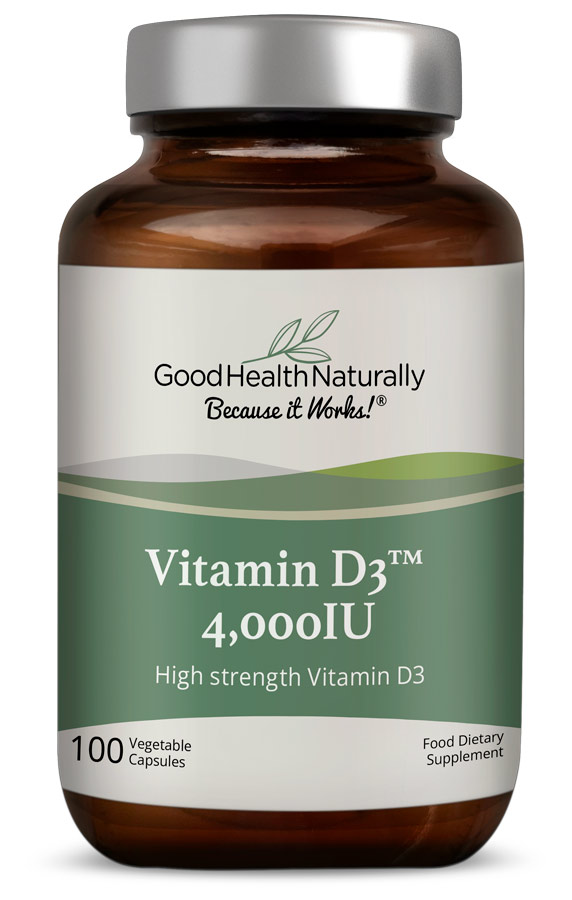
Vitamin D3 4000iu
A high strength blend of vitamin D3 (4000 IU) and calcium with trace minerals.