

As the temperatures drop and daylight hours shorten, we often start craving warming, comfort foods. But instead of reaching for stodgy snacks, we should see it as the perfect opportunity to eat nourishing, seasonal foods. There are plenty of winter superfoods which thrive in the colder months. From vibrant root vegetables to citrus fruits and omega-rich oily fish and nuts, they are not only delicious and versatile, but also help support our immune systems, lift our mood, and increase energy levels during the challenging winter months.
Here are 10 nutrient-packed winter superfoods that deserve a place on your plate.
1. Dark Leafy Greens: Nature’s Winter Detox
Winter greens, such as kale, Swiss chard, and spinach, are at their best during the colder months. Rich in iron, calcium, magnesium, fibre and phytonutrients, they help cleanse the body and strengthen immunity. Their folate content supports energy and brain function, while vitamin K contributes to bone health. Kale and collards are also high in antioxidants like lutein and zeaxanthin, which support eye health during darker months.
If you’re choosing leafy greens regularly during winter, it can also be helpful to know which produce carries the highest pesticide levels each year. Our Dirty Dozen 2025 guide offers practical advice on which fruits and vegetables are most affected and how to shop smarter.
How to enjoy them:
Sauté kale or Swiss chard with garlic and olive oil as a side dish, or add spinach to soups and stews for an easy nutrient boost.
 2. Root Vegetables: Comfort Food with a Purpose
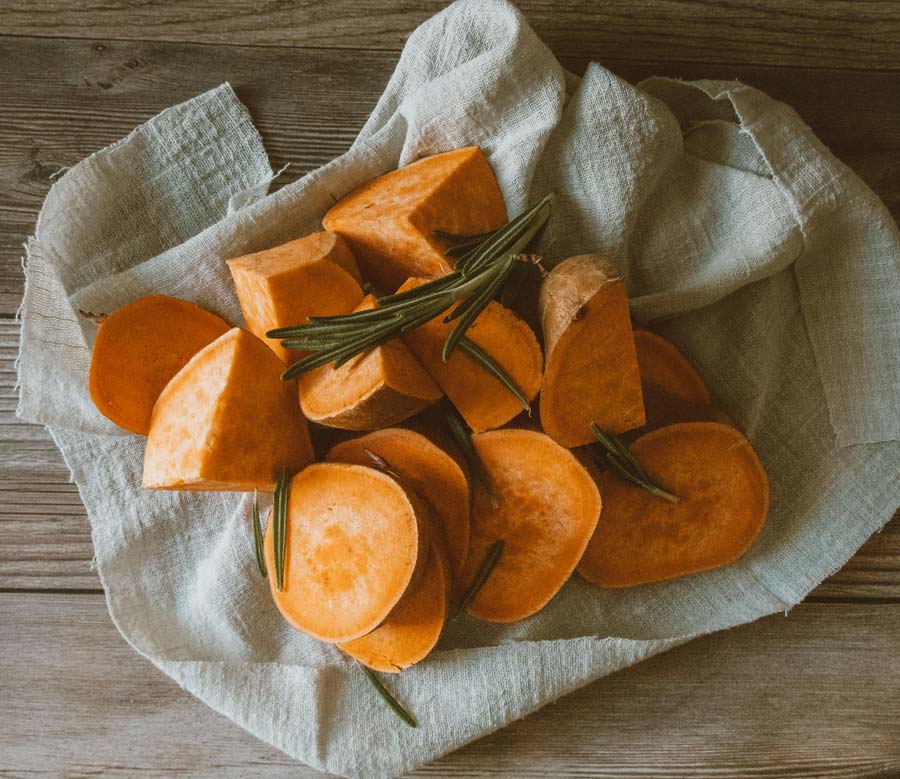
Sweet potatoes, carrots, beetroot, turnips, and parsnips are all true winter comfort foods. Hearty, naturally sweet and packed with complex carbohydrates which provide steady energy during the colder, darker months. Root vegetables are loaded with beta-carotene for immune support and skin health, plus fibre to aid digestion and regulate blood sugar. They help keep you feeling full and satisfied, reducing cravings for less healthy winter snacks.
How to enjoy them:
Try roasting a mix of colourful roots with rosemary, olive oil, and sea salt, or blend roasted carrots and ginger into a warming, immune-boosting soup.
3. Cruciferous Vegetables: Winter Detox Warriors
Broccoli, Brussels sprouts, cauliflower, and cabbage belong to the cruciferous family, and these cold-weather crops are nutritional powerhouses. They contain sulforaphane and indole-3-carbinol, compounds known to support liver detoxification and reduce inflammation. They are also packed full of vitamin C, folate and fibre. Regular consumption has been linked to lower risks of chronic diseases, including certain cancers and cardiovascular disease.
How to enjoy them:
Try roasting Brussels sprouts until caramelised, making cauliflower mash as a healthier alternative to potatoes, or adding shredded cabbage to soups and stir-fries for extra crunch and nutrition.
4 Mushrooms: Immune-Supporting All-Stars
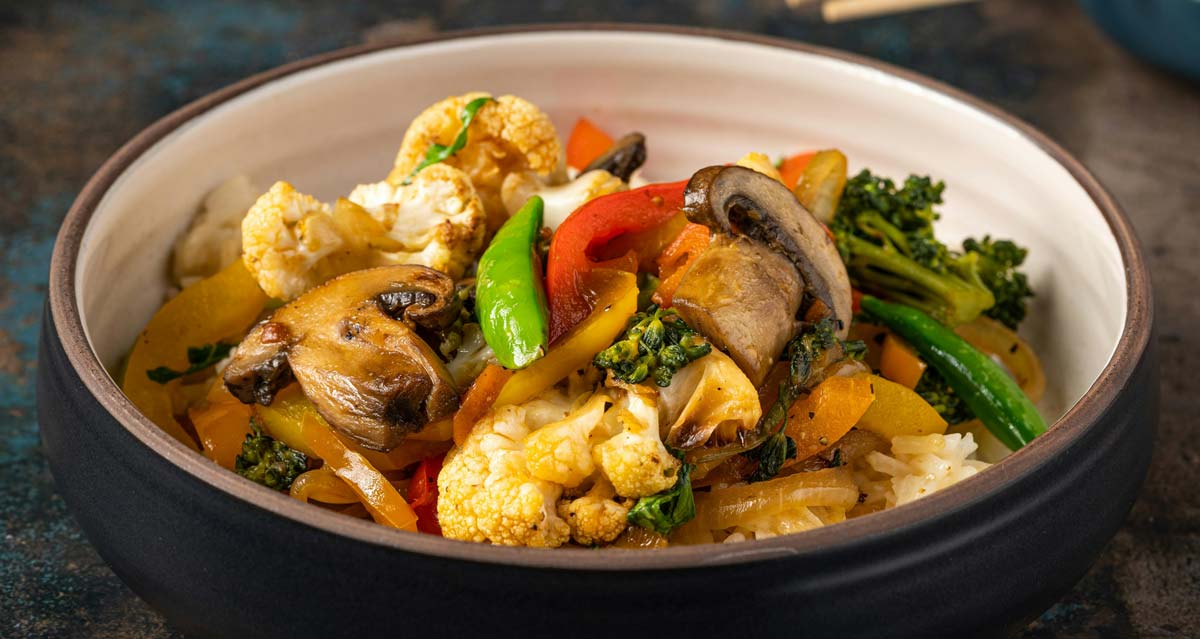
Beyond their rich, savoury flavour, many varieties of mushrooms are packed with immune-enhancing compounds which help keep our bodies strong through the colder months. Shiitake, maitake, reishi and oyster mushrooms contain beta-glucans, which stimulate white blood cell activity and strengthen the immune response. They are also a surprising source of vitamin D, which is especially valuable in winter when sunlight exposure is low.
How to enjoy them:
Add sliced mushrooms to stir-fries, soups and stews, or roast them with garlic and thyme for a delicious side dish. You can even enjoy powdered mushrooms like reishi or chaga in a warming tea or coffee to support your immune system.
5. Oily Fish: Omega-3s for the Winter Blues
During the winter, less sunlight can lead to seasonal mood dips. Oily fish, such as salmon, sardines, mackerel, and trout, are rich in omega-3 fatty acids, which can help support a healthy mood. It is theorised that omega-3s can readily travel through the brain cell membrane and interact with mood-related molecules inside the brain. They also have anti-inflammatory properties, which support heart health and may enhance immune function.
How to enjoy them:
Try grilling or baking salmon with lemon and herbs for a delicious and healthy dish. Why not add anchovies to give depth to tomato sauces?
6. Nuts and Seeds: Nature’s Energy Boosters
When it’s cold, our bodies naturally crave more calories and healthy fats. Almonds, walnuts, chia seeds and flaxseeds provide nutrient-dense sources of omega-3s, magnesium and antioxidants. They help stabilise blood sugar, support heart and brain health and keep our skin hydrated and glowing even in dry, cold air.
How to enjoy them:
Sprinkle chia or flaxseeds into your morning porridge or smoothie, or snack on a small handful of nuts for lasting energy.
7. Fermented Foods: Gut Health for Immunity
A healthy gut is the foundation of a strong immune system, which is especially important in winter. Fermented foods like kimchi, sauerkraut, kefir and yoghurt are rich in probiotics that help maintain a healthy microbiome. Don’t forget that up to 70% of the immune system resides in the gut. Probiotic-rich foods help balance gut bacteria and enhance immune defence, while also supporting digestion and even boosting mood through the gut–brain axis. You can dive deeper into this connection in our article on why digestive health is essential for overall wellbeing.
How to enjoy them:
Add a spoonful of sauerkraut as a side to your meal, drink kefir in the morning or opt for plain Greek yoghurt topped with winter fruits and nuts.
8. Garlic and Ginger: Nature’s Winter Medicine Cabinet
Few foods are as potent as garlic and ginger in winter. These kitchen staples offer both culinary warmth and medicinal benefits. Garlic’s allicin has antiviral and antibacterial properties, while ginger aids digestion and circulation, and helps fend off colds and sore throats. Both can help reduce inflammation and support cardiovascular health.
How to enjoy them:
Add fresh garlic and ginger to soups and stir-fries for added flavour. For a winter tonic, steep sliced ginger with lemon and honey in hot water to create a soothing, aromatic, and immune-boosting drink.
 9. Pomegranates: The Antioxidant Jewel of Winter
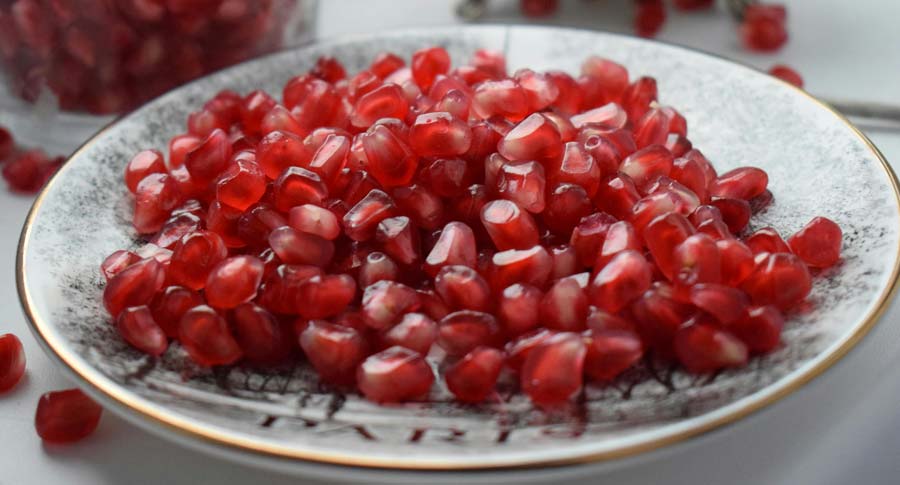
Often called ‘the jewel of winter,’ pomegranates certainly live up to this grand title. Their ruby-red seeds are rich in polyphenols and antioxidants, which fight oxidative stress and inflammation. Both pomegranate juice and the seeds have been linked to improved heart health, better blood flow, and lower oxidative damage.
How to enjoy them:
Use the seeds to add colour, crunch and a burst of tart sweetness to winter dishes. Sprinkle them onto oatmeal, yoghurt or salads for a vibrant, antioxidant boost.
10. Citrus Fruits: Your Winter Vitamin C Shield
Satsumas, grapefruit and other citrus fruits are in peak season during the colder months. They are bursting with vitamin C, which helps the immune system fight off seasonal infections like colds and flu. The flavonoids in citrus fruits, like hesperidin, support cardiovascular health and may help reduce inflammation.
How to enjoy them:
Why not add orange segments to winter salads? Toss them with spinach, avocado and walnuts for an interesting twist.
Eating Seasonally for Winter Wellness
Winter superfoods offer the perfect balance of warming nutrients, antioxidants, healthy fats and fibre to help keep your energy, mood and immunity steady through the colder months. Eating seasonally not only brings more flavour and freshness to your meals but also ensures your body gets the nutrients it naturally craves at this time of year. Focusing on nourishing foods can make a noticeable difference to your resilience, digestion and overall wellbeing during winter.
While food should always be the foundation of winter wellness, some people also choose to support their routine with simple supplements during the colder months. Vitamin D, omega-3s and probiotics are among the most commonly chosen options for winter, especially when sunlight is limited and diets can become less varied. Always choose high-quality formulas and speak to a healthcare professional if you’re unsure which options may suit your needs.
If you’d like to explore more ways that food can support mental wellbeing and stress resilience through the darker months, take a look at our blog on top stress-relieving foods for a happier mind.